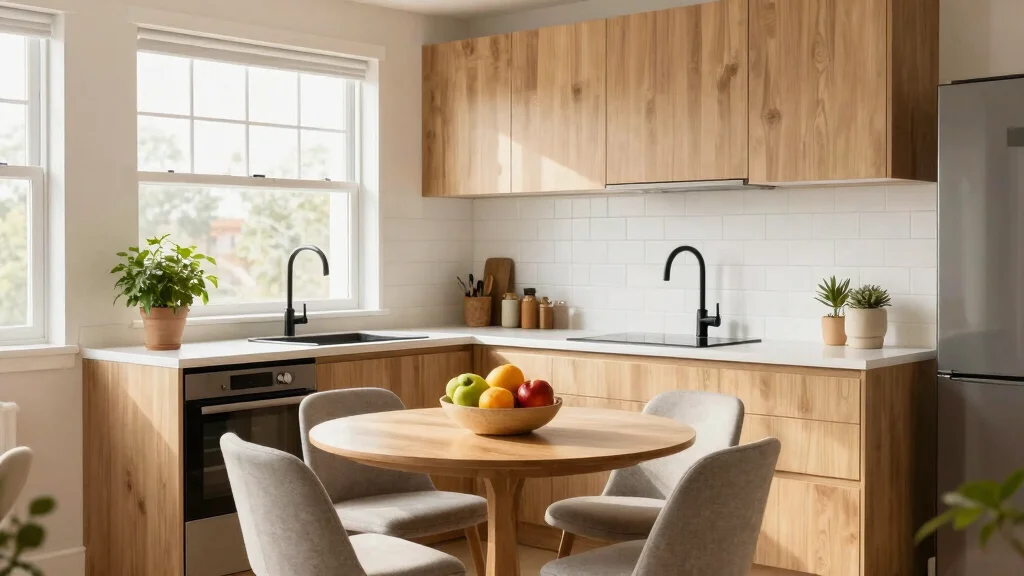
We all know that small spaces can put a damper on your kitchen dreams. This post is born from my own quest to find the best small house kitchen ideas that make the most of limited square footage. The struggle is real when it comes to creating a stylish and functional kitchen without sacrificing essential features. I want to share these ideas with you so that you can embrace the charm of your compact space and transform it into a culinary haven.
If you’re someone who cherishes cooking and hosting, yet finds yourself navigating a tiny kitchen, you’re not alone. You care about clever design solutions that maximize functionality while keeping your style intact. Whether you’re a seasoned chef or a newbie in the kitchen, this guide is tailored for you. It’s filled with smart layouts and innovative designs that will help you utilize every inch of your small kitchen effectively.
In this post, you’ll discover twelve creative ideas that are both practical and on-trend. From open shelving that showcases your favorite dishes to multi-functional islands, these concepts will inspire you to rethink your space. You’ll learn how to incorporate effective kitchen organization, space-saving solutions, and beautiful decor that combines form and function. Let’s dive into these small house kitchen ideas that will elevate your cooking space and make your culinary experiences delightful.
Key Takeaways
– Incorporate open shelving to display your favorite items while keeping them accessible, enhancing both style and functionality.
– Consider a multi-functional island that offers extra counter space, storage, and even dining options for a seamless kitchen experience.
– Opt for compact appliances that fit your needs without crowding your space, ensuring you have everything necessary without feeling cramped.
– Utilize creative storage solutions like pull-out cabinets and hidden compartments to keep your kitchen organized and clutter-free.
– Embrace a minimalistic approach to decor, allowing your kitchen’s features to shine while creating an inviting atmosphere.
1. Open Shelving for Display and Accessibility
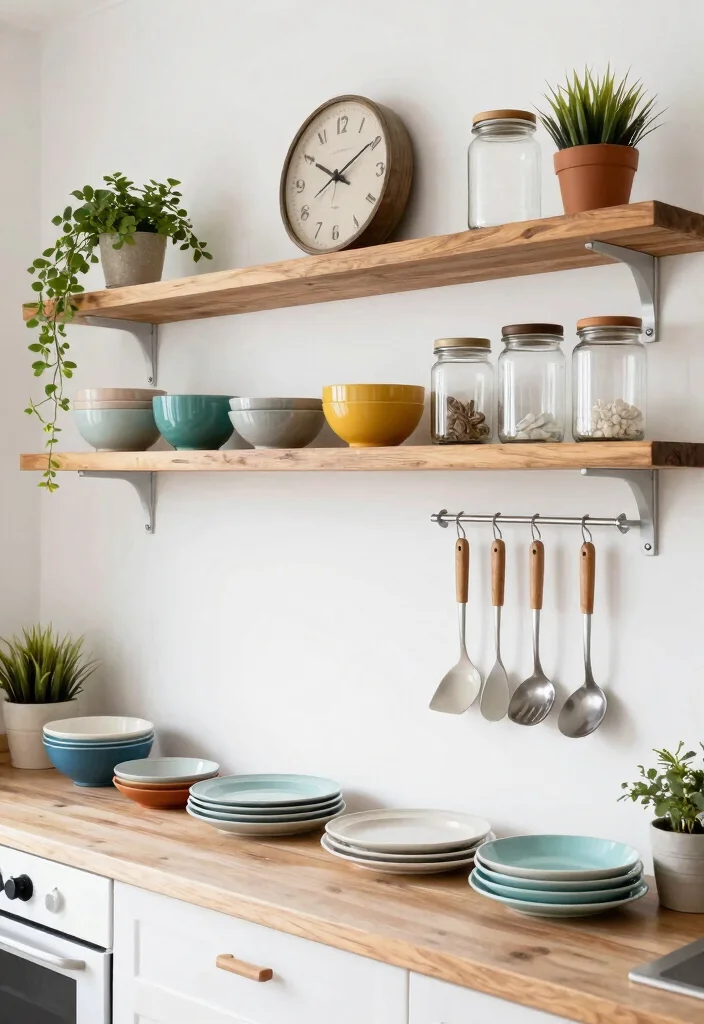
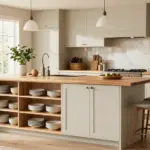
Open shelving transforms your kitchen into an inviting space while enhancing accessibility. This design choice creates an illusion of openness, allowing you to display your favorite dinnerware and unique kitchen accessories. Imagine rustic wooden shelves adorned with colorful dishes or sleek metal brackets holding glass jars filled with spices; these elements bring both style and functionality to your kitchen decor. By showcasing items you love, you create a personal atmosphere that feels warm and welcoming.
To make the most of open shelving, consider organizing your items thoughtfully. Use decorative baskets to store smaller kitchen tools, and opt for color-coordinated dishes for a polished look. Regularly changing the items on display keeps the aesthetics fresh and engaging.
Consider these insights to elevate your kitchen with open shelving:
– Use baskets or decorative boxes to keep smaller items organized.
– Consider color coordination for a more cohesive look.
– Regularly update your display to avoid a cluttered appearance.
This approach not only enhances visual appeal but also invites creative expression through the textures and colors of your displayed items.
Fun fact: open shelving can make a small house kitchen feel 20% larger by exposing wall space and reflecting light. When you display favorite dishes, you not only gain accessibility but create a warm, personalized vibe—perfect for these small house kitchen ideas.
2. Multi-Functional Island
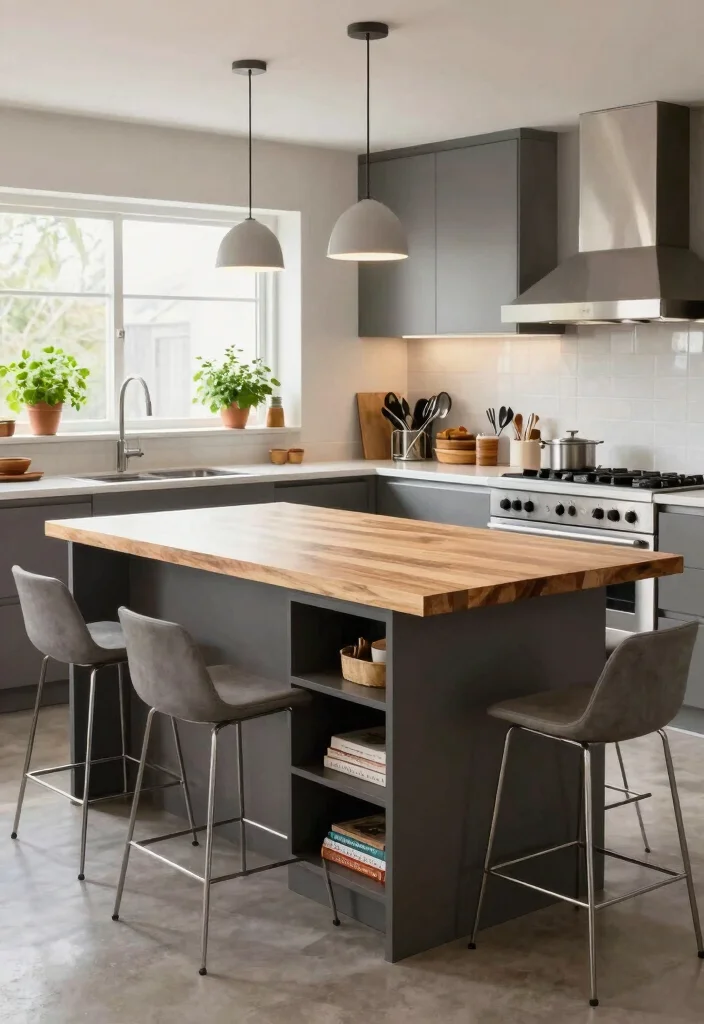
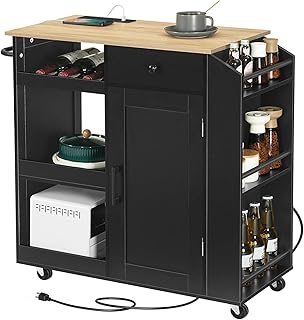
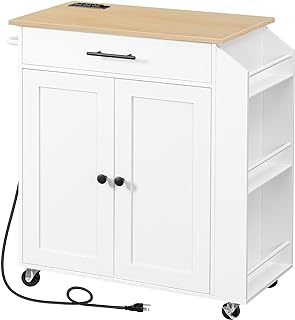
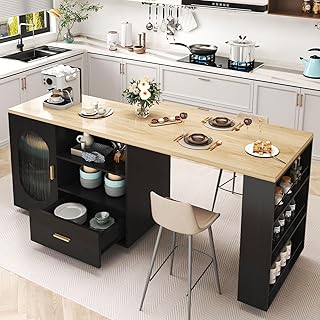
A multi-functional island is a game-changer in small kitchens, offering versatility and efficiency in one compact space. This essential feature can serve as a prep area, dining spot, and hidden storage solution, making it an invaluable addition to your layout. Imagine a rolling island that can be moved out of the way when not in use, maximizing your floor space and enhancing your cooking experience.
Look for islands that include built-in storage, allowing you to keep pots, pans, and utensils neatly tucked away. A well-designed island helps streamline your kitchen workflow while adding style and comfort to your cooking space.
Here are some practical tips for incorporating a multi-functional island:
– Choose an island with seating to combine dining and cooking.
– Look for foldable or expandable options for versatility.
– Use decorative stools that complement your kitchen style.
This design choice not only enhances functionality but also creates a welcoming environment where family and friends can gather.
Multi-Functional Island
Editor’s Choice



3. Compact Appliances
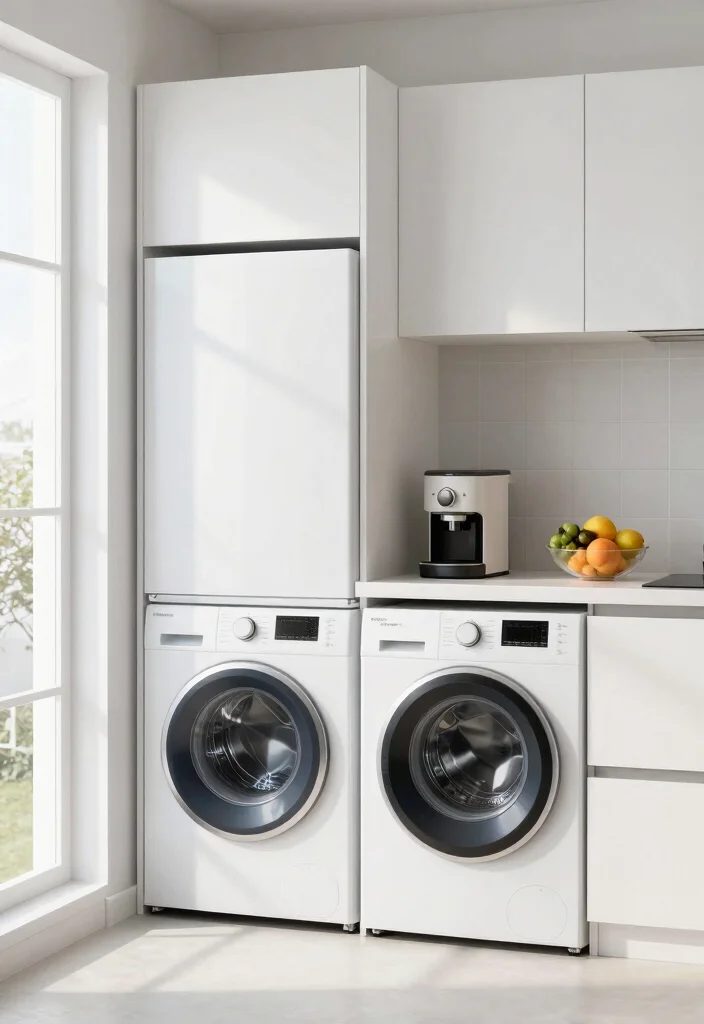
In a small kitchen, choosing compact appliances can significantly enhance both functionality and aesthetics. These space-saving designs, from slim refrigerators to combination microwave-ovens, ensure that you have the tools you need without overwhelming your limited workspace. Imagine sleek, modern appliances that fit seamlessly into your cabinetry, creating a polished, uncluttered look.
Opt for multi-functional devices that serve several purposes, which can help reduce clutter and enhance efficiency. Many compact models come loaded with modern features, ensuring you don’t sacrifice performance for size.
Consider these tips for selecting compact appliances:
– Prioritize energy-saving appliances to promote sustainability.
– Research models that fit seamlessly into cabinetry.
– Look for stackable or convertible appliances when possible.
By carefully selecting your appliances, you can create a functional kitchen that feels spacious and efficient.
4. Creative Storage Solutions
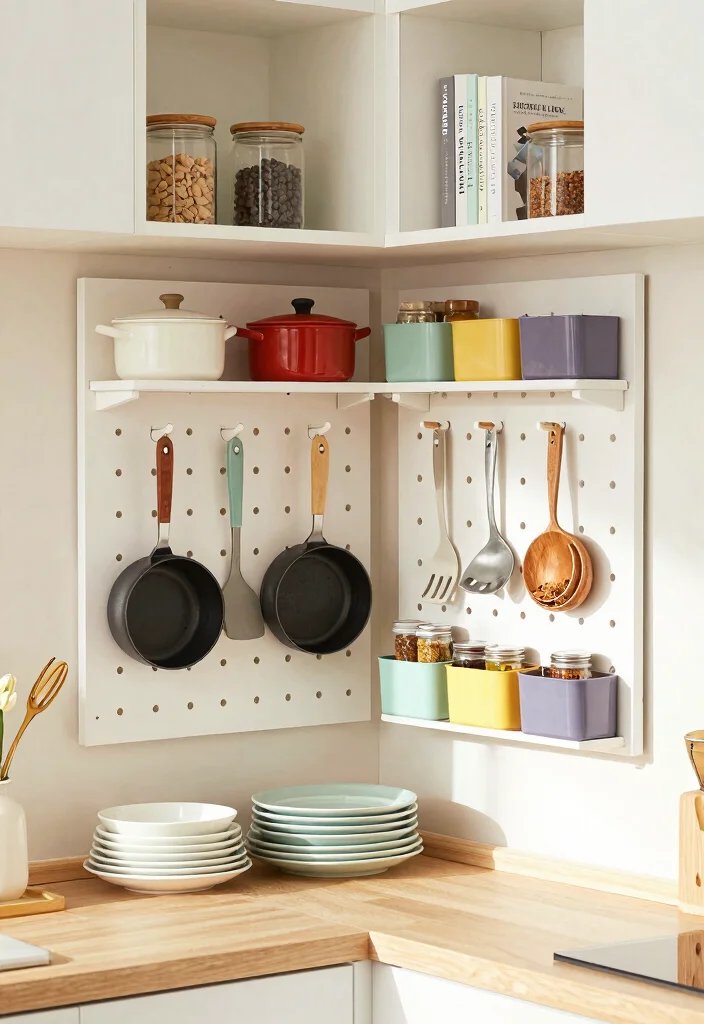
Creative storage solutions can revolutionize your small kitchen, transforming chaos into order. By thinking vertically, you can utilize wall space with racks, magnetic strips, or pegboards for hanging pots and spices. This approach not only saves precious cabinet space but also turns storage into an attractive design element.
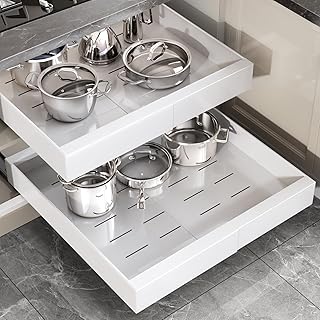
Don’t overlook under-counter storage; drawers with dividers or pull-out shelves can neatly house everything from utensils to baking trays. Additionally, the area above cabinets can be a great spot for decorative items or less-used kitchen tools, keeping your space tidy and inviting.
Explore these savvy storage insights:
– Install hooks or rails for easy access to frequently used items.
– Use bins or labeled organizers for small items in drawers.
– Consider under-sink organizers to maximize unused spaces.
These solutions not only enhance organization but also contribute to a visually appealing kitchen that feels spacious and functional.
5. Color Psychology in Kitchen Design
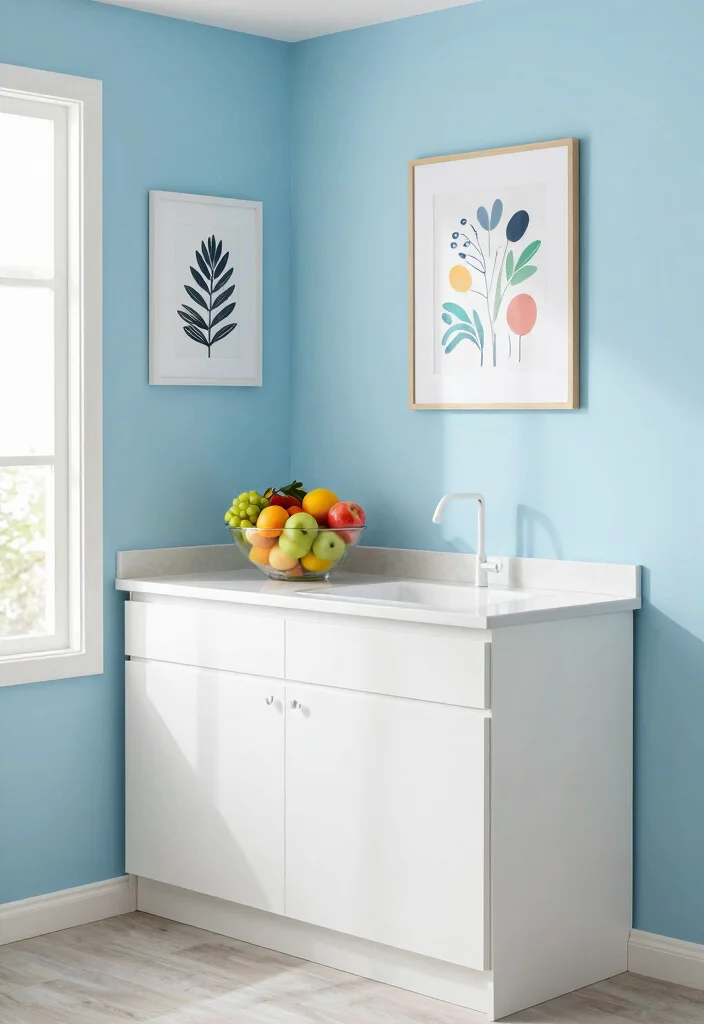
Color plays a crucial role in shaping the atmosphere of your kitchen, influencing how spacious or inviting it feels. Light shades such as soft whites, pale blues, or light greys can reflect light and create an airy environment in smaller spaces. You can also add vibrant accents through accessories or a feature wall that injects personality without overwhelming the design.
For a sophisticated touch, rich, deep colors on cabinets or trim can beautifully contrast lighter shades, adding depth and style. Washable wallpaper is another fun way to bring colors into your kitchen without commitment, allowing for easy updates as trends change.
Incorporate these color strategies to enhance your kitchen:
– Use color blocking techniques to define spaces visually.
– Incorporate playful colors in small doses to avoid overwhelming the space.
– Choose finishes that enhance natural light, such as glossy surfaces.
These thoughtful color choices can transform your kitchen into a vibrant and inviting space that reflects your style.
6. Foldable Furniture
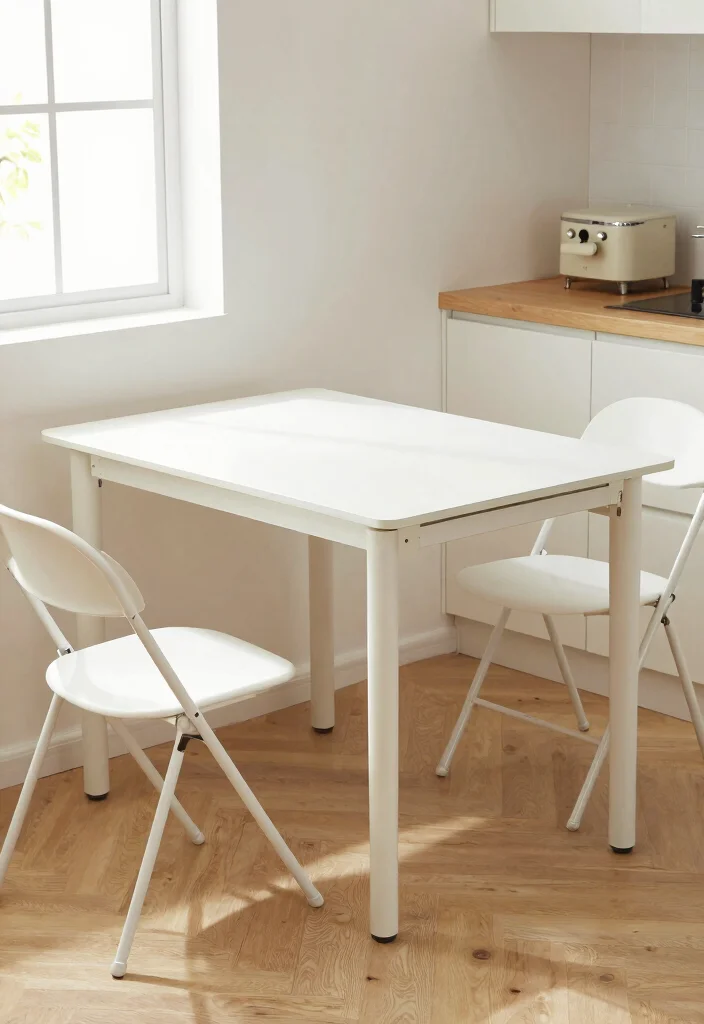
Foldable furniture is a versatile solution for maximizing space in a small kitchen. Look for tables or kitchen islands that can expand or be tucked away when not in use, providing flexibility that enhances functionality. A drop-leaf table or a wall-mounted folding table can create a cozy dining area without taking up permanent space.
When you need extra counter space, simply pull down a foldable table to enjoy its benefits. This approach allows you to adapt your kitchen for meal prep or entertaining without feeling cramped.
Consider these tips for selecting foldable furniture:
– Ensure that foldable pieces are sturdy and aesthetically pleasing.
– Consider adding cushions to folding chairs for comfort.
– Store foldable furniture in an easily accessible spot for convenience.
This clever use of furniture not only maximizes your kitchen’s potential but also ensures you have a welcoming space for family and friends.
7. Strategic Lighting
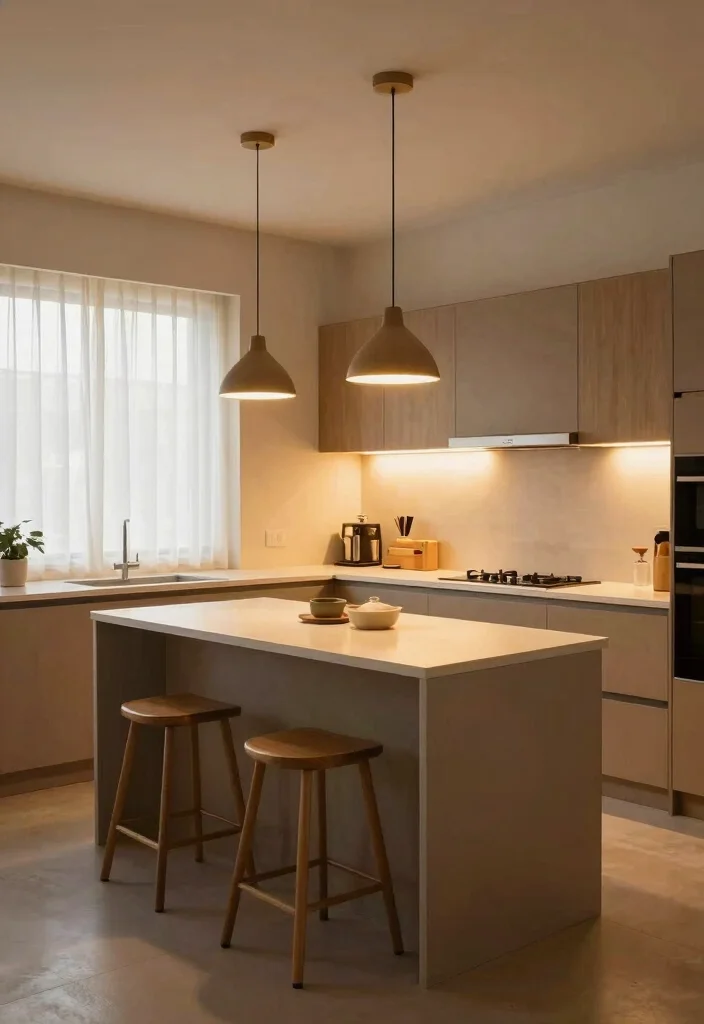
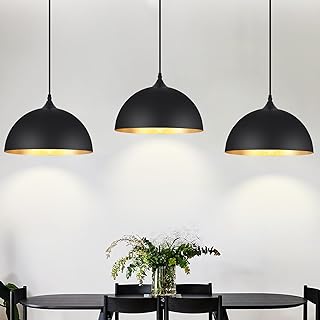
Lighting dramatically influences the mood and functionality of your kitchen, especially in smaller spaces. Layering different types of lighting—ambient, task, and accent—can create a bright yet cozy atmosphere. Under-cabinet lights can illuminate countertops for cooking, while pendant lights over an island add a stylish touch.
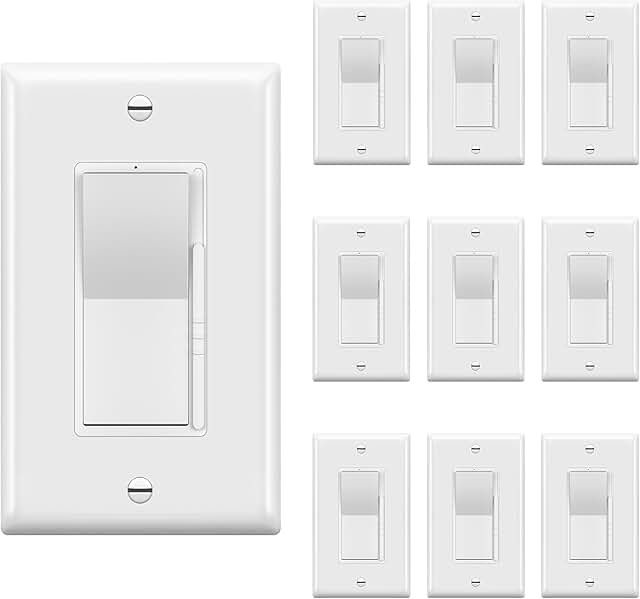
Recessed lighting provides even illumination, making the space feel more open and inviting. Consider adding dimmer switches to adjust the ambiance according to the time of day or occasion.
Enhance your kitchen with these lighting strategies:
– Use warm-toned bulbs for a cozy feel.
– Highlight artwork or unique features with accent lighting.
– Incorporate natural light with sheer window treatments.
Strategic lighting not only improves functionality but also creates a warm and welcoming environment in your kitchen.
Layered lighting is a go-to for small house kitchen ideas, making a compact space feel brighter and more open. Pair ambient, task, and accent lighting—plus dimmer switches—to cook safely and create cozy vibes. Under-cabinet LEDs illuminate countertops, while pendant lights over an island add style.
Strategic Lighting
Editor’s Choice


Dimensions & Size Guide
Standard Sizes & Measurements:
Understanding the right dimensions for your small house kitchen is crucial for its functionality and style. Here are some common sizes you’ll encounter:
– Counter Height: Typically, kitchen counters are around 36 inches tall. This height is comfortable for most tasks like food prep and cooking. Aim for a minimum of 15 inches of clearance above the counter for overhead cabinets.
– Cabinet Depth: Standard base cabinets are 24 inches deep. This allows for ample workspace while keeping everything within reach. Wall cabinets are generally 12 inches deep, which helps save space in compact areas.
– Kitchen Islands: If you’re adding an island, consider dimensions around 48 inches long by 24-36 inches wide. This size allows for seating and food prep without crowding the kitchen.
– Appliance Sizes: Compact appliances are essential for a small kitchen. Look for refrigerators that are 24-30 inches wide and 60-70 inches tall. Ovens and dishwashers often come in smaller widths of 24 inches to fit limited spaces.
Quick Reference Table:
| Size/Dimension | Best for: | Minimum space needed: |
|---|---|---|
| 36 inches (Counter Height) | Standard food prep and cooking | 15 inches above for cabinets |
| 24 inches (Base Cabinet Depth) | Maximizing storage and workspace | Allows for easy access |
| 48 by 36 inches (Kitchen Island) | Food prep and additional seating | Space for movement around |
| 24-30 inches (Compact Refrigerator) | Saving space while keeping food fresh | Minimum 60 inches height clearance |
Space Planning Tips:
1. Measure Twice: Always double-check your measurements before making any purchase. It’s easy to miscalculate, especially in tight spaces. A misstep can lead to awkward layouts and wasted money. ✔
2. Leave Breathing Room: Ensure at least 36 inches of clearance between the island and any nearby cabinets or appliances. This space allows for easy movement and prevents overcrowding.
3. Consider Door Swings: When planning your layout, think about how cabinet doors and appliance doors will open. You don’t want them to hit each other or block pathways when opened.
4. Think Vertical: Use vertical space for storage. Installing shelves or cabinets up to the ceiling maximizes storage while maintaining an open feel.
5. Plan for Workflow: Your kitchen should allow for an efficient work triangle: the sink, stove, and refrigerator should be in a triangular layout for easy access during cooking.
Pro Tip: The most critical measurement to consider is the clearance space around your kitchen island or any other focal point. Without proper clearance, your kitchen will feel cramped. Aim for at least 36 inches of space around islands and appliances to keep your kitchen functional and welcoming. 💡
8. Integrated Appliances
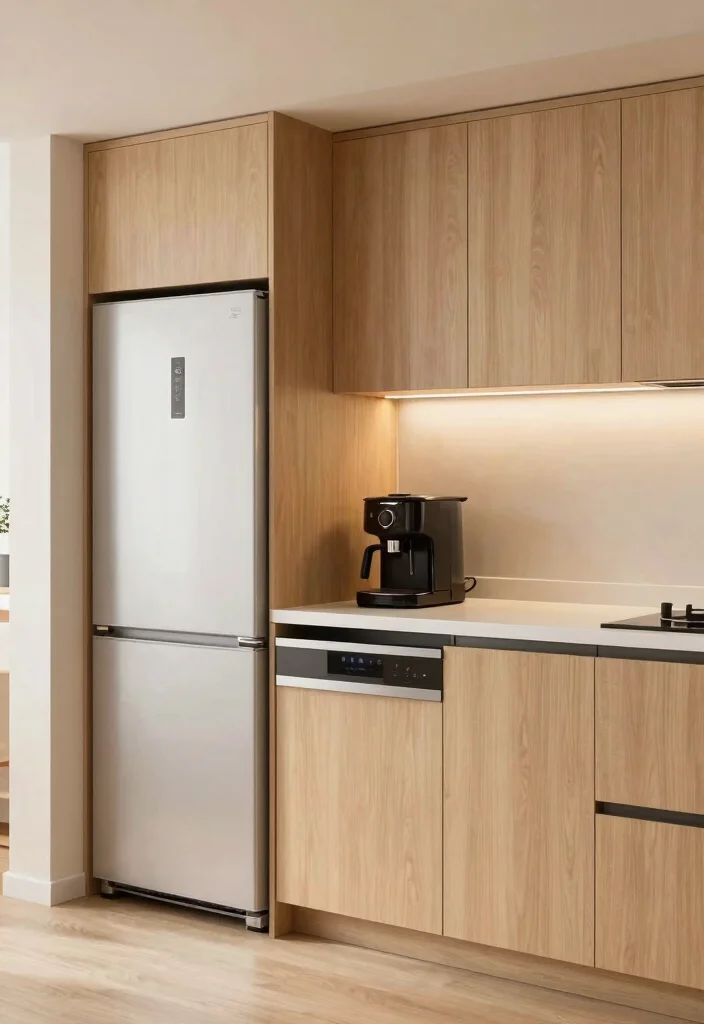
Integrated appliances can streamline your small kitchen, creating a sleek and cohesive look. By blending seamlessly with cabinetry, these appliances offer a polished appearance that minimizes visual clutter. Built-in microwaves, dishwashers, or refrigerators can enhance your design while maximizing available space.
Choosing integrated designs often brings innovative features, such as slide-in ranges or refrigerator drawers, that enhance usability. This approach not only saves space but also elevates the overall aesthetic of your kitchen.
Implement these tips when selecting integrated appliances:
– Always measure your space for a snug fit with integrated designs.
– Choose appliances that complement your overall kitchen style.
– Look for energy-efficient options to save on utilities.
With thoughtful selections, integrated appliances can elevate your kitchen’s style and functionality.
9. Textured Surfaces
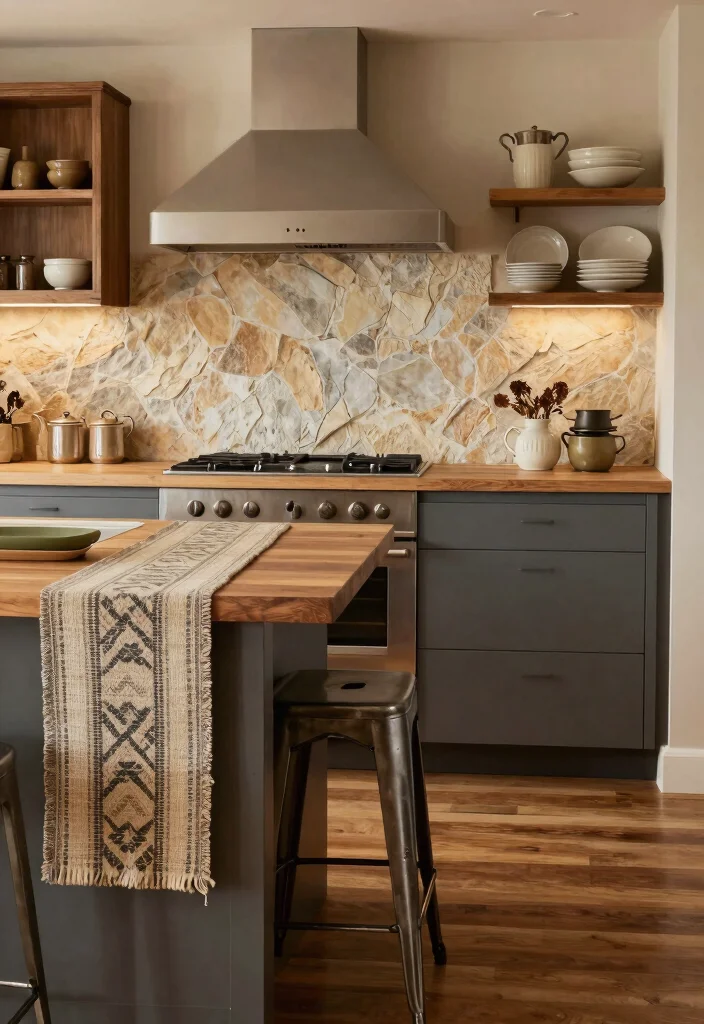
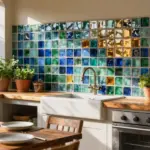
Incorporating textured surfaces can add depth and interest to your kitchen, especially when space is limited. Using a mix of materials like wood, tile, and metal creates a layered look that captivates attention. Textured backsplashes made from natural stone or patterned tiles serve as stunning focal points, drawing the eye away from the kitchen’s compact size.
Soft textiles, such as a patterned runner or decorative cushions, can introduce warmth without overcrowding the space. Striking a balance between different textures is essential to avoid overwhelming the design.
Explore these insights for adding texture to your kitchen:
– Use texture to highlight specific areas of your kitchen.
– Balance harder surfaces with soft textiles for comfort.
– Experiment with contrasting textures for a dynamic appearance.
These textural elements can enhance your kitchen’s aesthetic while creating an inviting atmosphere.
10. Personal Touches
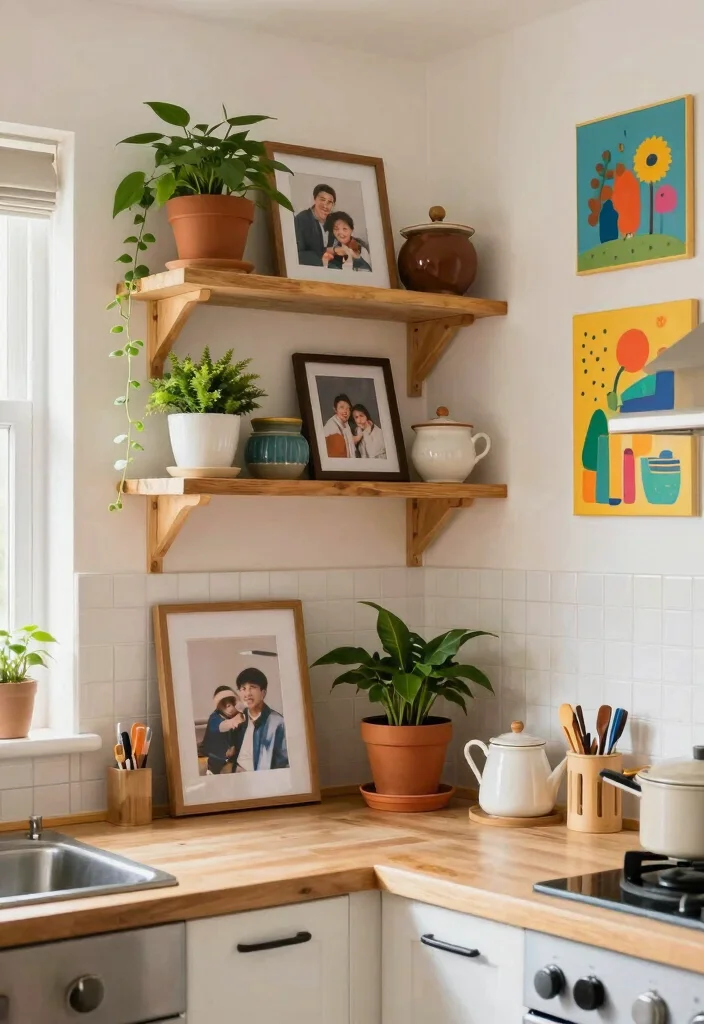
Personal touches in your kitchen can make it feel uniquely yours. Displaying family photos, fun artwork, or handmade pottery adds character and warmth to the space. Open shelving can be a perfect way to showcase your favorite collections, while a gallery wall of inspiring framed prints creates a focal point that tells your story.
These thoughtful details foster a warm atmosphere, transforming a basic kitchen into a cozy and inviting haven. By carefully curating what you display, you can enhance your kitchen’s charm without creating clutter.
Consider these personal touch strategies:
– Be selective about what you display to avoid clutter.
– Rotate items seasonally for a fresh look.
– Consider DIY projects or local artists to support community creativity.
Incorporating personal elements can create a kitchen that feels like home, reflecting your personality and style.
In small house kitchen ideas, personal touches matter: a gallery wall, open shelving, and family photos turn a compact space into homey magic. Curate what you display, swap photos seasonally, and let color accents guide the vibe.
Personal Touches
Editor’s Choice



11. Minimalistic Approach
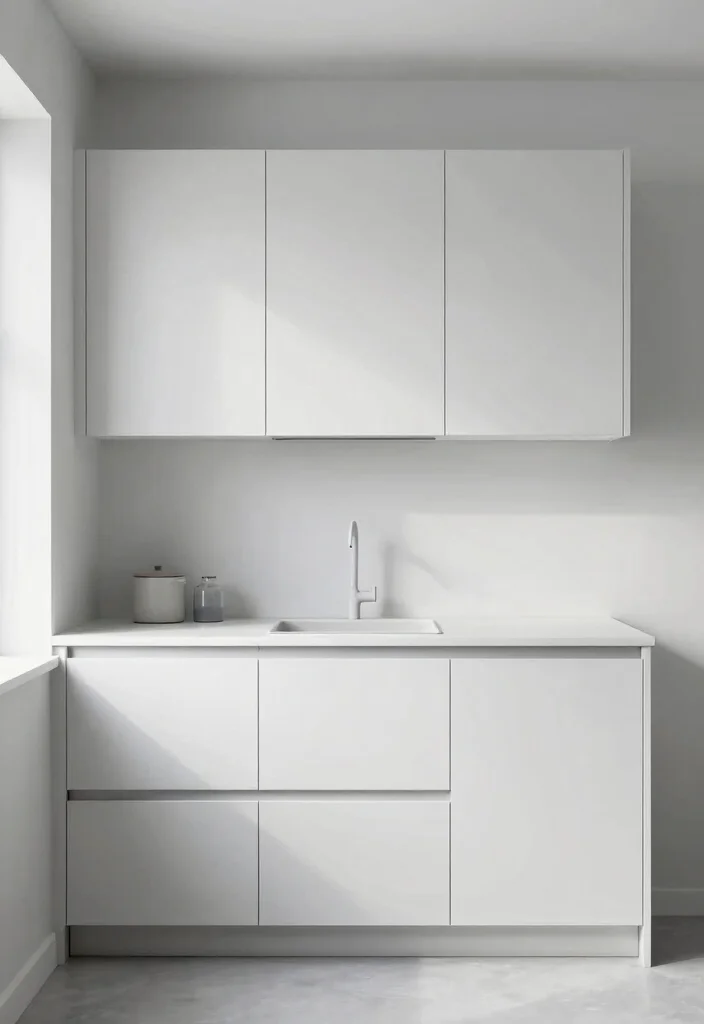
A minimalistic approach can greatly enhance your small kitchen’s functionality and aesthetic. Embracing the ‘less is more’ philosophy helps create a serene space where everything has its place. Opt for sleek cabinetry with clean lines and limit decorative items to reduce visual clutter.
This style encourages focusing on essential items, cultivating a calming atmosphere. A monochromatic color scheme can create a seamless look that feels more spacious, while smart storage solutions help maintain an uncluttered design.
Adopt these minimalistic strategies:
– Invest in quality pieces that are both functional and aesthetic.
– Keep countertops clear to maintain an airy feel.
– Use multi-functional furniture to save space.
Regularly reassessing kitchen items helps maintain a minimalistic vibe, ensuring your kitchen remains calm and organized.
Minimalistic Approach
Editor’s Choice


12. Smart Floor Plans
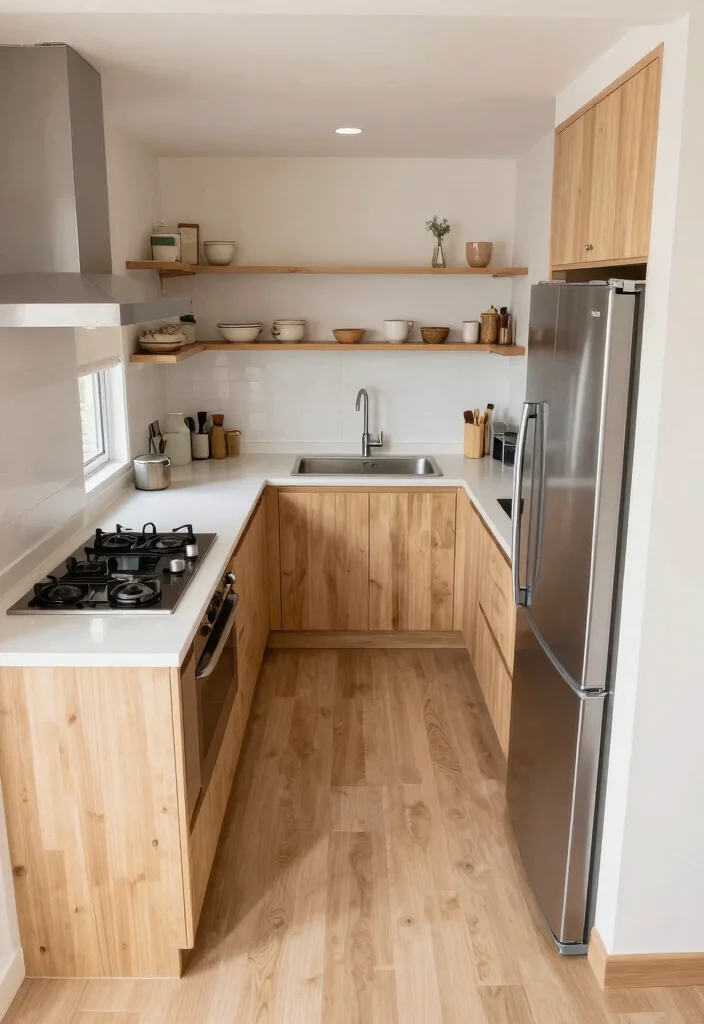
Creating a smart floor plan is essential for maximizing your small kitchen’s functionality. Consider the flow of movement; arranging the stove, refrigerator, and sink in a triangular layout can enhance efficiency. Utilize corners with clever cabinetry or pull-out shelves to make the most of every inch of space.
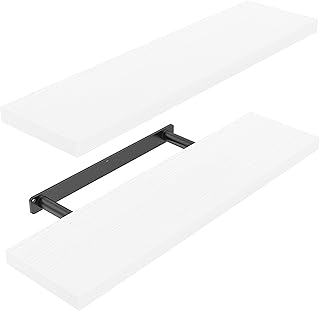
Incorporating floating shelves can provide additional storage while keeping pathways clear. Open-concept designs can further improve flow and create an illusion of a larger area, making your kitchen feel more expansive.
Implement these smart planning tips:
– Assess your cooking style to optimize layout.
– Keep narrow pathways free for easy movement.
– Choose built-in solutions that blend with your floor plan.
Consulting a designer for major layout changes can provide professional insight, ensuring your kitchen is both beautiful and functional.
Smart Floor Plans
Editor’s Choice



Conclusion
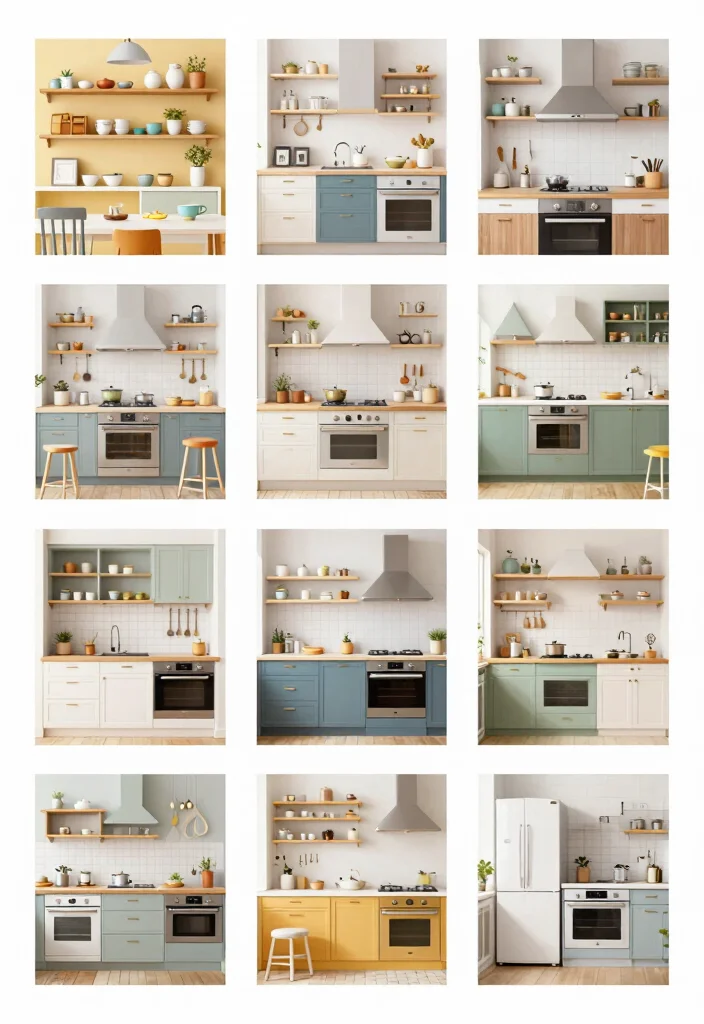
Embracing small house kitchen ideas with smart layouts can revolutionize your cooking space.
Whether it’s through clever storage solutions, personalized decor, or functional designs, there’s a way for every kitchen to shine, no matter the size.
Exploring these trends can inspire you to curate a kitchen that feels larger, more organized, and tailored to your lifestyle.
Note: We aim to provide accurate product links, but some may occasionally expire or become unavailable. If this happens, please search directly on Amazon for the product or a suitable alternative.
This post contains Amazon affiliate links, meaning we may earn a small commission if you purchase through our links, at no extra cost to you.
Frequently Asked Questions
What are the top space-saving strategies in small house kitchen ideas?
Boost storage with vertical solutions and multi-functional surfaces. Use space-saving solutions like pull-out pantry shelves, magnetic spice racks, and wall-mounted pot racks. Choose compact appliances (slim fridges, compact ovens) to free counter space. Create a smart functional layout that keeps the work triangle tight and accessible. Finish with a light color palette and reflective backsplashes to make the room feel larger. Pair these ideas with solid kitchen organization habits for lasting results.
Map your daily workflow to avoid crowding and ensure easy access to frequently used items.
How can I create a truly functional layout in a compact kitchen?
Start with a solid functional layouts strategy: place the sink, stove, and prep area in a comfortable work triangle, and consider a peninsula or small island to add prep space without blocking flow. Use space-saving solutions like pull-out cutting boards, corner carousels, and vertical dividers to maximize every inch. Choose wall-mounted storage and open shelving sparingly to keep counters clear. Finish with zoned lighting to make each area feel distinct and practical.
Remember to test the layout in 3D or on paper before committing.
Which modern kitchen design ideas work best for tiny spaces?
Go for a modern kitchen design that emphasizes clean lines and light, reflective surfaces. Think handle-free cabinets, integrated appliances, and a pale palette with strategic pops of color. Use glass-front cabinets to visually expand space and mirror backsplashes to reflect light. Consider concealed hardware, under-cabinet lighting, and a slim profile island or peninsula. These moves keep the space feeling open while delivering high style.
Tip: pair with a fold-down dining surface or compact seating to maximize functionality without crowding.
What are practical kitchen organization tips for a small kitchen?
Start with decluttering and assigning zones for prep, cooking, and cleaning. Invest in space-saving solutions like pull-out pantry shelves, drawer organizers, and Lazy Susans to keep items accessible. Use vertical storage: wall rails for utensils, magnetic strips for spices, and hanging baskets. Label containers and keep a running inventory so you only own what you actually use. Regular maintenance helps keep your compact kitchen tidy and functioning smoothly.
What common mistakes should I avoid with small house kitchen ideas and layouts?
Avoid crowding counters with too many gadgets and ignore traffic patterns or doorway clearances. Don’t choose dark colors or heavy curtains that shrink the space, and don’t neglect lighting. Also, beware misreading scale—appliances and cabinets should fit the room, not dominate it. Skipping smart storage planning, like corners and vertical space, is a frequent drain on functionality. Plan with accurate measurements, test layouts, and prioritize essential items to keep the design practical and stylish.