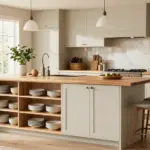
Creating the perfect kitchen layout can feel overwhelming. With so many ideas and options, it’s easy to get lost in the details. That’s why I crafted this post to help you discover 14 kitchen layout ideas that promote better workflow. Whether you’re planning a full remodel or just looking for small kitchen solutions, I’ve got you covered.
If you’re someone who loves to cook or simply wants a functional space for meal prep, this guide is for you. You might be dealing with a small area or dreaming of an open concept kitchen. Whatever your situation, you want a kitchen that feels good to work in. You’ll find layout ideas that are practical, stylish, and easy to implement, ensuring that your kitchen is both beautiful and efficient.
In this post, you will learn about different kitchen layouts that can enhance your cooking experience. From the classic galley kitchen to the trendy open concept design, each layout has unique features that cater to various needs. You’ll walk away with tips on how to organize your space effectively, making your kitchen a more enjoyable place to be.
Key Takeaways
– Discover a variety of kitchen layouts tailored for different spaces, including galley, L-shaped, and U-shaped designs that maximize efficiency.
– Explore small kitchen solutions that make the most of limited space while ensuring you have everything you need within reach.
– Learn about open concept kitchens, which blend living and cooking areas, creating a social atmosphere perfect for entertaining.
– Get insights into functional kitchen organization, focusing on layout choices that improve workflow and accessibility.
– Find inspiration in modern design tips, showcasing the latest trends in kitchen layouts that enhance both form and function.
1. The Galley Kitchen Layout
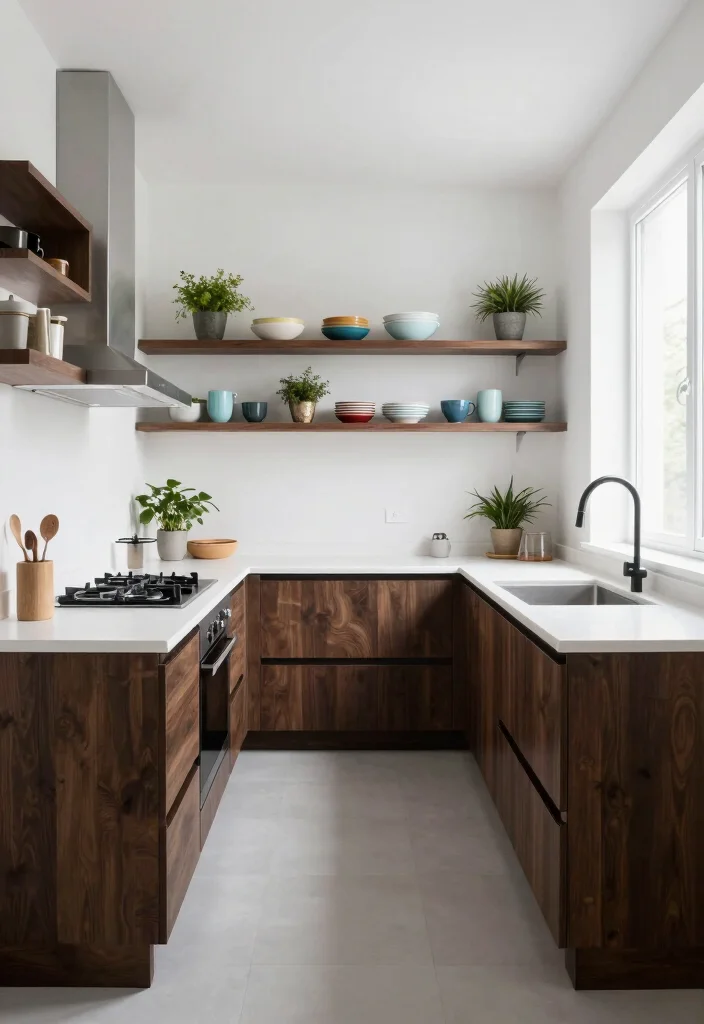
The galley kitchen layout shines in smaller spaces, providing an efficient workflow where everything is just within reach. This design features two parallel walls, creating a cozy corridor filled with cabinets, appliances, and countertops that facilitate cooking. The beauty of this design lies in its ability to maximize vertical storage while maintaining an organized feel. You can use light cabinetry paired with warm wood accents to create a harmonious balance that feels both spacious and inviting.
To truly make the most of your galley kitchen, focus on practical strategies. Utilize shelf risers to enhance storage, and hang pots or utensils on the walls for easy access. Look for budget-friendly open shelving options to display your favorite dishes while keeping essentials at your fingertips.
Consider these elements to optimize your galley kitchen:
– Use light colors and mirrors to make the space feel larger.
– Incorporate pull-out shelves for easy access to hidden items.
– Install open shelving for quick access to your favorite dishes.
With thoughtful lighting, a galley kitchen can feel warm and welcoming, making it an ideal space for culinary creations.
In small-space galley kitchens, the kitchen ideas layout cuts walking steps by up to 30% since everything is within arm’s reach. Two parallel walls maximize vertical storage while keeping the workflow tight and organized. Light cabinetry with warm wood accents makes the space feel spacious and inviting.
The Galley Kitchen Layout
Editor’s Choice




2. L-Shaped Kitchen Layout
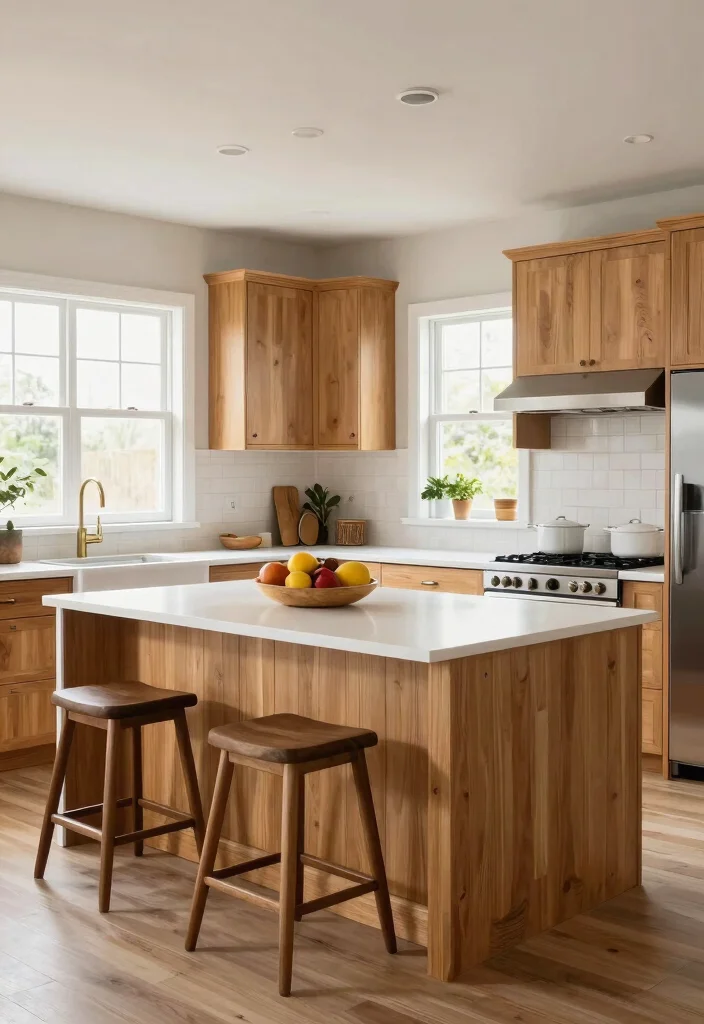
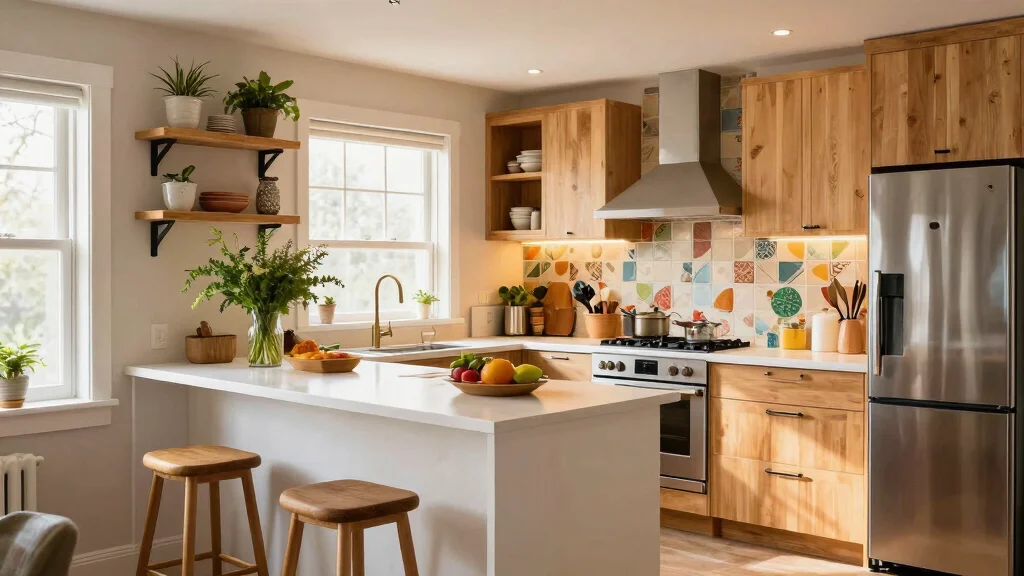
The L-shaped kitchen layout is a timeless favorite that works beautifully in both small and medium-sized homes. This design features two walls forming an L-shape, allowing for an open central space perfect for a dining table or island. The versatility of this layout creates a natural flow that enhances both functionality and interaction.
To make the most of this layout, think about placement and accessibility. Position the sink or stovetop at the corner to streamline movement, and consider adding a kitchen island for extra prep space. Budget-friendly bar stools can transform the island into a cozy dining area, encouraging family gatherings.
Here are some tips to enhance your L-shaped kitchen:
– Place the sink or stovetop at the corner for ease of movement.
– Add a kitchen island for extra prep space and storage.
– Use bar stools at the island to create a casual dining area.
This layout not only provides ample workspace but also fosters a sociable cooking environment where everyone can gather and enjoy the experience.
3. U-Shaped Kitchen Layout
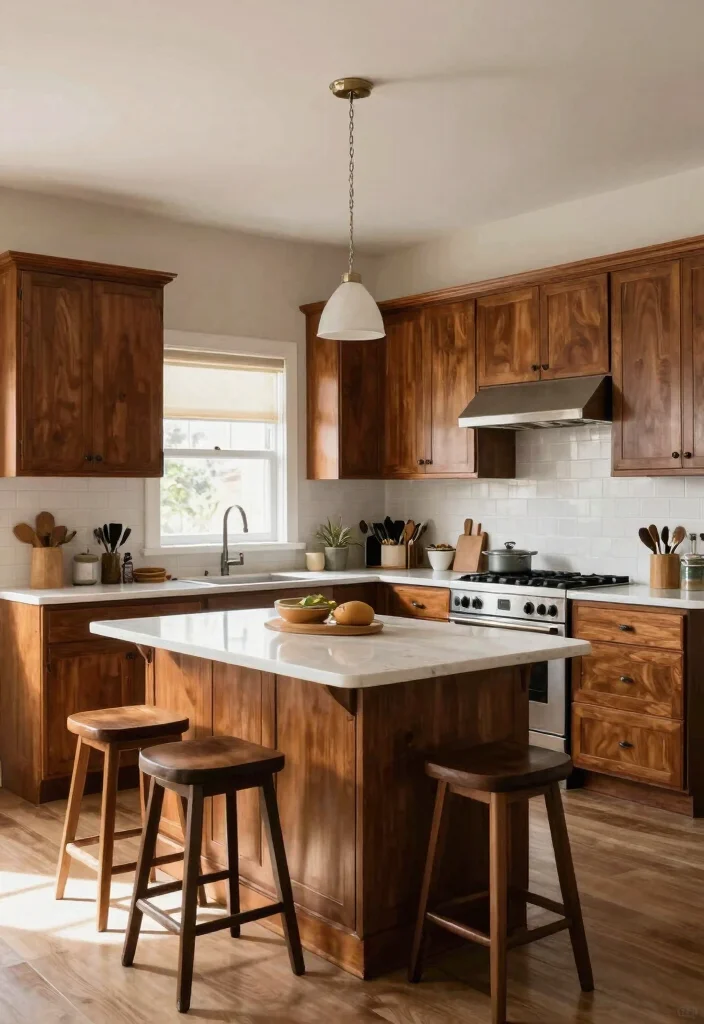
If you’re in need of abundant workspace, the U-shaped kitchen layout is a fantastic option. This design maximizes efficiency by utilizing three walls for cabinets and appliances, creating a perfect work triangle between the sink, stove, and refrigerator. It’s a layout that emphasizes functionality while allowing for plenty of storage.
To enhance your U-shaped kitchen, focus on integrating practical elements. Install under-cabinet lighting to brighten your cooking area, and consider using the center space for a small island or dining table. Corner cabinets with lazy Susans make accessing items a breeze, adding to the overall functionality.
Maximize your U-shaped kitchen’s potential with these ideas:
– Install under-cabinet lighting for a bright cooking area.
– Use the center space for a small dining table or an island.
– Incorporate corner cabinets with lazy Susans for easier access.
This layout not only provides ample storage but also facilitates smooth movement between areas, making meal preparation a delight.
Dimensions & Size Guide
Standard Sizes & Measurements:
When planning your kitchen layout, understanding standard sizes is crucial. Most kitchen cabinets are typically 24 inches deep and 36 inches high. If you’re aiming for a comfortable working height for countertops, aim for 36 inches as well. For islands, a standard height is 42 inches for a bar-style setup and 36 inches for regular counter height.
The average width of an aisle between cabinets is 36 to 48 inches. This width allows for smooth workflow and prevents congestion. For a galley layout, you’ll want at least 4 feet between opposing countertops to ensure you can move freely.
Minimum Requirements for Proper Fit or Function:
For proper kitchen function, consider these minimum dimensions:
– Appliances: Standard ovens are 30 inches wide and require at least 30 inches of clearance in front. Dishwashers are usually 24 inches wide with a minimum of 21 inches of depth.
– Countertop Space: You should have at least 24 inches of uninterrupted counter space beside your stove. This ensures you have room for placing hot dishes or prepping food.
Space Planning Considerations:
When planning your kitchen, think about the work triangle: the distance between the sink, stove, and refrigerator should ideally be between 12 and 26 feet. This design minimizes unnecessary movement, making your cooking experience smoother.
Quick Reference Table:
Here’s a simple comparison of sizes, their uses, and the minimum space needed:
Size/Dimension – Best for: [use case], Minimum space needed: [measurement]
– Counter Height (36 inches) – Best for: Cooking and prep areas, Minimum space needed: 24 inches beside appliances
– Island Height (42 inches) – Best for: Bar-style seating, Minimum space needed: 36 inches around for seating
– Depth of Cabinets (24 inches) – Best for: Storing dishes and cookware, Minimum space needed: 48 inches for clearance
– Aisle Width (36-48 inches) – Best for: Smooth movement, Minimum space needed: 36 inches between cabinets
– Pantry Width (24 inches) – Best for: Storing dry goods, Minimum space needed: 30 inches for access
Space Planning Tips:
Here are some practical tips to help you measure and plan your kitchen space effectively:
1. Measure Twice, Cut Once: Always double-check your measurements before making any purchases for cabinets or appliances. Mistakes can lead to costly adjustments.
2. Consider Clearance: Account for door swings and appliance openings. You don’t want to find yourself unable to open the oven door because it’s too close to the cabinet!
3. Think About Flow: Make sure your kitchen allows for easy movement. Avoid blocking high-traffic areas, especially around the refrigerator and sink.
4. Use a Floor Plan Tool: Consider using an online kitchen planner tool. This can help you visualize the space and ensure everything fits before you start!
5. Don’t Forget About Storage: Include space for storage solutions like pull-out shelves and deep drawers. This helps keep your kitchen organized.
Pro Tip: The most important measurement to consider is the aisle space. Ensure you have enough room for two people to move freely without bumping into each other. This small detail can make a huge difference in your kitchen’s functionality!
4. Open Concept Kitchen
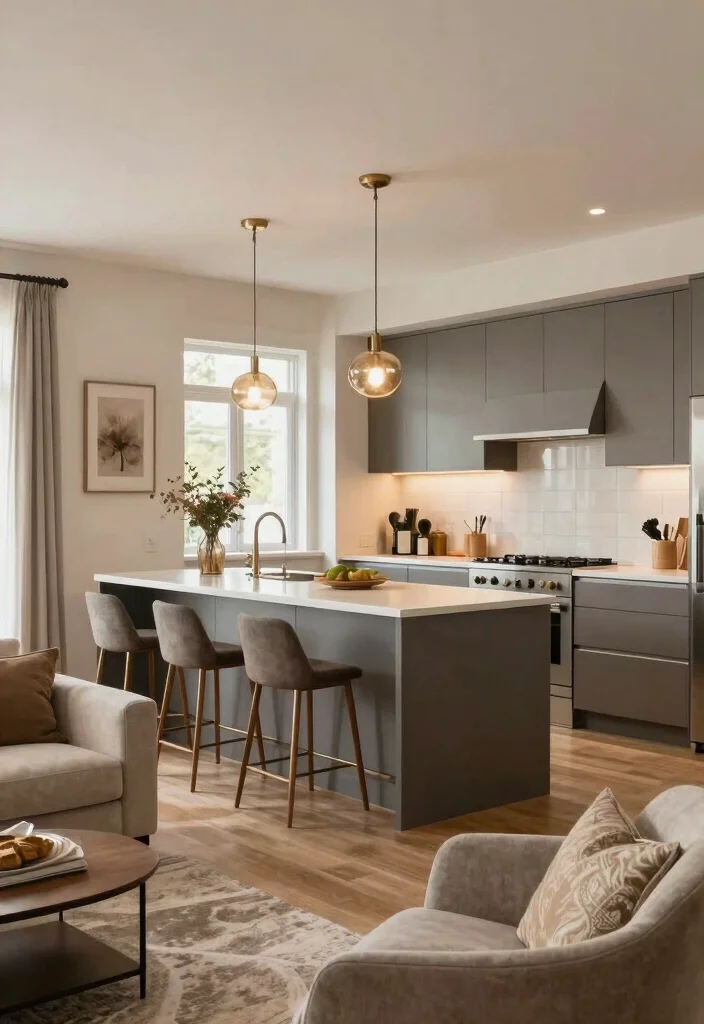
Open concept kitchens are extremely popular, and it’s easy to see why! They create a seamless flow between the kitchen and living areas, making your home feel larger and more inviting. This design encourages interaction, allowing you to engage with guests while cooking, transforming the kitchen into a lively hub.
To achieve an efficient open concept, focus on creating a cohesive look. Use the same flooring throughout to enhance visual continuity, and design a central island that doubles as a breakfast bar. Adequate lighting is crucial; consider a mix of recessed lights and decorative fixtures to brighten the space.
Here are some key tips for your open concept kitchen:
– Use the same flooring throughout for visual continuity.
– Design a central island that doubles as a breakfast bar.
– Ensure adequate lighting with a combination of recessed lights and decorative fixtures.
These spaces are perfect for entertaining, allowing you to cook while staying connected with your guests in the next room.
5. Floating Island Kitchen
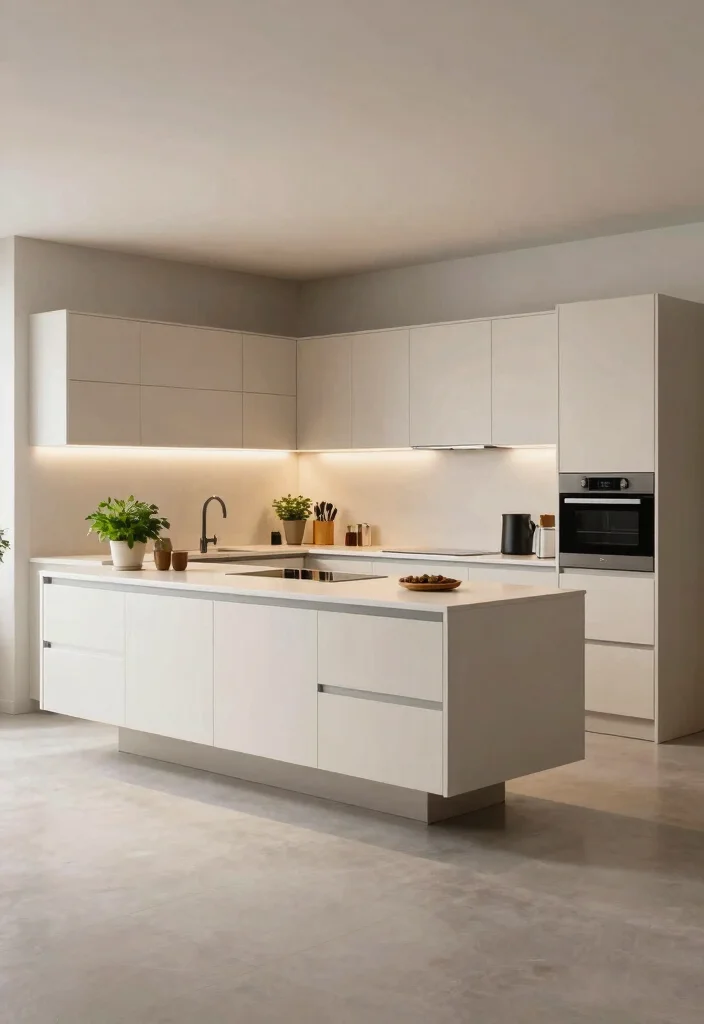
The floating island kitchen layout adds a contemporary flair to traditional designs. This innovative setup centers around an island that appears to ‘float’ in the kitchen, surrounded by light or transparent furnishings. The result is a modern aesthetic that feels open and airy while still being functional.
To optimize this unique layout, think about how you use the space. Use the island for cooking and food prep while keeping the surrounding areas open and unrestricted. Consider adding storage beneath the island for pots and pans, and choose light colors to enhance the floating effect, making the kitchen feel even more spacious.
Consider these elements to accentuate your floating island kitchen:
– Use the island for cooking and food prep while keeping the rest of the kitchen open.
– Add storage below the island for pots and pans.
– Choose light colors and materials to enhance the floating effect.
This design not only looks stunning but also encourages collaboration, making meal preparation a shared experience.
6. Modular Kitchen Layout
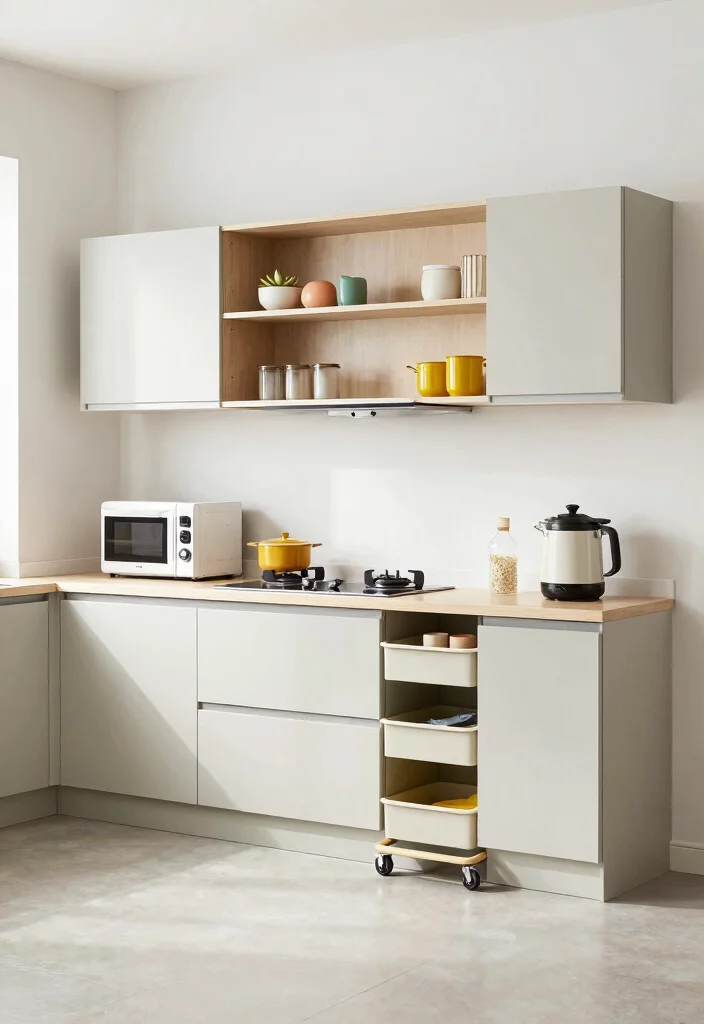
If you cherish flexibility, a modular kitchen layout is the perfect choice. This design features pre-made units that can be customized based on your space and personal style. It’s all about creating a functional kitchen that adapts to your needs, making it an ideal solution for diverse lifestyles.
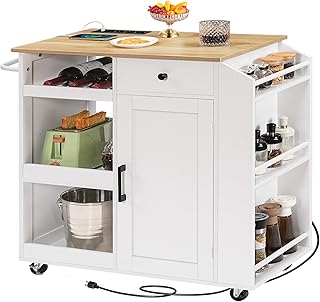
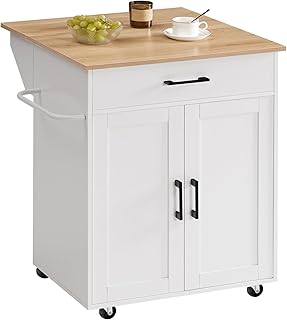
To create an effective modular kitchen, focus on the arrangement of different modules for cooking, cleaning, and storage. Open shelves can be an excellent feature for easy access to commonly used items, while movable carts can provide additional workspace when needed.
Here are some essential aspects of a modular kitchen:
– Choose different modules for cooking, cleaning, and storage.
– Design open shelves for easy access to frequently used items.
– Incorporate movable carts for additional workspace.
Modular kitchens are not just functional; they also allow you to redesign your space whenever creativity strikes!
A modular kitchen layout is like Legos for grown-ups—you customize as you go, so cooking stays joyful and clutter-free. With open shelves and pre-made units, your kitchen ideas layout adapts to your daily routine, not the other way around. Pro tip: group frequently used tools within arm’s reach.
Modular Kitchen Layout
Editor’s Choice



7. Peninsula Kitchen Layout
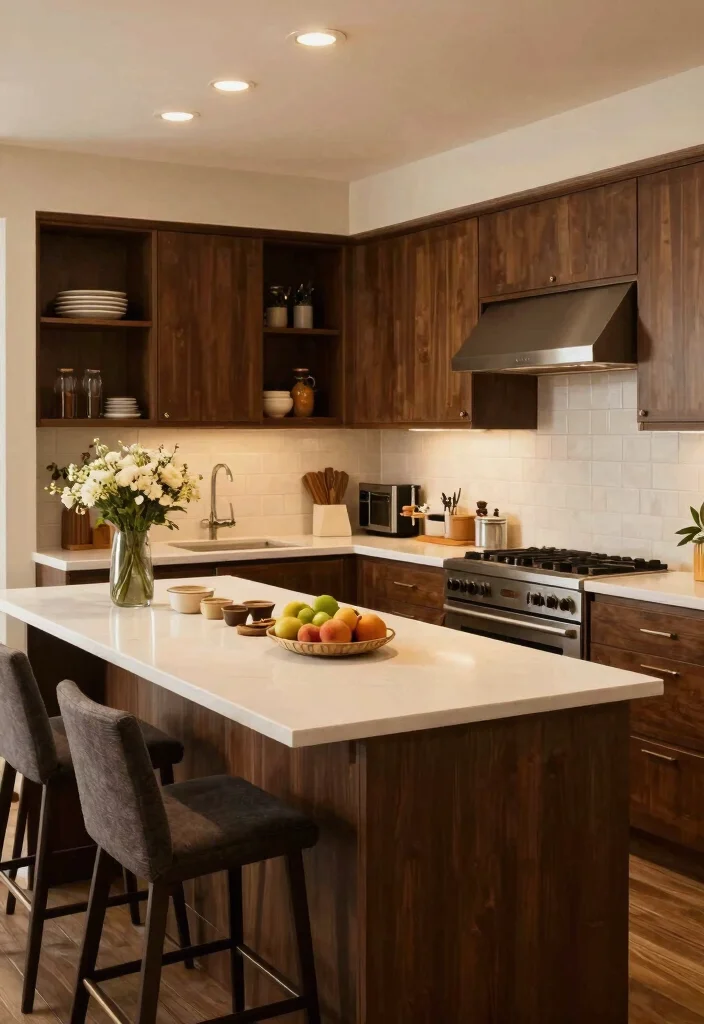
A peninsula kitchen layout is an excellent compromise between traditional and open concept designs. It features a connected island that extends from the countertop, creating a natural boundary while still promoting interaction. This layout is perfect for those who want the best of both worlds, maximizing space without sacrificing connectivity.
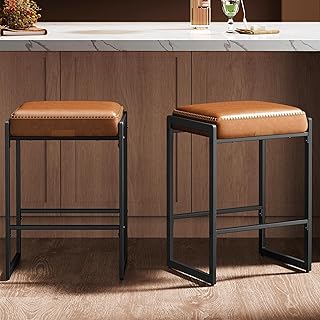
To enhance your peninsula kitchen, think about functionality and comfort. Use the peninsula for meal prep while keeping the main kitchen area available for cooking. Adding bar stools can create a casual dining space, perfect for quick meals or gatherings.
Maximize your peninsula kitchen with these ideas:
– Use the peninsula for meal prep while keeping the main kitchen area free.
– Add bar stools to create a casual dining space.
– Incorporate storage at the ends of the peninsula for easy access to kitchen tools.
This layout not only optimizes space but also creates a warm, inviting environment for friends and family.
Peninsula Kitchen Layout
Editor’s Choice




8. Corner Kitchen Layout
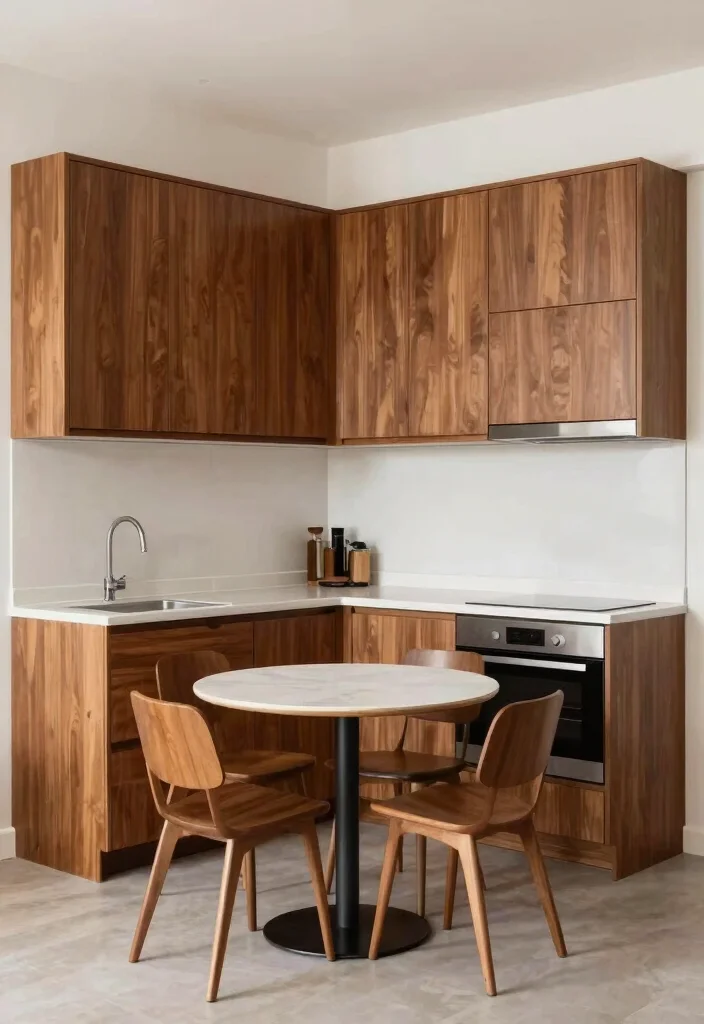
For extremely limited spaces, a corner kitchen layout can be a game changer. This design utilizes two adjoining walls in a corner, creating a compact cooking area that maximizes every inch available. It’s a clever solution for small homes, ensuring that even the tiniest kitchens can be functional and stylish.
To optimize a corner kitchen, focus on smart storage solutions. Use corner cabinets with pull-out shelves for easy access to pots and pans, and keep the layout simple with minimal decor for a clean and organized look. Consider multi-functional furniture like kitchen carts that can be easily tucked away when not in use.
Here are some tips for maximizing a corner kitchen:
– Use corner cabinets with pull-out shelves for easy access.
– Keep the layout simple with minimal decor for a clean look.
– Use multi-functional furniture like kitchen carts or foldable tables.
This layout not only saves space but encourages a neat, organized cooking area, perfect for small living spaces.
9. Minimalist Kitchen Layout
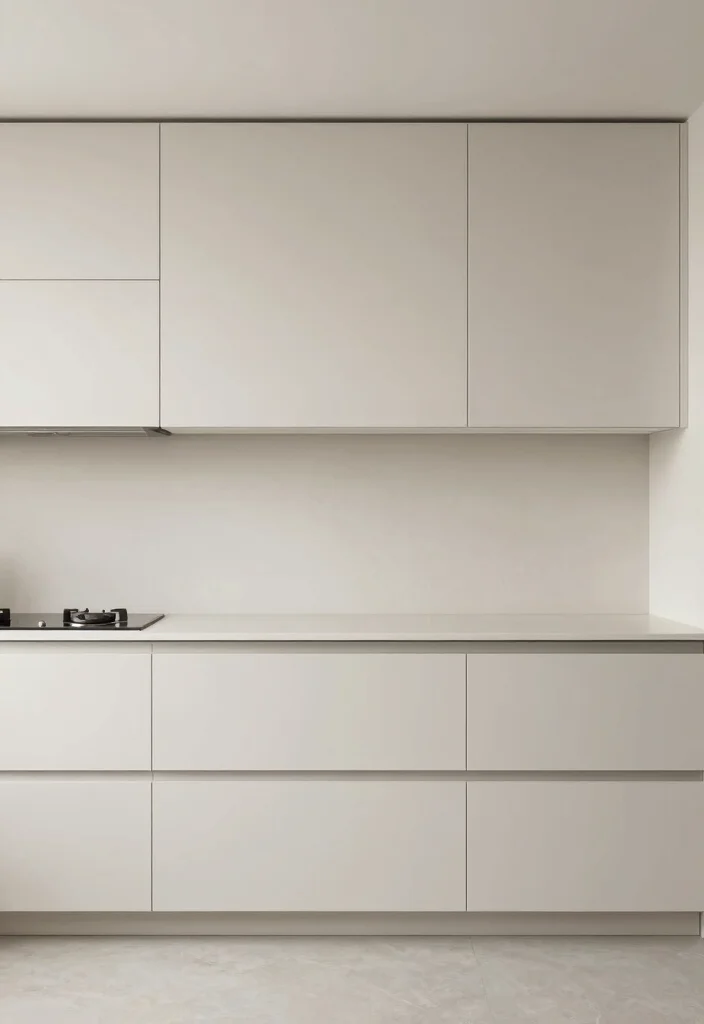
Minimalist kitchens focus on simplicity and functionality, creating serene environments for cooking. This design emphasizes clean lines and open spaces, allowing for a refreshing and uncluttered atmosphere. The essence of a minimalist kitchen is to keep distractions at bay while enjoying the beauty of well-chosen materials.
To achieve a minimalist kitchen, prioritize hidden storage solutions that keep countertops clear. Opt for a neutral color palette to evoke calmness, and incorporate high-quality materials that add a touch of elegance without overwhelming the senses.
Consider these elements to create a minimalist kitchen:
– Choose hidden storage solutions to keep countertops clear.
– Select a neutral color palette that feels calm and inviting.
– Incorporate high-quality materials that add a touch of luxury.
This layout not only looks chic but also promotes a stress-free cooking environment, allowing you to focus on the joy of cooking.
10. Compact Kitchen Layout
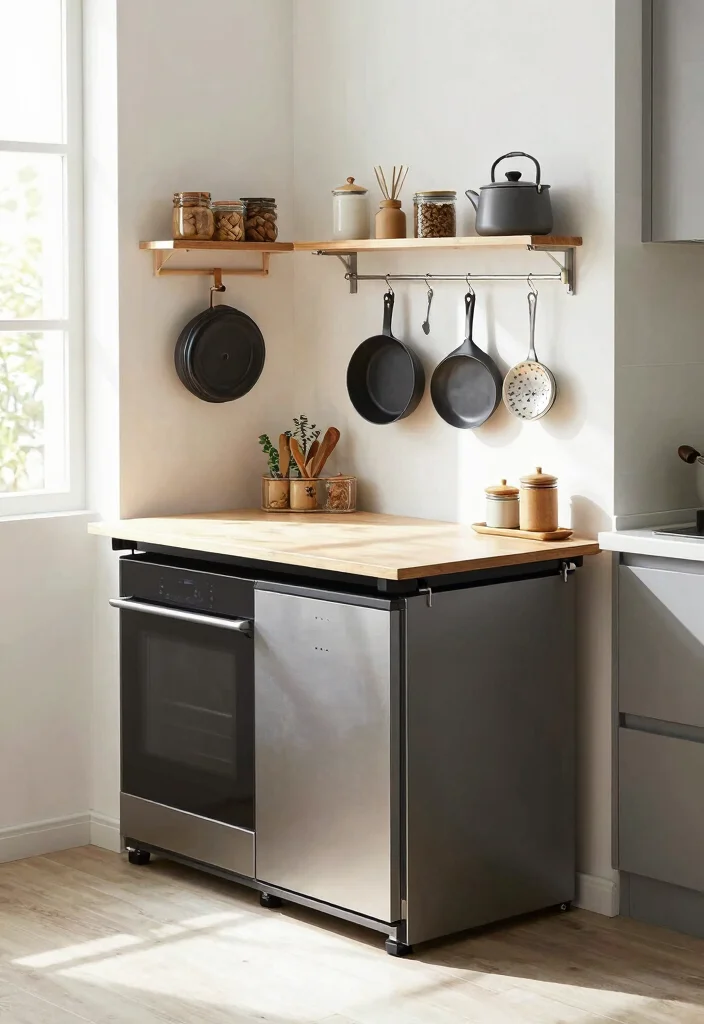
Compact kitchen layouts are ideal for studio apartments or small homes where space is limited. These designs prioritize maximizing functionality and style without overcrowding the area. A well-planned compact kitchen can be both efficient and attractive, making cooking a pleasure even in tight quarters.
To make the most of a compact kitchen, consider using built-in appliances that save space. Wall-mounted racks can replace bulky shelves while providing easy access to your essentials. A foldable dining table can serve double duty as prep space, ensuring you never run out of room.
Here are some tips for optimizing a compact kitchen:
– Use built-in appliances that save space.
– Opt for wall-mounted racks instead of bulky shelves.
– Choose a foldable dining table that can double as prep space.
With thoughtful planning, a compact layout can make cooking enjoyable, even in the smallest spaces.
11. Rustic Kitchen Layout
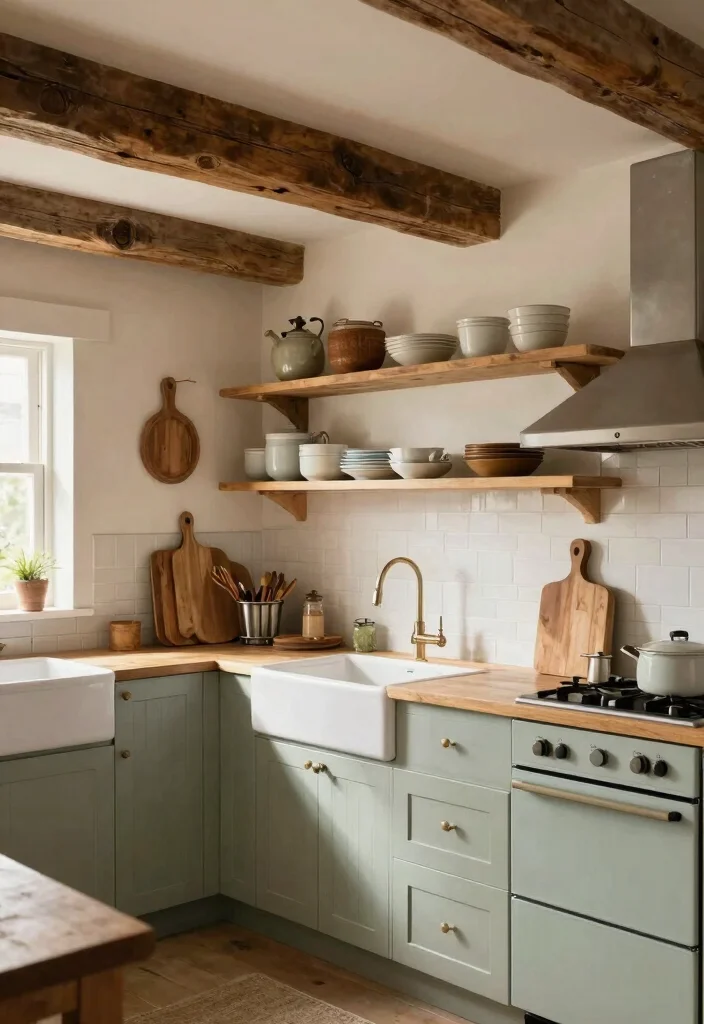
Rustic kitchens offer warmth and charm, making them a beloved choice for cozy homes. These layouts often showcase natural materials, vintage appliances, and a warm color palette that evokes a sense of comfort and nostalgia. The rustic style invites you to slow down and enjoy the cooking experience, creating a welcoming atmosphere.
To create a rustic kitchen, think about incorporating reclaimed wood accents in cabinets or beams for a touch of authenticity. Vintage-style fixtures can enhance the overall charm, while open shelving allows you to display beautiful dishes or cookbooks, adding character to the space.
Consider these elements to cultivate a rustic kitchen:
– Incorporate reclaimed wood accents in cabinets or beams.
– Use vintage-style fixtures for that charming feel.
– Add open shelving to display beautiful dishes or cookbooks.
This layout creates an inviting atmosphere where functionality meets warmth, making your kitchen a true heart of the home.
12. Contemporary Kitchen Layout
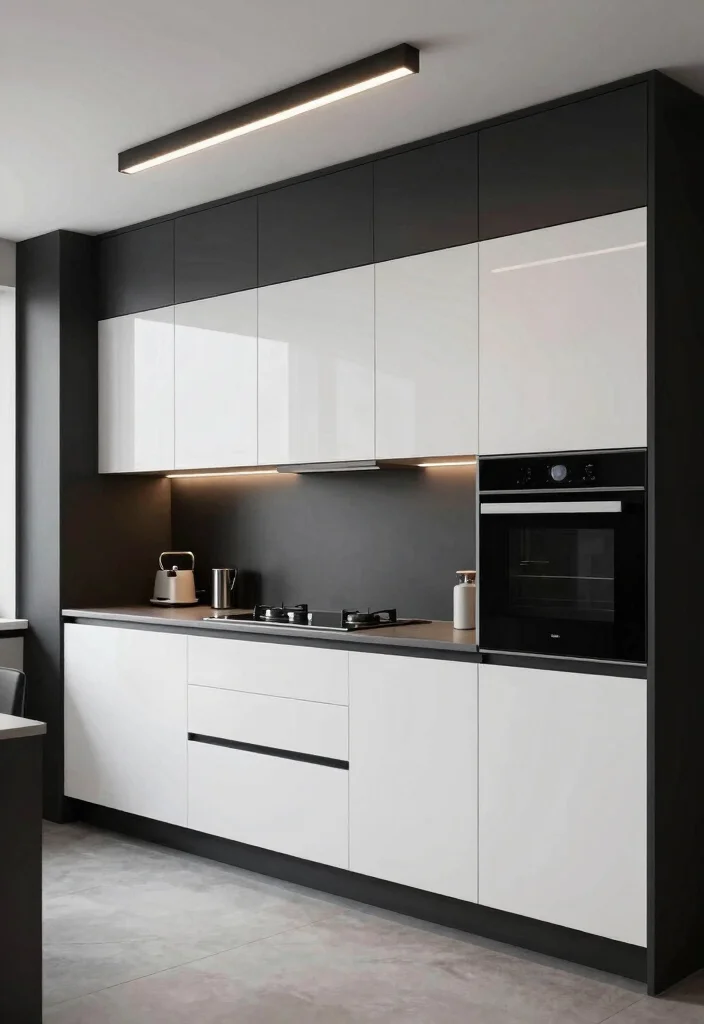
For those who appreciate modern design, a contemporary kitchen layout is the perfect fit. This design emphasizes sleek lines, cutting-edge technology, and innovative storage solutions, creating an elegant and functional space. A contemporary kitchen is not just about aesthetics; it’s about enhancing your cooking experience with efficiency.
To achieve a stunning contemporary kitchen, focus on high-gloss finishes for cabinets that provide a sleek look. Incorporate smart appliances that blend seamlessly into your design, and choose a bold statement light fixture to serve as a focal point. These elements work together to create a stylish yet functional environment.
Here are some ideas for your contemporary kitchen:
– Use high-gloss finishes on cabinets for a sleek aesthetic.
– Incorporate smart appliances that blend seamlessly into the design.
– Choose a bold statement light fixture to add a pop of style.
This layout not only looks stunning but also functions efficiently, making your cooking experience a modern pleasure.
13. Multi-Functional Kitchen Layout
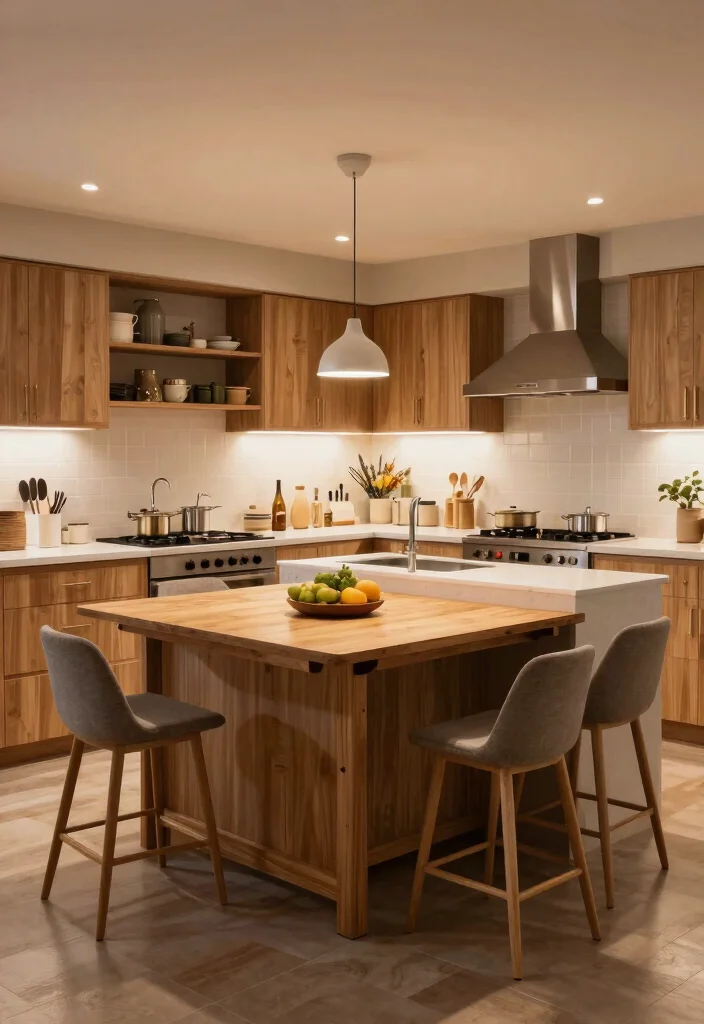
A multi-functional kitchen layout is designed to cater to various needs, from cooking to dining and entertaining. This approach incorporates flexible furniture and adaptable spaces that can transform based on your activities. It’s a creative way to maximize your kitchen’s potential while ensuring it serves multiple purposes.
To enhance your multi-functional kitchen, consider using an island that can double as both a prep area and a dining spot. Foldable or extendable tables can accommodate guests and provide versatility when hosting. Creating distinct zones for cooking, dining, and relaxing can elevate your kitchen experience.
Consider these elements in your multi-functional kitchen:
– Use an island that can serve as both a prep area and a dining spot.
– Include foldable or extendable tables to accommodate guests.
– Create zones for different activities like cooking, dining, and relaxing.
This layout enhances the kitchen experience, making it a vibrant hub in your home.
We all want a kitchen that does more with less. In this kitchen ideas layout, a multi-functional island doubles as prep space and casual dining, while foldable tables slip in when needed and tuck away afterward.
Multi-Functional Kitchen Layout
Editor’s Choice


14. Smart Kitchen Layout
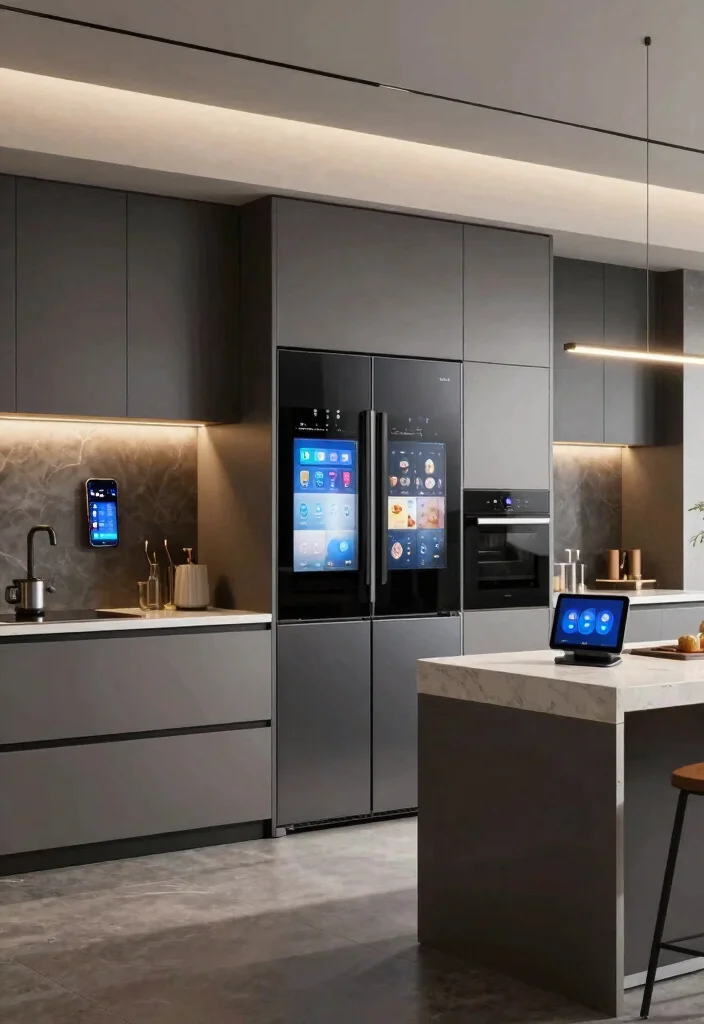
Smart kitchen layouts integrate technology to enhance efficiency and convenience in your cooking space. From smart appliances to automated lighting, these kitchens are designed to cater to modern lifestyles, making cooking a breeze. This approach not only simplifies tasks but also adds a touch of innovation to your home.
To create a smart kitchen, consider integrating appliances that can be controlled via your smartphone for ultimate convenience. Incorporating motion sensors for lighting and appliances can streamline your daily routines. App-connected devices can assist with meal planning and grocery lists, ensuring you stay organized.
Here are some ways to make your kitchen smarter:
– Integrate smart appliances that can be controlled via smartphone.
– Incorporate motion sensors for lighting and appliances.
– Utilize app-connected devices for meal planning and grocery lists.
This layout not only ensures a streamlined cooking process but also brings a modern touch to your home, creating a kitchen that works for you.
Smart Kitchen Layout
Editor’s Choice


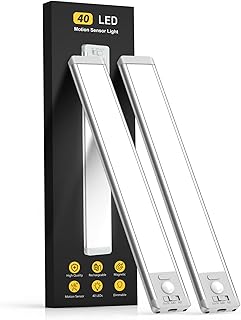

SmartShopper Grocery List Organizer with Embedded Thermal Printer (SS-101)
Conclusion
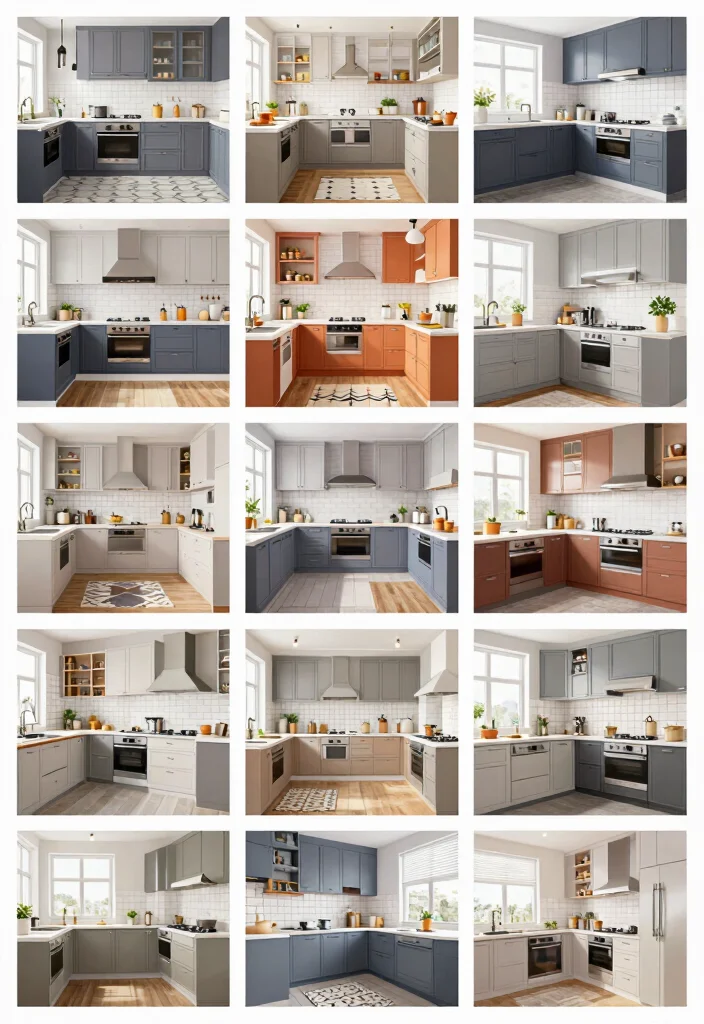
Whether you’re working with a small space or just looking to enhance your kitchen workflow, these 14 layout ideas are sure to inspire you.
From galley kitchens to contemporary designs, each layout offers unique solutions tailored to maximize functionality and style.
Embrace the trends that suit your needs and elevate your kitchen into a beautifully organized space.
Note: We aim to provide accurate product links, but some may occasionally expire or become unavailable. If this happens, please search directly on Amazon for the product or a suitable alternative.
This post contains Amazon affiliate links, meaning we may earn a small commission if you purchase through our links, at no extra cost to you.
Frequently Asked Questions
What is the best kitchen ideas layout for small kitchens to improve workflow?
Start with a clear work triangle and define zones for prep, cooking, and cleaning. In small kitchens, consider L or galley layouts and use wall shelves or magnetic organizers to maximize vertical storage. Choose compact appliances and keep counters clear to reduce clutter, and apply kitchen design tips that reinforce functional kitchen organization in a small space.
Small changes to layout can dramatically boost workflow.
How can I design an open concept kitchen for better workflow in a small space?
Open concept kitchens are great for light and socializing, but they need smart zoning to stay practical. Create visual boundaries with a slim island, different countertop heights, or varying cabinet finishes to separate cooking, dining, and living areas. Keep major appliances against the walls and store rarely used items elsewhere to maintain flow. For balance, lean on open concept kitchens ideas and kitchen design tips that help sustain efficient kitchen layouts in a small space.
What practical tips can improve functional kitchen organization in a compact space?
To boost functional kitchen organization in a compact space, start by decluttering and grouping items by task. Add pull-out pantry shelves, adjustable racks, and labeled containers so the right tools are always at hand. Use vertical storage, under-sink organizers, and a dedicated daily-use station to cut steps and save time. Pair these with kitchen design tips for a practical, easy-to-use layout.
What mistakes should I avoid to create an efficient kitchen layout for a tiny kitchen?
Mistakes to avoid include ignoring the work triangle, which makes steps longer and fiddly, and choosing bulky, deep appliances that crowd counters. Don’t block drawers or windows, and avoid cluttered upper cabinets that trap sightlines. Plan for efficient kitchen layouts with clear traffic paths and adequate lighting. Also test the space with temporary furniture before finalizing to ensure the layout actually works in your daily routine.
How can I balance style and practicality when choosing a small kitchen solutions layout?
Balancing style and practicality in small spaces means choosing durable finishes and a cohesive color palette, plus multi-functional pieces. Look for small kitchen solutions like fold-down counters, wall-mounted tables, and built-in storage that hide clutter. Keep a simple, timeless aesthetic to make the space feel larger, and tailor the layout to your daily routines with kitchen ideas layout concepts in mind.