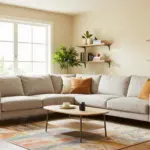
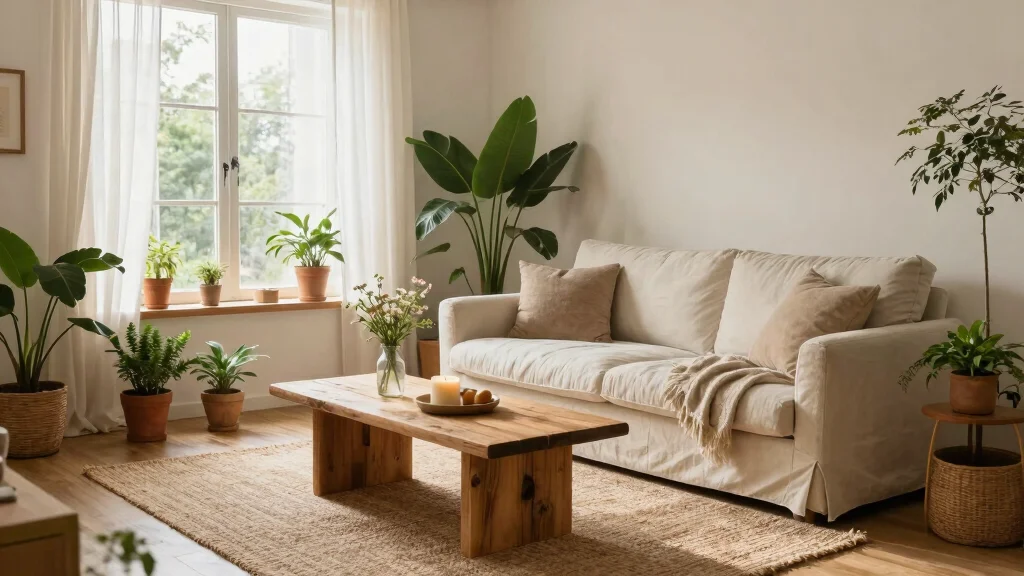
Creating a stylish, modern living room can feel overwhelming, especially when you want to make choices that are kind to our planet. With so many design options available, it’s easy to get lost in trends that might not align with your values. That’s why I put together this guide on 15 Living Room Design Ideas for Modern Everyday Living. These ideas embrace sustainability without sacrificing style or comfort. If you care about creating an eco-friendly space that feels welcoming, you’re in the right place.
This post is for anyone looking to refresh their living area with modern designs that reflect their personal taste and commitment to the environment. You might be a busy parent wanting a cozy spot for family gatherings or a young professional seeking a tranquil retreat after a long day. Whatever your lifestyle, these ideas focus on stylish furniture arrangements, color palette inspiration, and contemporary home accents to help you create a living room that works for you.
You will discover practical, eco-friendly tips that not only enhance your living space but also promote a healthier planet. From incorporating sustainable furniture to choosing the right indoor plants, these ideas will inspire you to design a living room that feels fresh and modern. By the time you finish this guide, you’ll have a toolkit of ideas to transform your living room into a stylish sanctuary that blends comfort and sustainability.
Key Takeaways
– Embrace Natural Textures: Incorporate elements like wood, stone, and organic fabrics to add warmth and a touch of nature to your living room.
– Choose Earthy Color Palettes: Opt for colors inspired by nature, such as greens, browns, and soft neutrals that create a calming atmosphere.
– Sustainable Furniture Arrangements: Select furniture that is not only stylish but also made from sustainable materials. This helps reduce your carbon footprint while maintaining aesthetics.
– Incorporate Indoor Plants: Adding greenery improves air quality and brings life into your space. Choose low-maintenance plants if you’re short on time.
– Use Energy-Efficient Lighting: Install LED bulbs or smart lighting solutions to save energy and create a cozy ambiance in your living room.
1. Embrace Natural Textures
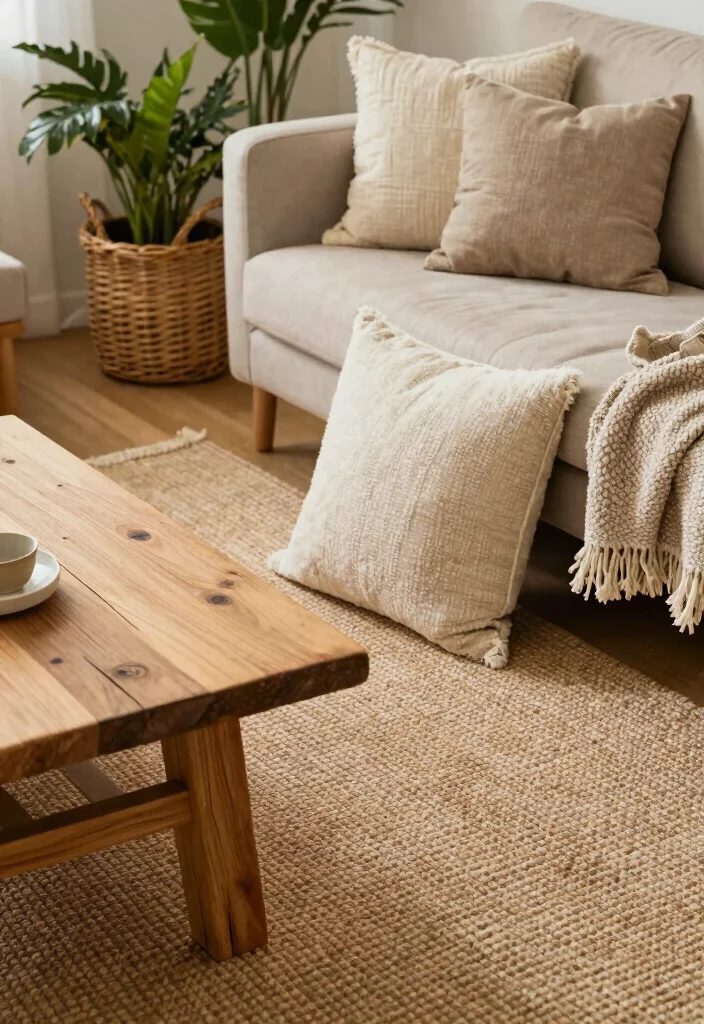
Incorporating natural textures into your living room sets the stage for a warm and inviting atmosphere. Elements like jute, wool, and linen not only provide visual interest but also resonate with a sustainable mindset. For instance, a plush wool throw draped over a jute rug creates an inviting contrast that enhances comfort while remaining stylish.
To effectively implement these textures, consider layering them thoughtfully. Look for budget-friendly options at local markets or thrift stores to find unique pieces. This trend aligns beautifully with the growing desire for eco-friendly living spaces that reflect personal style.
Consider these practical tips to enhance your texture game:
– Pair a jute rug with soft wool throws on your sofa.
– Use linen cushions on chairs for a light, airy feel.
– Incorporate rattan elements like a coffee table or storage baskets.
This approach not only adds depth to your decor but also supports an eco-conscious lifestyle, creating a cozy yet sophisticated living environment.
Embrace Natural Textures
Editor’s Choice
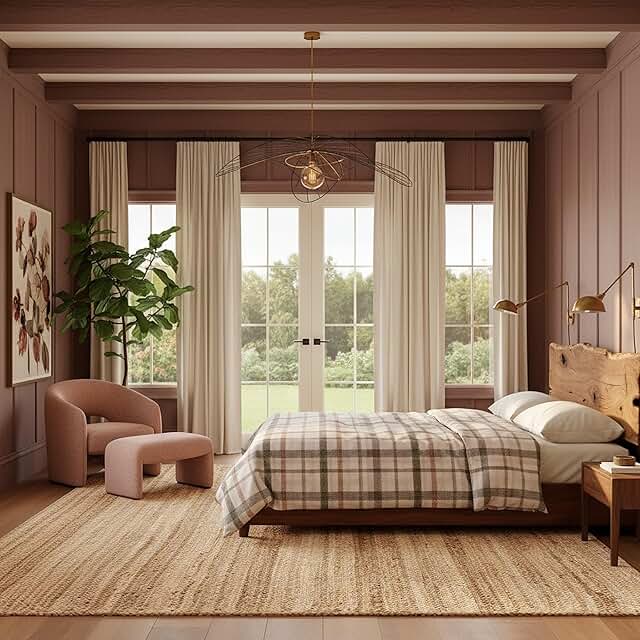



2. Choose Earthy Color Palettes
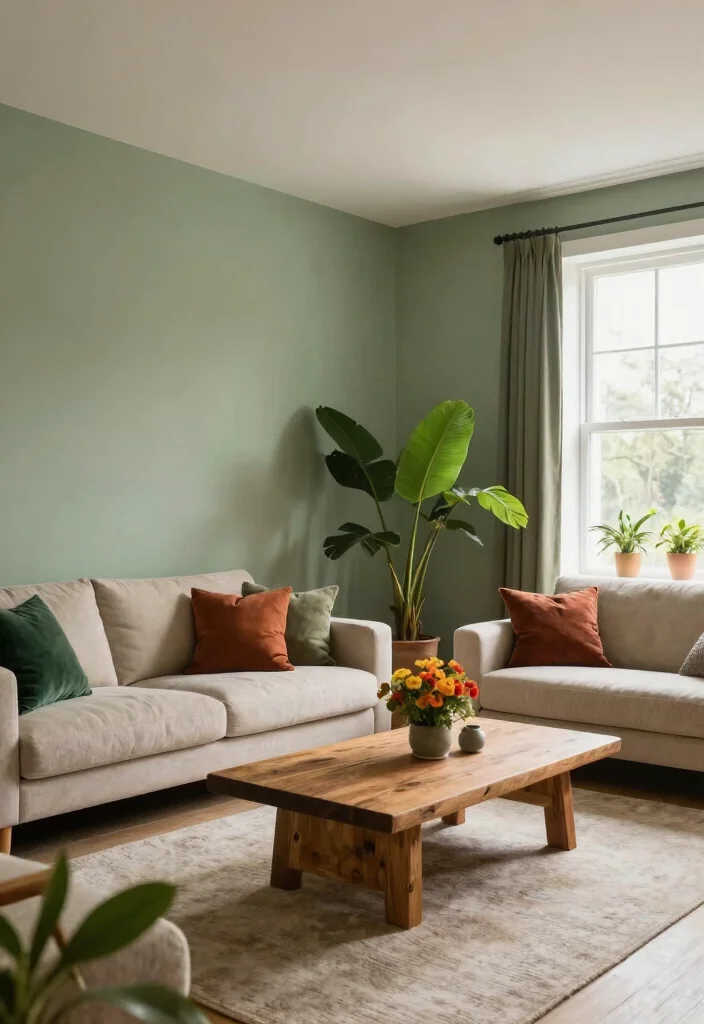
Utilizing an earthy color palette can seamlessly connect your living room to the beauty of nature. Shades like soft greens, muted browns, and sandy beiges evoke a sense of tranquility and warmth. This combination provides versatility, allowing you to accent with vibrant plants or art pieces for added character.
To bring this palette to life, start with paint or upholstery in earthy tones and layer in accessories that highlight your chosen colors. Affordable options are available at local stores or online, making it easy to refresh your space without overspending.
Explore these color pairings to create a harmonious look:
– Use soft sage green walls with terracotta accents.
– Choose a warm beige sofa complemented by deep forest green throw pillows.
– Add pops of sunset orange or mustard yellow through decor items.
This thoughtful color selection not only fosters a serene atmosphere but also beautifully highlights sustainable design elements in your living room.
3. Sustainable Furniture Arrangements
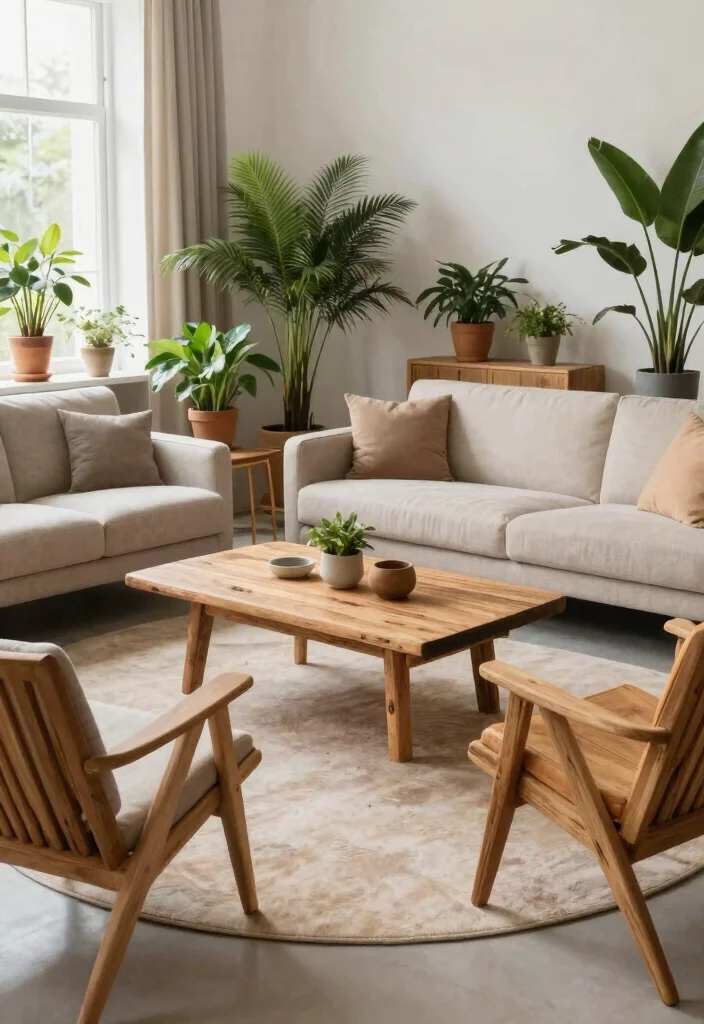
Designing a sustainable furniture arrangement means selecting pieces that are stylish yet environmentally conscious. Opt for furniture made from recycled materials or sustainably sourced wood, promoting a responsible lifestyle. An open layout can encourage conversation and create an inviting atmosphere, making your living room feel more spacious.
Consider arranging your furniture to facilitate movement and interaction. Multi-functional pieces can also maximize space while being practical. This design philosophy aligns with current trends prioritizing sustainability and functionality.
Apply these arrangement strategies for a more inviting space:
– Position seating to encourage conversation; avoid placing furniture against walls.
– Use a bench that doubles as storage for added functionality.
– Create circular arrangements for gatherings to enhance social interaction.
This intentional layout elevates the eco-friendly vibe while ensuring your living room serves multiple purposes.
4. Incorporate Upcycled Decor
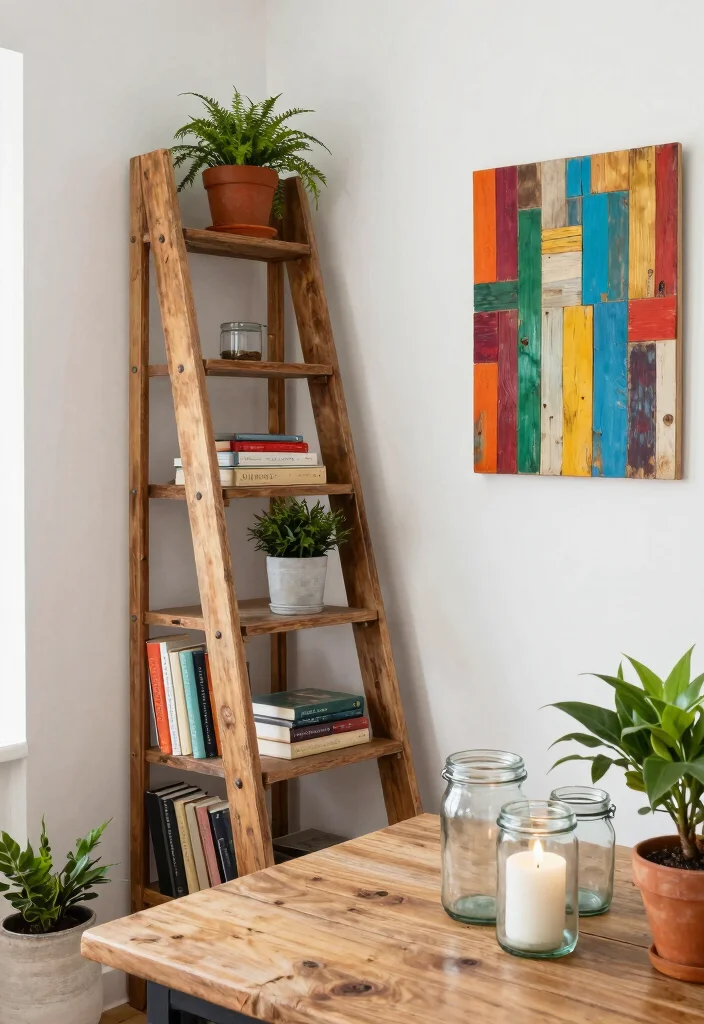
Upcycling decor is a fantastic way to infuse your living room with unique character while reducing waste. Transforming items like an old ladder into a bookshelf or repurposing vintage frames for art creates a personal touch. Each piece tells a story, showcasing your creativity and commitment to sustainability.
When exploring upcycling options, keep an eye out for hidden gems at thrift stores or garage sales. This not only supports sustainability but also allows for a unique expression of your style.
Try these upcycling ideas to add charm:
– Use old crates as functional shelves or side tables.
– Turn glass jars into stylish candle holders.
– Frame salvaged wood to create an eye-catching art piece.
These creative additions not only personalize your living space but also serve as conversation starters, enhancing your home’s charm.
5. Go Green with Indoor Plants
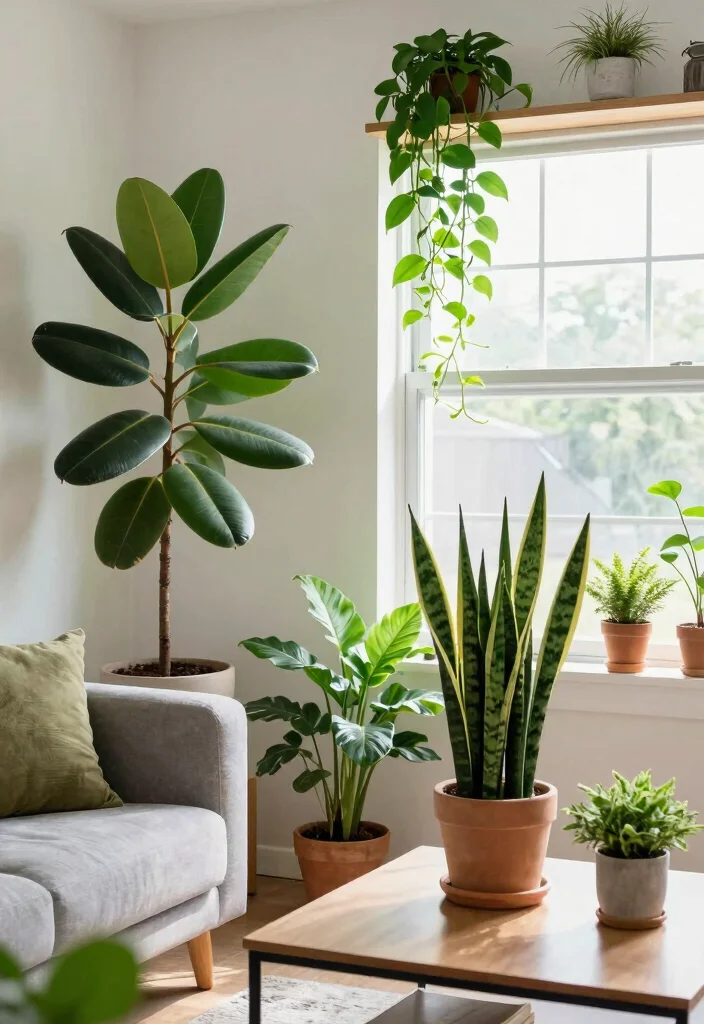
Introducing indoor plants into your living room is an excellent way to enhance aesthetics and improve air quality. Select low-maintenance plants that fit your decor style while adding a touch of nature. Grouping plants at varying heights can create visual interest and draw the eye.
To make plant care easier, choose varieties that thrive in your living conditions. Local nurseries often have a great selection, and many plants are budget-friendly. This trend aligns with the broader desire for a calming, green environment in homes.
Consider these plant options to green your space:
– Utilize snake plants for their easy-care nature.
– Incorporate pothos for trailing vines and lush foliage.
– Find rubber plants to serve as bold statement pieces.
Adding greenery not only livens up your space but also reinforces your commitment to sustainable living.
Go green and simplify your space. Indoor plants aren’t just decor; they make everyday living calmer and airier. For easy design living room ideas, start with two budget-friendly plants at different heights for instant impact.
6. Use Energy-Efficient Lighting
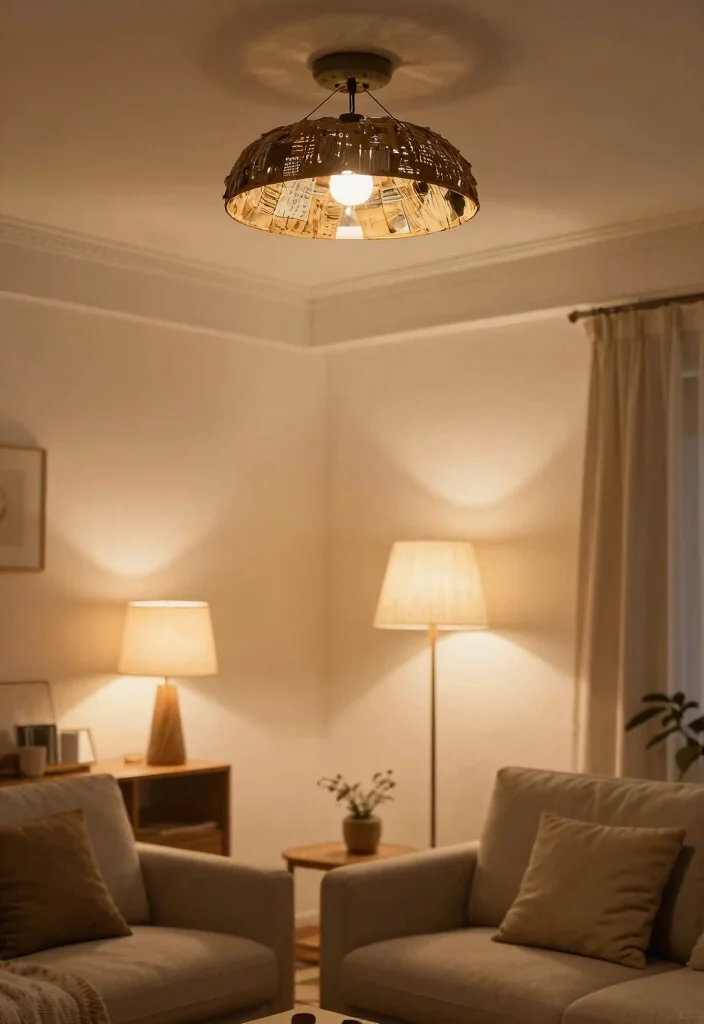
Energy-efficient lighting is essential in crafting a sustainable living room. Opt for LED bulbs that consume less energy while offering a longer lifespan. Layer your lighting by combining ambient, task, and accent lights to cultivate a warm and inviting atmosphere.
Choose fixtures that prioritize energy efficiency and consider adding dimmable options for flexibility. This thoughtful approach helps promote a cozy environment while supporting eco-friendly practices.
Implement these lighting strategies to enhance your space:
– Select fixtures made from recycled materials.
– Incorporate dimmable lighting for adjustable ambiance.
– Use lamps with natural shades for softer light diffusion.
This mindful approach not only conserves energy but also enriches the overall ambiance of your living room.
Cost Breakdown & Budget Planning
Planning a living room redesign can be exciting but also requires careful budgeting. Let’s break down the costs so you can manage your finances effectively while creating your dream space.
Cost Breakdown by Category:
– Materials/Products: Expect to spend between $500 to $2,500. This range covers eco-friendly furniture, fabrics, and decor.
– Tools/Equipment: If you are DIYing, tools may cost around $50 to $300. This includes paintbrushes, rollers, and possibly a power drill.
– Labor/Professional Installation: Hiring professionals can vary greatly, typically from $200 to $1,000 depending on the complexity of the work.
– Optional Extras: Think about adding smart home devices or art pieces, which can range from $100 to $1,500.
Budget Tier Breakdown:
Basic Economy Tier £/€/$
– What’s included: This tier offers the most affordable options like second-hand furniture and basic decor items. You might use budget paint and minimal accessories.
– Good for: Those who want to refresh their living room on a tight budget.
– Limitations: You may miss out on quality materials and stylish finishes, resulting in a less cohesive look.
Mid-Range Tier ££/€€/$$
– What’s included: This option balances cost and quality. You can purchase solid furniture pieces, decent fabrics, and some decorative accents.
– Good for: Most homeowners looking for stylish yet affordable solutions.
– Best value for: Creating a modern and inviting space without breaking the bank.
Premium Tier £££/€€€/$$$
– What’s included: High-quality materials, designer furniture, and unique art pieces. You can also invest in sustainable options.
– Good for: Those who want a luxurious living room with lasting quality.
– Worth it if: You plan to spend a lot of time in your living room or want to increase home value.
Money-Saving Tips:
– Shop Second-Hand: Look for vintage furniture at thrift stores or online marketplaces. You can often find unique pieces at a fraction of the cost. ✔
– DIY Decor: Create your own wall art or upcycle old furniture. This adds personal touches without high costs. 🎨
– Buy in Bulk: Purchase paint or other materials in larger quantities to save money. This can really cut costs. 🛒
– Use What You Have: Rearranging existing furniture can give your space a fresh look at no extra cost. 🏡
Where to Splurge:
– Sustainable Furniture: Investing in high-quality, eco-friendly pieces pays off in durability and design. Good furniture lasts longer and can reduce energy use.
– Smart Home Solutions: If you’re looking for convenience, investing in smart lighting or thermostats can enhance the comfort of your living space. They often lead to savings on energy bills over time.
– Quality Rugs: A good rug can tie a room together and provide comfort and warmth. Opt for natural fibers that are both durable and stylish.
By understanding these costs and planning carefully, you can transform your living room into a stylish and sustainable space that reflects your taste and values. With these tips and budget tiers, you’re set to create an inviting and functional living area without overspending!
7. Focus on Minimalism
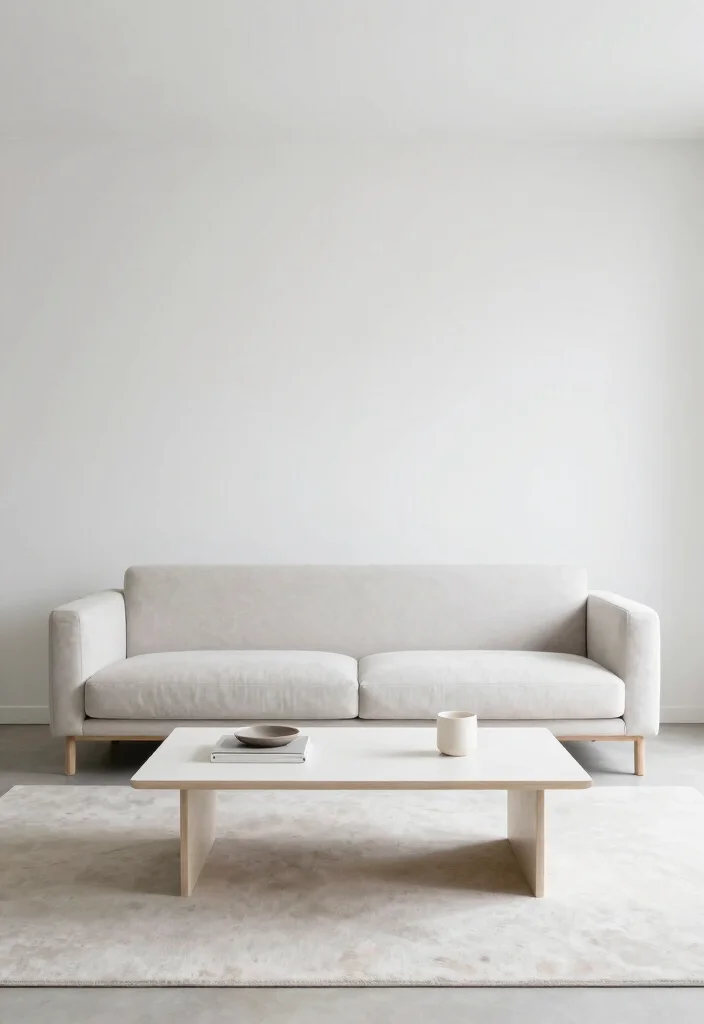
Embracing minimalism is a refreshing way to create a clean and sustainable living room. By focusing on essential pieces and reducing clutter, you can achieve a spacious and serene atmosphere. This style encourages mindful consumption and promotes investing in high-quality, timeless furniture.
To implement minimalism, select multifunctional furniture and limit decor to a few meaningful items. Open spaces allow light to flow freely, enhancing the overall feel of your home.
Use these minimalism tips to refine your space:
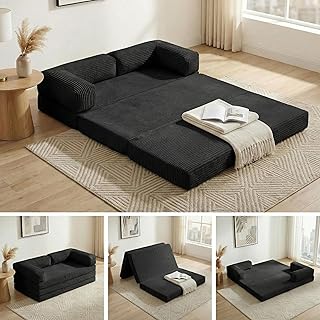
– Choose multifunctional furniture, like a sofa bed.
– Limit decor to a few cherished pieces.
– Embrace open spaces to let light shine through.
This aesthetic not only feels modern but also contributes to a sustainable lifestyle, creating a calming retreat at home.
Focus on Minimalism
Editor’s Choice



8. Display Art from Local Artists
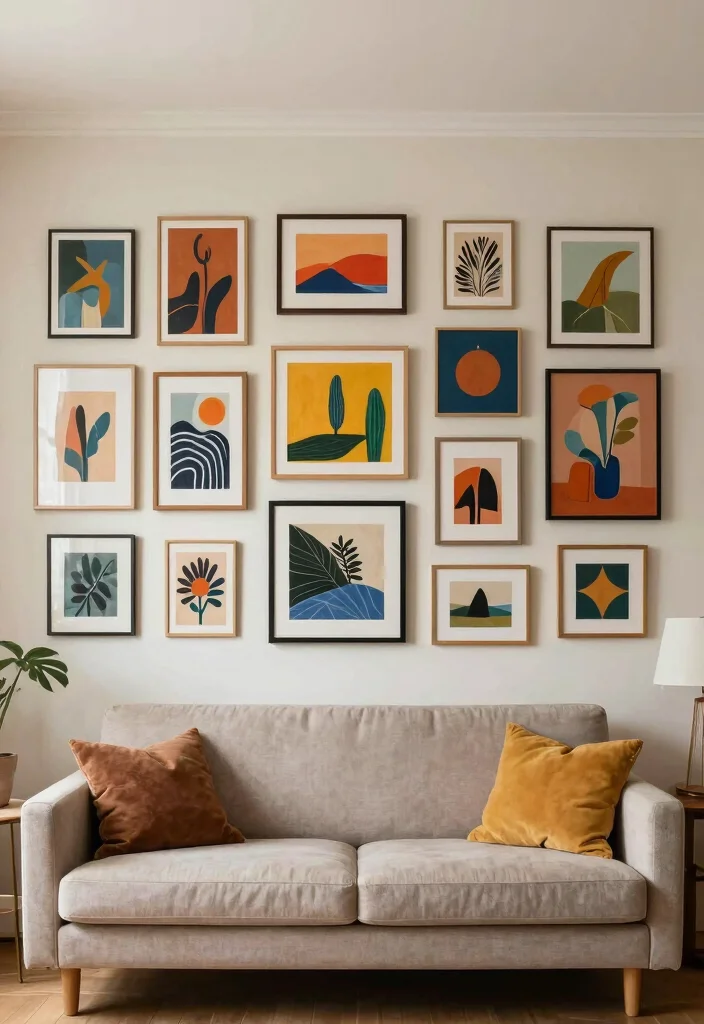
Curating art from local artists enriches your living room while supporting your community. Look for pieces created with sustainable materials or methods to enhance your decor. This choice not only beautifies your space but also inspires conversations about creativity and sustainability.
To display art effectively, consider creating a gallery wall that mixes sizes and frames for visual interest. Regularly swapping out pieces keeps the decor fresh and engaging. This trend promotes a sense of connection to the local art scene.
Explore these art display tips for a unique touch:
– Create a gallery wall with various sizes and styles.
– Frame artwork using reclaimed wood for an eco-friendly look.
– Rotate pieces periodically to refresh your decor.
Supporting local talent through art displays adds character and depth to your living space.
Display art from local artists and watch your design living room ideas come to life. Swap pieces every few weeks, mix frames, and choose sustainable materials to keep things fresh and eco-friendly. Your guests will notice the story behind every piece.
9. Incorporate Recycled Materials
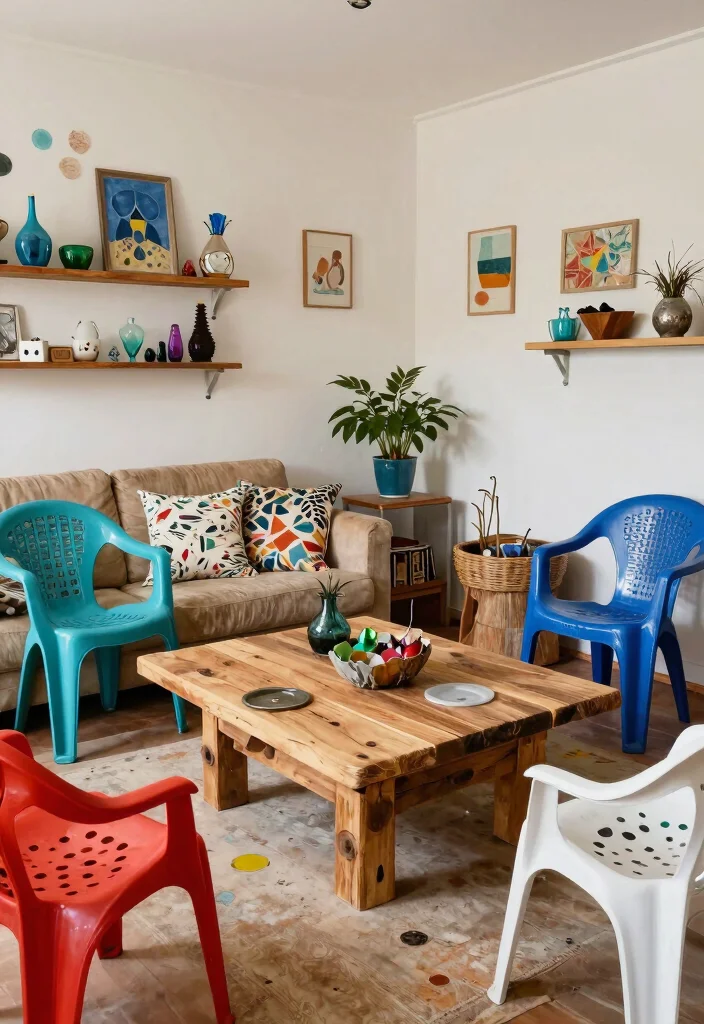
Integrating recycled materials into your living room design significantly reduces your carbon footprint. Furniture and decor crafted from recycled items not only boast unique character but also contribute to a sustainable lifestyle. Look for pieces that tell a story, such as a coffee table made from reclaimed wood or decor created from upcycled glass.
When sourcing recycled materials, explore local shops or online marketplaces for unique finds. This approach not only beautifies your space but also aligns with a mindful consumption mindset.
Consider these ideas to incorporate recycled materials:
– Choose furniture made from recycled metals or plastics.
– Use decor items crafted from repurposed wood.
– Invest in textiles made from recycled fibers.
This thoughtful approach enhances your living room’s appeal while promoting eco-conscious choices.
10. Use Eco-Friendly Fabrics
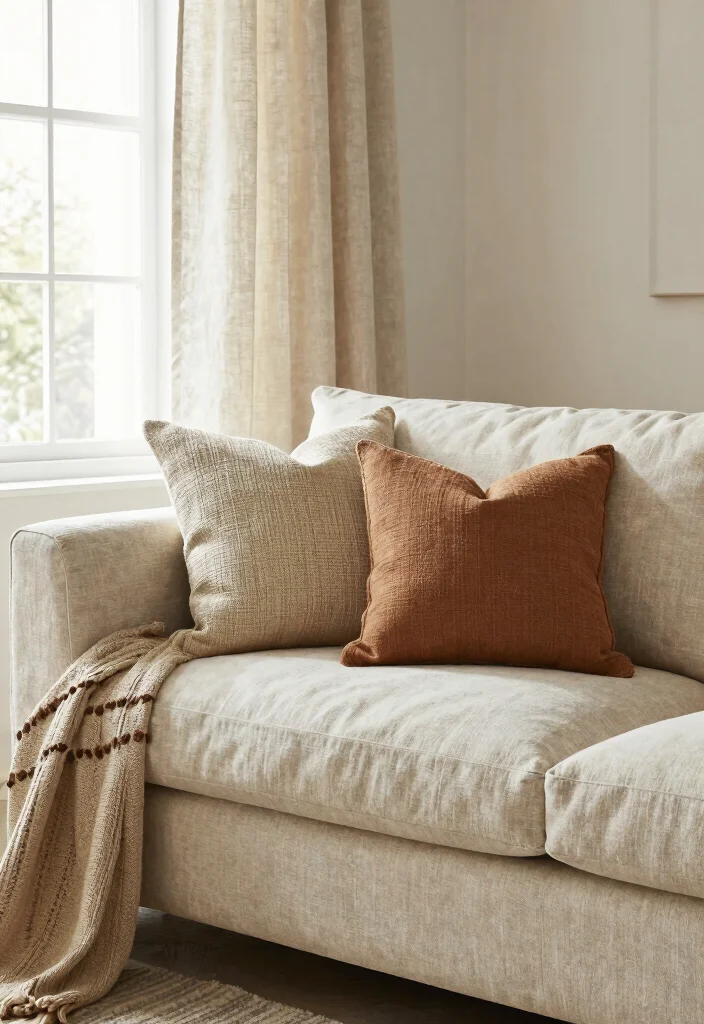
Selecting eco-friendly fabrics for upholstery and curtains enhances comfort while prioritizing the environment. Look for sustainable materials like organic cotton, linen, or bamboo that are gentle on the planet and free from harmful chemicals. These fabrics not only feel luxurious but also contribute to a healthier indoor environment.
When choosing fabrics, consider their durability and aesthetic appeal. Many local retailers offer eco-friendly options, making it easy to refresh your living space responsibly.
Explore these fabric options to elevate your decor:
– Opt for organic cotton for its softness and longevity.
– Choose linen, which requires less water during production.
– Incorporate hemp for its strength and eco-friendliness.
Using these materials can transform your living room while maintaining a commitment to sustainability.
Fun fact: Switching to eco-friendly fabrics like organic cotton and linen can slash indoor chemical exposure by up to 40%. Not only do these materials feel luxurious, they support sustainable design living room ideas you can implement this weekend.
11. Create a Cozy Reading Nook
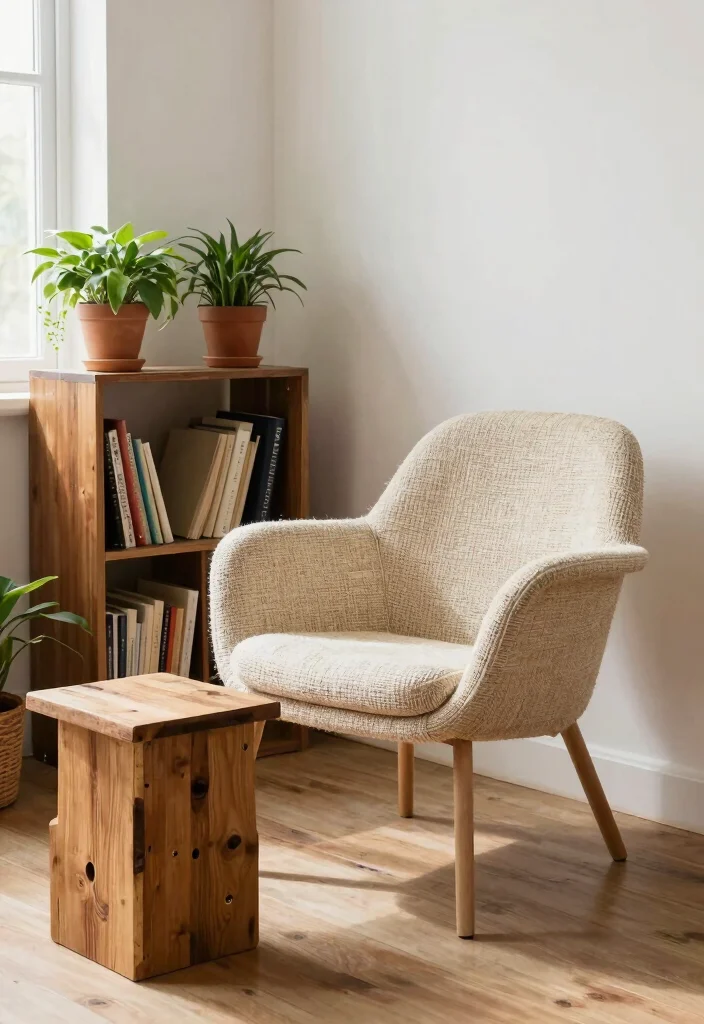
Designing a cozy reading nook within your living room offers a personal retreat. Choose sustainable materials for this space; consider an ergonomic chair made from recycled materials paired with a reclaimed wood side table. Soft textiles and good lighting are essential for optimal reading conditions.
For a functional nook, focus on comfort and accessibility. Incorporate items that enhance relaxation, like plush cushions or a soft blanket. This cozy corner can become a cherished spot for quiet moments.
Include these essentials for your reading nook:
– A comfortable chair with eco-friendly cushions.
– A small bookshelf crafted from repurposed wood.
– Ample natural light or adjustable LED lighting.
Creating this inviting space encourages relaxation while featuring eco-conscious design elements.
Create a Cozy Reading Nook
Editor’s Choice


12. Use Vintage Finds
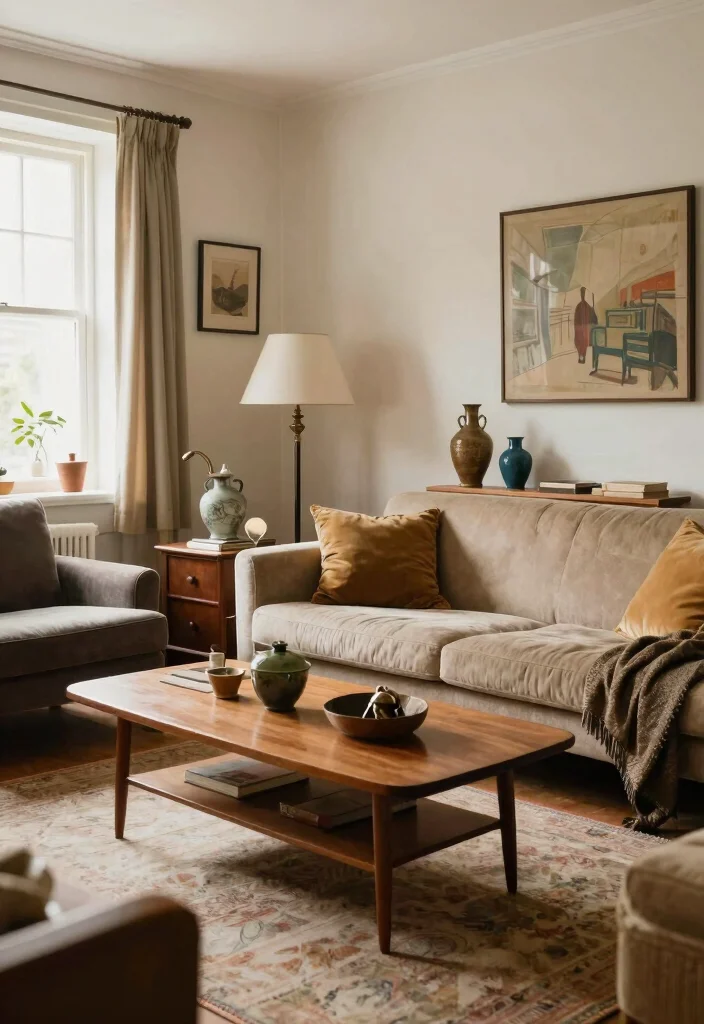
Incorporating vintage finds into your living room infuses unique style and promotes sustainability. Seek items at thrift stores, flea markets, or online platforms to discover hidden treasures. Vintage pieces carry a charm and history that new items often lack, enhancing your decor’s character.
When hunting for vintage finds, prioritize quality over quantity. A few well-chosen pieces can create a striking statement. Consider the stories behind each item to add personal significance to your space.
Explore these tips for finding vintage treasures:
– Seek quality over quantity; select a few standout pieces.
– Combine vintage with modern elements for a stylish contrast.
– Embrace the story behind each find to enrich your decor.
These unique additions not only enhance your living room but also promote thoughtful consumption.
13. Opt for Low-VOC Paints
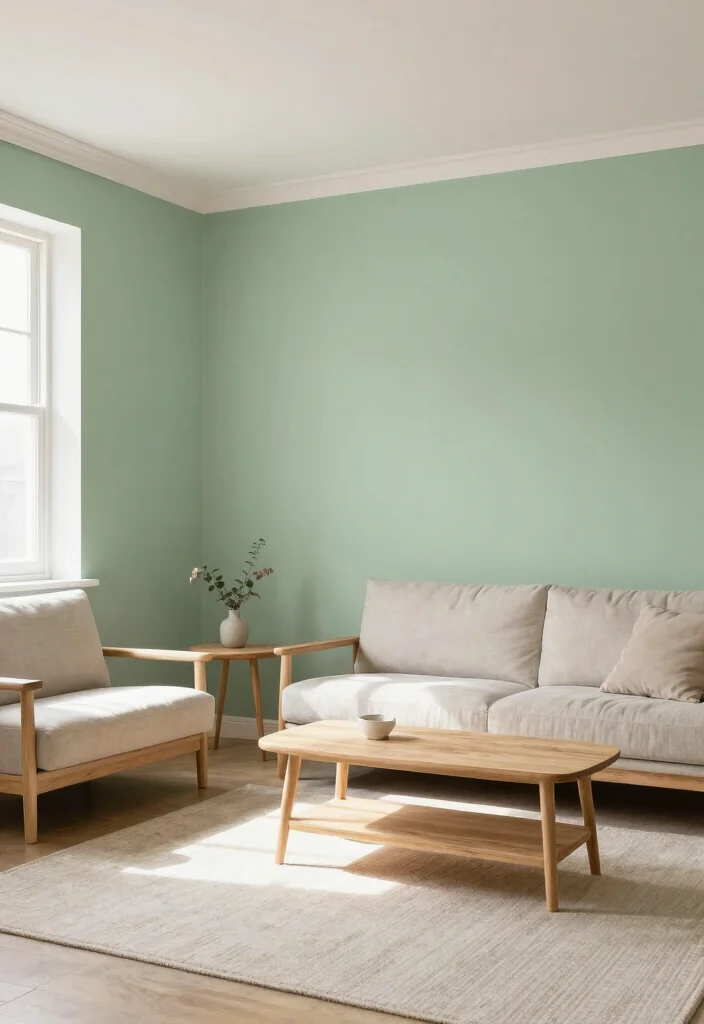
When refreshing your living room, consider using low-VOC (volatile organic compounds) paints. These paints are beneficial for indoor air quality and often made with sustainable ingredients. Choose colors that complement your earthy palette for a cohesive look.
Testing paint samples before committing helps ensure the right color and finish for your space. Many brands offer eco-friendly primers and finishes to enhance your project’s sustainability.
Use these painting tips for a successful refresh:
– Test paint samples on walls to see variations in light.
– Opt for environmentally friendly primers and finishes.
– Consider a matte finish for a modern, sophisticated look.
This approach not only beautifies your space but also safeguards your health and the environment.
Opt for Low-VOC Paints
Editor’s Choice




14. Incorporate Smart Home Solutions

Integrating smart home technology into your living room can enhance its sustainability. Utilizing energy-efficient devices reduces your carbon footprint while adding convenience to your daily routine. Devices like smart thermostats and automated lighting help optimize energy usage effortlessly.
When selecting smart home solutions, prioritize options that are user-friendly and align with your lifestyle. These technologies can seamlessly integrate with your decor, creating a modern living environment.
Consider these smart solutions to elevate your space:
– Use smart plugs to control devices remotely.
– Install automated blinds to maximize natural light.
– Implement energy monitoring systems to track usage.
By embracing these technologies, you create a modern living space that supports eco-friendly practices.
15. Create a Functional Layout
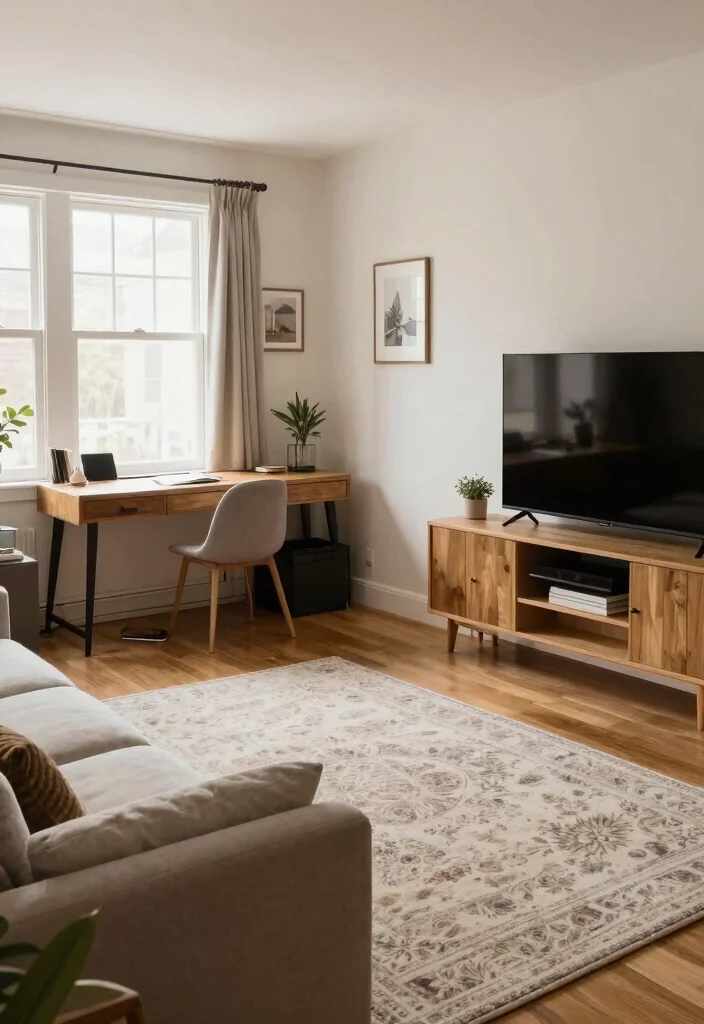
Designing a functional layout for your living room allows the space to serve multiple purposes. Consider how you use your room and design it accordingly to create zones for relaxation, entertainment, and work. Thoughtful furniture arrangement and decor can enhance the flow and usability of your space.
To achieve a functional layout, use area rugs to define separate areas and keep pathways clear for easy movement. This intentional approach ensures that each zone is cohesive in style and function.
Incorporate these functional layout tips:
– Use area rugs to delineate distinct spaces.
– Maintain clear pathways for effortless movement.
– Ensure each area reflects a unified style and purpose.
This versatile layout boosts the practicality of your living room while maintaining a stylish and sustainable atmosphere.
Create a Functional Layout
Editor’s Choice


Conclusion
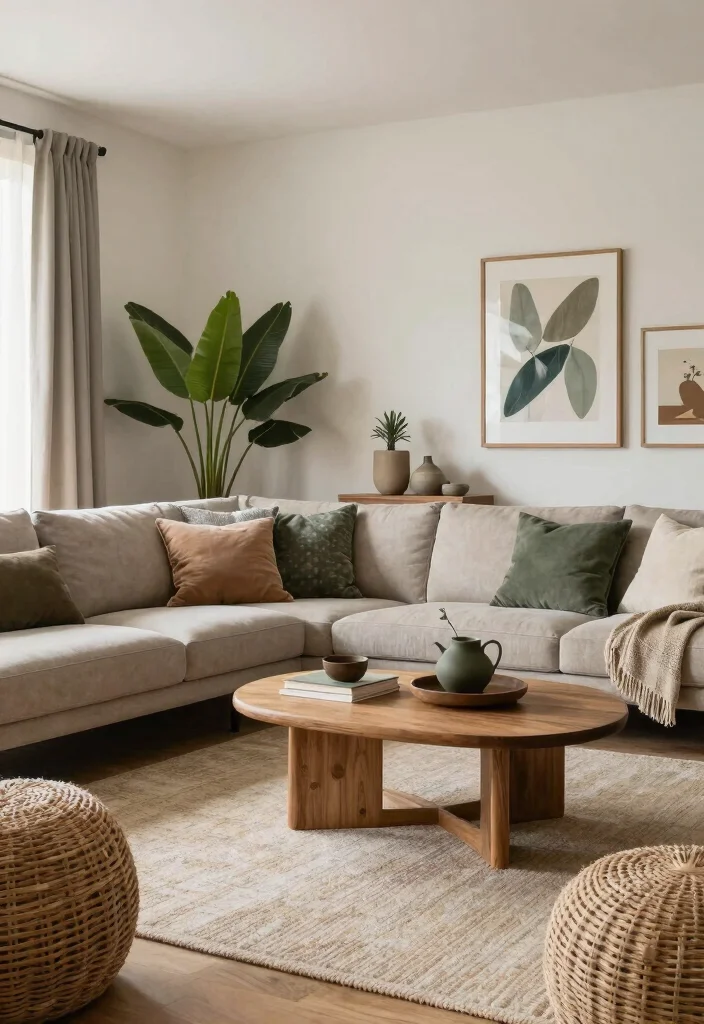
Revamping your living room with these sustainable design ideas not only enhances your space but also contributes positively to the environment. By focusing on eco-friendly materials, mindful decor choices, and functional layouts, you can create a stylish haven that reflects your values. Embrace the beauty of modern living while being kind to our planet!
Note: We aim to provide accurate product links, but some may occasionally expire or become unavailable. If this happens, please search directly on Amazon for the product or a suitable alternative.
This post contains Amazon affiliate links, meaning we may earn a small commission if you purchase through our links, at no extra cost to you.
Frequently Asked Questions
What are some design living room ideas for a sustainable, modern everyday space?
Here are practical design living room ideas for a sustainable, modern everyday space:
Choose eco-friendly materials like reclaimed wood, bamboo, or cork for furniture and flooring, paired with low-VOC paints and natural fabrics.
Go with space-saving solutions such as modular sofas, wall-mounted shelves, and nesting tables to maximize every inch.
Opt for modern living room decor that features clean lines and durable pieces you’ll love for years, rather than fast-fashion items.
Incorporate energy-efficient lighting (LEDs, dimmers, smart controls) to cut energy use while setting mood.
Add greenery for natural texture and better air quality, and consider contemporary home accents made from recycled or upcycled materials.
Finish with a cohesive color palette inspired by nature to keep the space calm and unified.
How can I create modern living room decor with space-saving solutions?
To achieve modern living room decor with space-saving solutions, start with a plan that fits your room’s proportions: measure and sketch zones for seating, storage, and circulation.
Choose a modular sofa and compact coffee table that can be rearranged; use wall-mounted storage and slim-profile media units to keep floors clear.
Opt for multi-functional pieces like an ottoman with storage or a sofa bed for guests, and use vertical space with shelves to maximize capacity without expanding footprint.
Pick fabrics from sustainable sources and low-VOC paints.
Layer in natural textures and energy-efficient lighting to maintain warmth and eco-friendly appeal.
What color palette inspiration works best for an eco-friendly living room?
Looking for color palette inspiration for an eco-friendly living room? Start with natural, soothing tones: warm beiges, soft greens, and earthy grays pair beautifully with sustainable materials.
Test swatches in different lighting and build a simple palette around 2–3 core neutrals plus one or two nature-inspired accents.
Use color palette inspiration that supports modern living room decor and keeps your space calm.
Consider paint with low VOCs, natural dyes for textiles, and ensure good contrast for accessibility.
Finish with accents in recycled metals or responsibly sourced woods for authentic eco-friendly style.
How can I create stylish furniture arrangements in a small, sustainable living room?
How can I create stylish furniture arrangements in a small, sustainable living room? Start with a clear focal point (a fire, artwork, or view) and arrange seating to encourage conversation without crowding traffic paths.
Use a compact sofa or sectional, a petite coffee table, and floating shelves to keep floor area open.
Position rugs to define zones, and consider space-saving solutions like nesting tables or ottomans with storage.
Choose stylish furniture arrangements that balance scale and function, and opt for materials with low environmental impact.
Keep cords organized with hidden storage and embrace vertical design to maximize utility.
Which contemporary home accents and eco-friendly finishes can upgrade my living room?
From contemporary home accents to eco-friendly finishes, here are upgrades for an eco-friendly living room: choose upcycled metals, reclaimed wood, or natural stone for statement pieces; pick finishes with low or no VOCs; incorporate energy-efficient lighting and smart controls; add living plants and natural textiles; use sustainable textiles and certified wood furniture.
Accessorize with décor made from recycled or responsibly sourced materials to elevate your space while staying true to sustainable design.
With these contemporary home accents and eco-friendly finishes, you can create a stylish, durable, and low-impact living room.