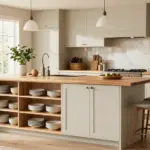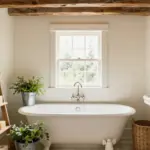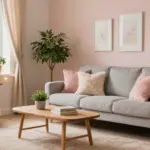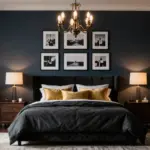
Creating a cozy and functional living room can feel like a puzzle, especially when you’re dealing with limited space. You might find yourself scrolling through endless photos of elegant interiors, wondering how to achieve that look in your own home. That’s why I put this list of 14 living room extension ideas together. These ideas are designed to help you maximize every inch of your space while still creating a warm, inviting atmosphere.
If you’re someone who loves home decor but feels constrained by a small living area, this post is for you. Whether you’re looking to entertain guests, create a peaceful retreat, or simply make your living room feel more spacious, these ideas will inspire you. You’ll discover practical and creative ways to extend your living room’s potential without the need for a renovation. From clever furniture choices to smart design tips, these solutions will enhance your space and your everyday life.
By the end of this article, you’ll have access to a variety of strategies that are both stylish and functional. Each idea will help you create a living room that feels open and airy, even if square footage is tight. Let’s dive in and explore how you can transform your small living space into an area that truly reflects your personality and lifestyle.
Key Takeaways
– Open Concept Layout: Consider knocking down non-load-bearing walls to create a more spacious feel, allowing for better flow and light.
– Utilize Vertical Space: Shelves and tall bookcases can draw the eye upward, making ceilings feel higher and rooms more expansive.
– Space-Saving Furniture: Opt for furniture that doubles as storage, such as ottomans or coffee tables with hidden compartments.
– Mirrors for Illusion of Space: Strategically placed mirrors can reflect light and create the illusion of depth, making your living room feel larger.
– Multi-Functional Spaces: Design your living room to serve multiple purposes, combining areas for both relaxation and work to maximize functionality.
1. Open Concept Layout
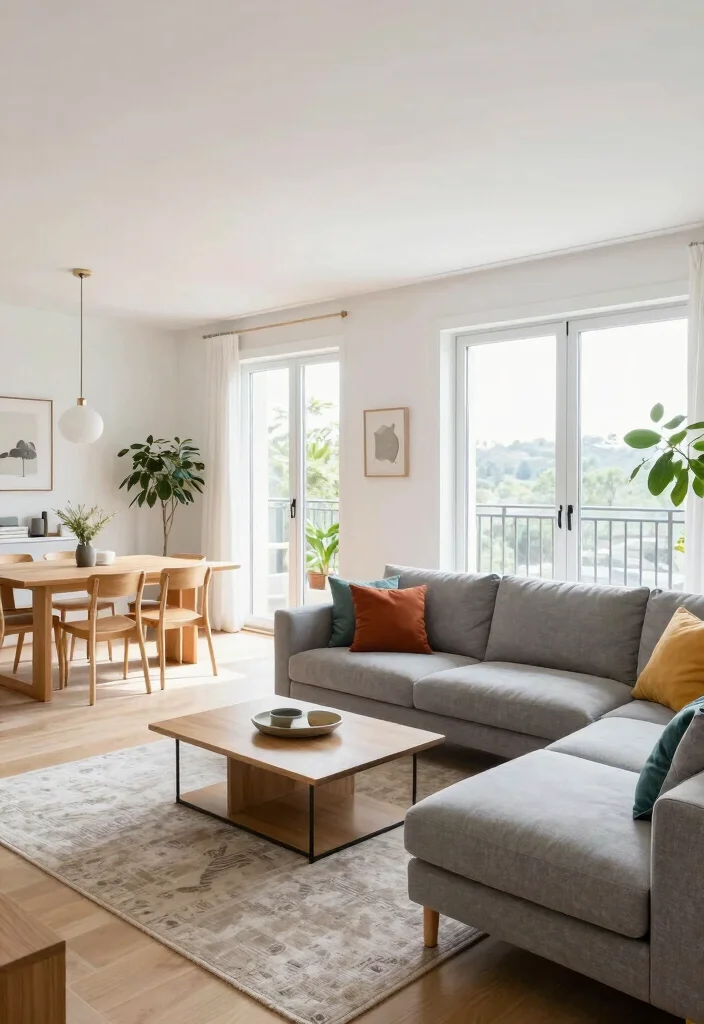
Embracing an open concept layout can revolutionize your living space by creating a seamless flow between rooms. This design principle harnesses natural light and fosters a sense of connection, making your living area feel larger and more inviting. Imagine airy spaces where your living room merges effortlessly with your dining area, enhanced by light-colored walls and minimalist furniture that encourages movement and interaction.
To achieve this look effectively, consider these practical tips. Opt for lightweight furniture that won’t obstruct sightlines and use area rugs to define different zones within the space. Multifunctional pieces, like an ottoman that doubles as storage, can also help keep clutter at bay while enhancing functionality.
Maximize this design with these suggestions:
– Pair a light-colored sectional with a sleek coffee table.
– Install open shelving to maintain an airy feel.
– Use a large area rug to define your living space.
– Incorporate a few bold accents for personality.
This design approach not only expands your living area visually but also enhances the overall aesthetic with a warm, welcoming vibe that encourages gatherings and connection.
Cost Breakdown & Budget Planning
Planning a living room extension can feel overwhelming, especially when considering costs. Here’s a detailed breakdown to help you manage your budget effectively. Whether you’re looking to create an open concept layout or add space-saving furniture, knowing what to expect can guide your decisions.
Cost Breakdown by Category:
– Materials/Products: Expect to spend between $500 to $3,000. This range includes everything from paint and flooring to furniture and decorative elements.
– Tools/Equipment: If you’re a DIY enthusiast, tools may cost you around $100 to $500. This includes basics like drills, saws, and levels.
– Labor/Professional Installation: Hiring a professional can set you back $1,000 to $5,000 depending on the complexity of the project. Keep in mind that some tasks, like electrical work, may require licensed professionals.
– Optional Extras: Additional features like custom shelving or unique lighting could add $200 to $1,500 to your total cost. These extras can enhance the overall look and feel of your space.
Budget Tier Breakdown:
Basic Economy Tier £/€/$
– What’s included: This tier focuses on essential features only. Think basic paint, simple furniture, and minimal decor.
– Good for: Perfect for those on a tight budget or looking to do quick updates.
– Limitations: You may miss out on high-quality materials and unique design elements that could elevate your space.
Mid-Range Tier ££/€€/$$
– What’s included: This balanced option combines quality materials with thoughtful design choices. Expect to invest in better furniture and some decorative items.
– Good for: Ideal for small families or anyone wanting a comfortable living area that looks great.
– Best value for: Most people find this tier provides the best balance between quality and cost, giving you a stylish, functional living room without breaking the bank.
Premium Tier £££/€€€/$$$
– What’s included: This option includes premium materials, professional design services, and custom features that stand out.
– Good for: Suitable for homeowners looking for a high-end finish and willing to invest significantly in their space.
– Worth it if: You have specific needs or desires, like a unique layout or custom-built furniture that requires skilled craftsmanship.
Money-Saving Tips:
– Shop Sales: Keep an eye out for seasonal sales on furniture and home decor. You can save a lot with a bit of patience.
– DIY Where Possible: Consider tackling small tasks yourself, like painting or assembling furniture. This can significantly reduce labor costs.
– Repurpose Items: Look around your home for items you can repurpose instead of buying new. A fresh coat of paint can give old furniture new life!
– Choose Affordable Materials: Opt for budget-friendly materials that still look good. For instance, laminate flooring can mimic hardwood without the steep price tag.
Where to Splurge:
– Quality Furniture: Investing in durable, space-saving furniture can pay off in the long run. Look for pieces that offer comfort and style without compromising quality.
– Lighting Fixtures: Good lighting can change your room’s atmosphere. Spending more on unique or energy-efficient fixtures will enhance both aesthetics and functionality.
– Custom Storage Solutions: If you’re limited on space, investing in built-ins or custom shelving can maximize your storage while making your room feel larger.
With this budget guide in hand, you’re better equipped to take on your living room extension project. You’ll be able to create a beautiful, functional space that meets your needs without financial stress. Happy decorating!
2. Utilize Vertical Space
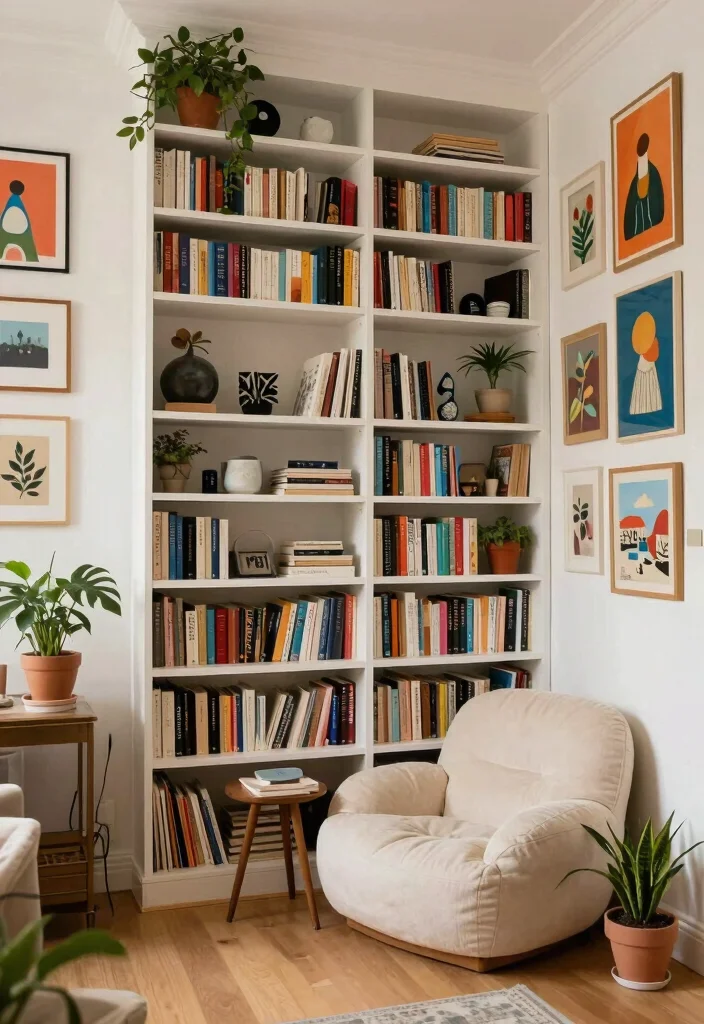
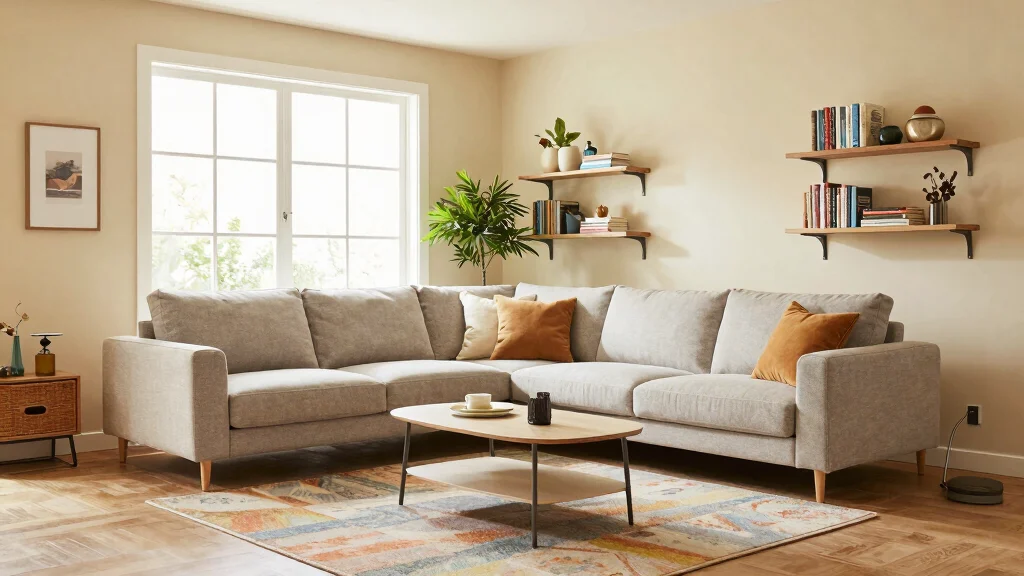
When floor space is limited, utilizing vertical space can dramatically change the perception of your living room. Tall bookshelves or floating shelves not only provide essential storage but also draw the eye upward, creating an illusion of height. Imagine a cozy nook where your favorite books are displayed, enhancing both style and function while making the room feel more spacious.
To make the most of vertical space, focus on practical solutions. Install shelves above eye level for seldom-used items and consider tall houseplants that naturally guide the gaze upwards. Artwork hung higher than usual can also contribute to the sense of height and openness.
Incorporate these ideas:
– Install floating shelves to showcase decor and books.
– Use tall plants to add height and greenery.
– Hang art pieces above furniture for a stylish look.
By strategically choosing vertical storage options, you can keep your floor space open while expressing your unique style through curated decor.
Small living rooms can feel cramped, but vertical space is one of the best living room extension ideas. Add tall shelves and floating storage, and watch the room grow taller, calmer, and more organized. Practical, stylish solutions you can implement this weekend.
3. Space-Saving Furniture
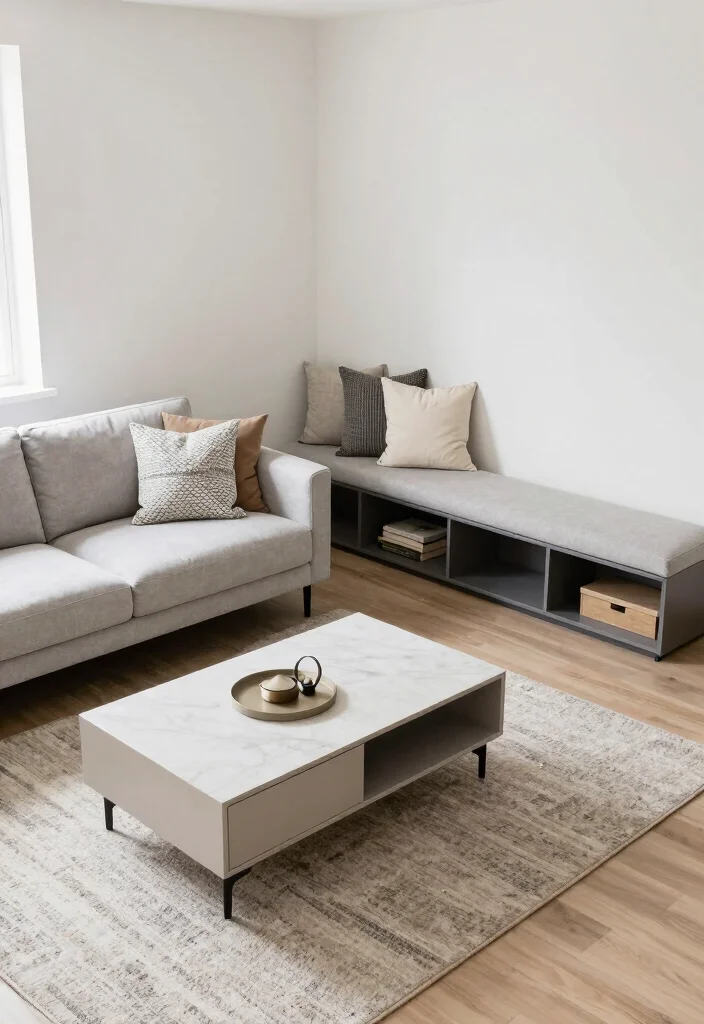
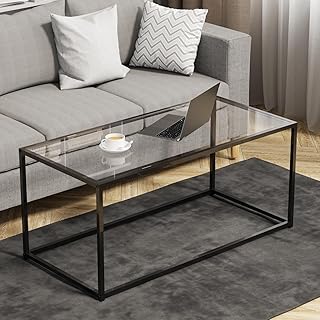
Selecting space-saving furniture is essential for optimizing smaller living rooms. Look for versatile pieces that serve multiple functions, such as a coffee table with hidden storage or an ottoman that can act as both seating and a footrest. This clever approach allows you to maintain a stylish and organized space without sacrificing comfort or functionality.
Consider integrating these space-saving solutions into your design. Sofa beds can accommodate guests without taking up extra room, while nesting tables can be tucked away when not in use. Stylish storage benches can provide both seating and a place to hide clutter.
Explore these practical options:
– Choose a sofa bed for versatile guest accommodations.
– Use nesting tables for flexible surface space.
– Incorporate a stylish storage bench for added seating.
These innovative designs help you maximize your living room’s capacity while keeping it looking chic and organized.
Space-Saving Furniture
Editor’s Choice




4. Mirrors for Illusion of Space
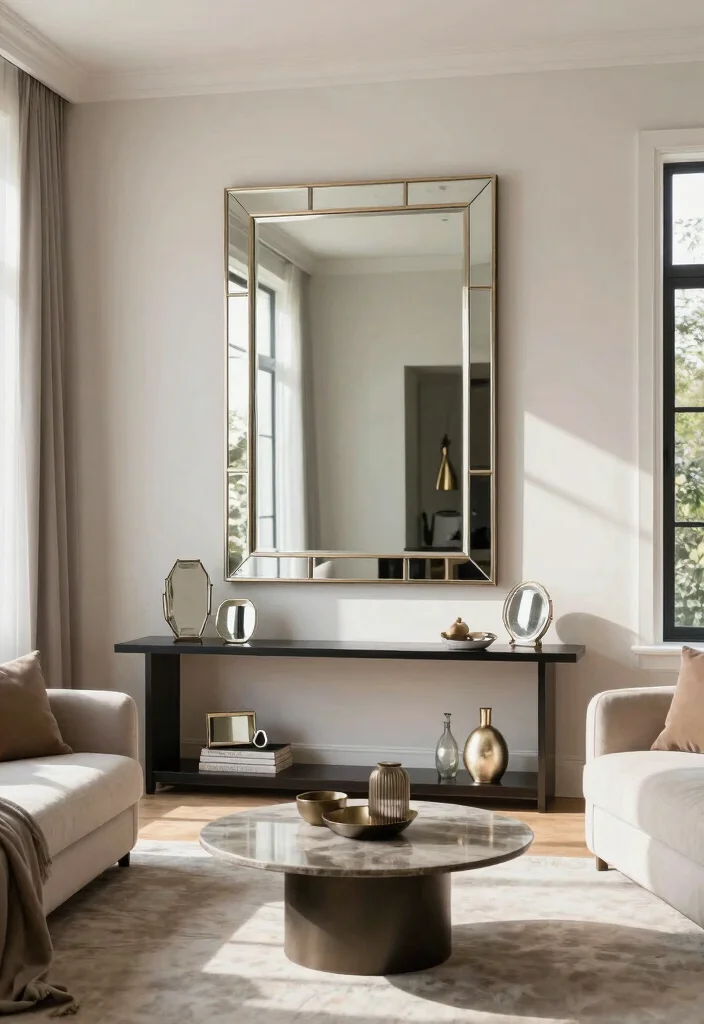
Mirrors are a timeless element in interior design, especially beneficial in smaller living areas. They reflect light and create an expansive feeling, helping to visually enlarge the space. Imagine a strategically placed mirror that captures natural light, instantly brightening your living room and making it feel more open.
To effectively harness the power of mirrors, hang a large one opposite a window to maximize light flow. Consider using mirrored furniture for depth and a gallery wall featuring various mirror styles for added interest and personality.
Try these mirror tricks:
– Hang a large mirror to reflect natural light.
– Use mirrored furniture to enhance visual depth.
– Create a gallery wall with different mirror shapes.
Not only do mirrors create an airy atmosphere, but they also serve as striking decor elements that elevate your living space.
5. Color Scheme Considerations
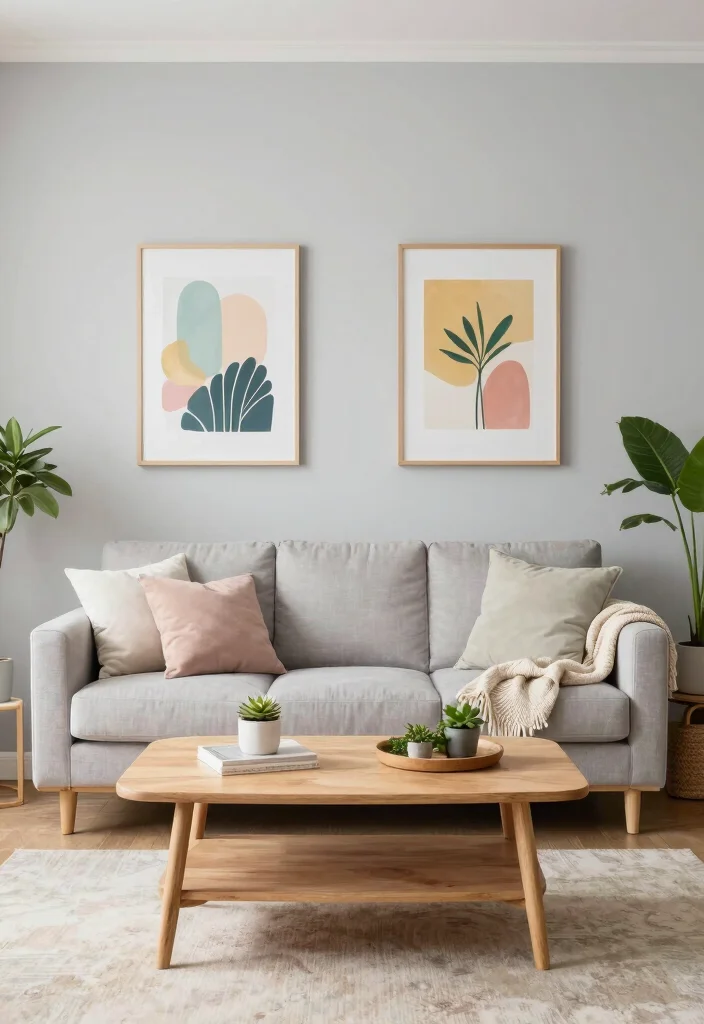
The right color scheme can dramatically influence the perception of your living room. Lighter colors can open up a space, while deeper shades add depth and coziness. Imagine a serene palette of soft pastels or neutral tones that keeps the atmosphere light and inviting while allowing you to introduce vibrant accents through decor.
To create a harmonious color palette, choose light neutrals or pastels for your main tones and add darker accents through decorative items like cushions or throws. Maintaining a consistent color theme throughout the room can enhance the overall cohesion of the design.
Consider these color tips:
– Opt for light neutrals to keep your space airy.
– Use dark accents to add contrast and interest.
– Maintain a consistent palette for a cohesive look.
This thoughtful approach fosters an inviting atmosphere that feels both spacious and harmonious, showcasing your style effortlessly.
6. Invest in Built-Ins
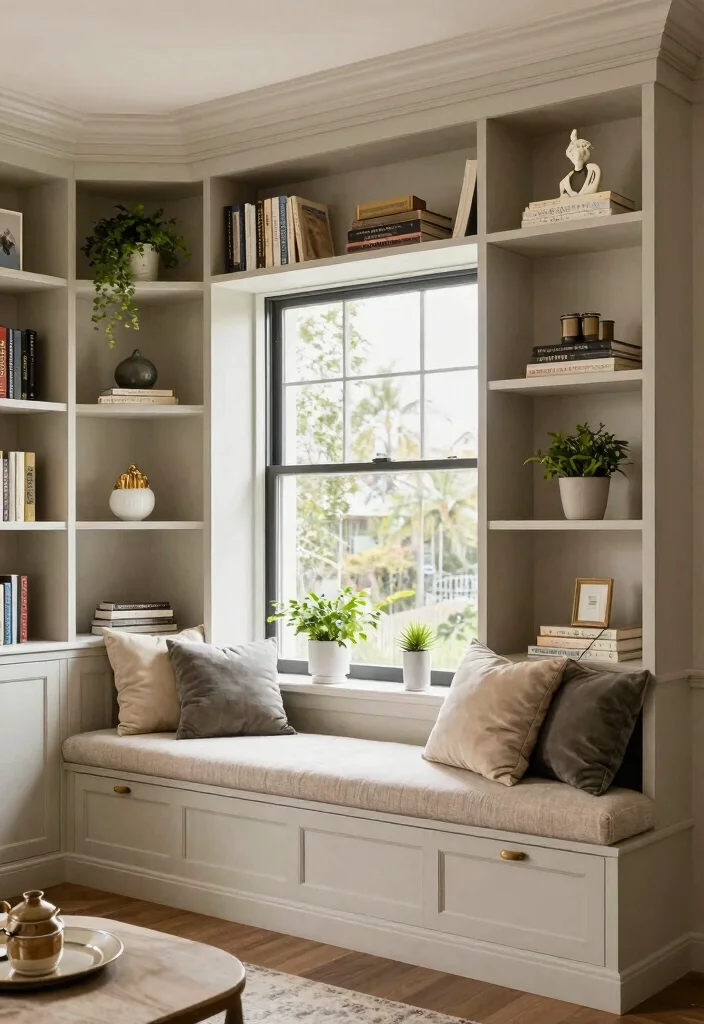
Built-in furniture offers a unique blend of functionality and style, making it a fantastic option for maximizing your living room space. Whether you choose a built-in bookshelf, entertainment unit, or a cozy window seat, these installations can enhance the overall aesthetics while providing essential storage.
To make the most of built-ins, consider creating an entertainment center to house your media equipment or designing a reading nook with storage beneath the seat. Incorporating shelving into alcoves can also add character without taking up valuable floor space.
Explore these built-in ideas:
– Create a functional entertainment center for media.
– Design a cozy reading nook with hidden storage.
– Incorporate shelving into alcoves for added decor.
This tailored approach not only maximizes storage but also lends a polished look to your living space, ensuring everything has its place.
7. Layered Lighting
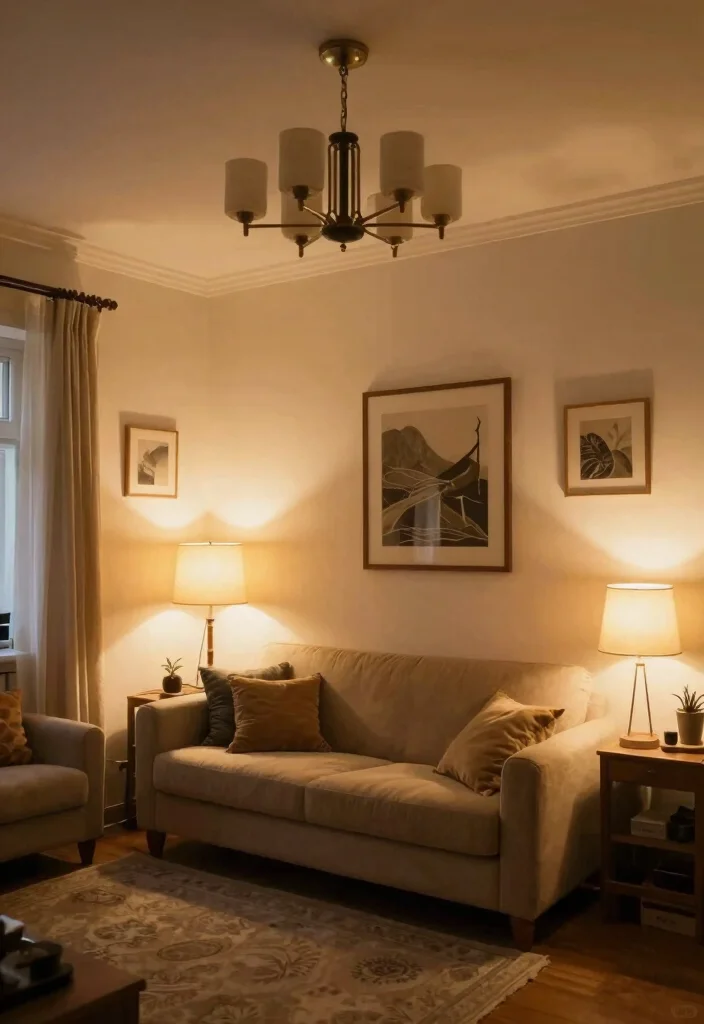
Good lighting transforms small spaces, creating depth and warmth while ensuring every corner of your living room is inviting. Layering different types of lighting can enhance functionality and ambiance, making your space feel cozy and well-lit.
For effective lighting design, combine ambient lighting like overhead fixtures with task lighting such as table lamps. Accent lights can highlight artwork or architectural details, while dimmers allow you to adjust the mood based on the time of day or activity.
Implement these lighting layers:
– Combine ambient lighting with task lamps for versatility.
– Use accent lights to showcase decor features.
– Install dimmers to adjust lighting based on mood.
This layered approach sets a welcoming atmosphere, making your living room a perfect retreat for relaxation and gatherings.
8. Floor-to-Ceiling Curtains
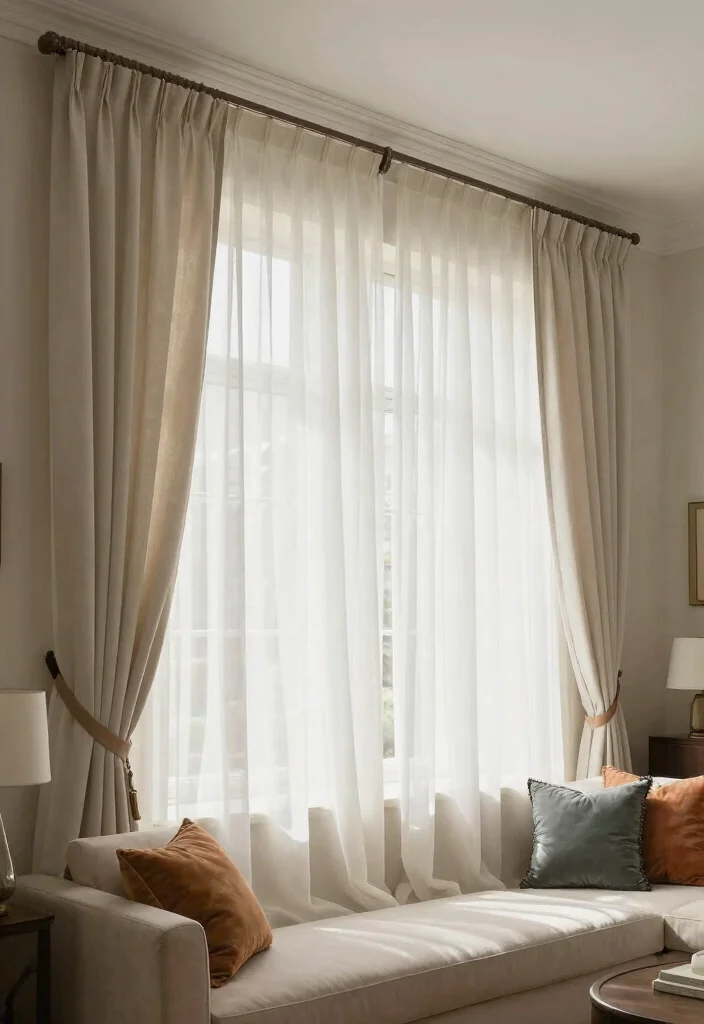
Floor-to-ceiling curtains create an illusion of height in your living room, making the space feel larger and more elegant. Choosing lighter fabrics allows natural light to filter through while maintaining a soft, inviting ambiance.
For maximum impact, hang your curtains close to the ceiling for a dramatic effect. Select colors that complement your walls for a cohesive look, and consider sheer materials for a breezy, airy feel that enhances openness.
Style your curtains with these tips:
– Hang curtains close to the ceiling for height.
– Choose colors that match your walls for cohesion.
– Opt for sheer fabrics for light filtration.
This simple addition elevates your decor, maximizing the visual height of your living area while maintaining a light and inviting atmosphere.
Floor-to-ceiling curtains instantly stretch a small living room, turning it into a taller, lighter extension. Hang them close to the ceiling and choose light fabrics for drama, then pick wall colors that blend with the curtains for an open, cohesive vibe.
9. Accent Walls for Depth
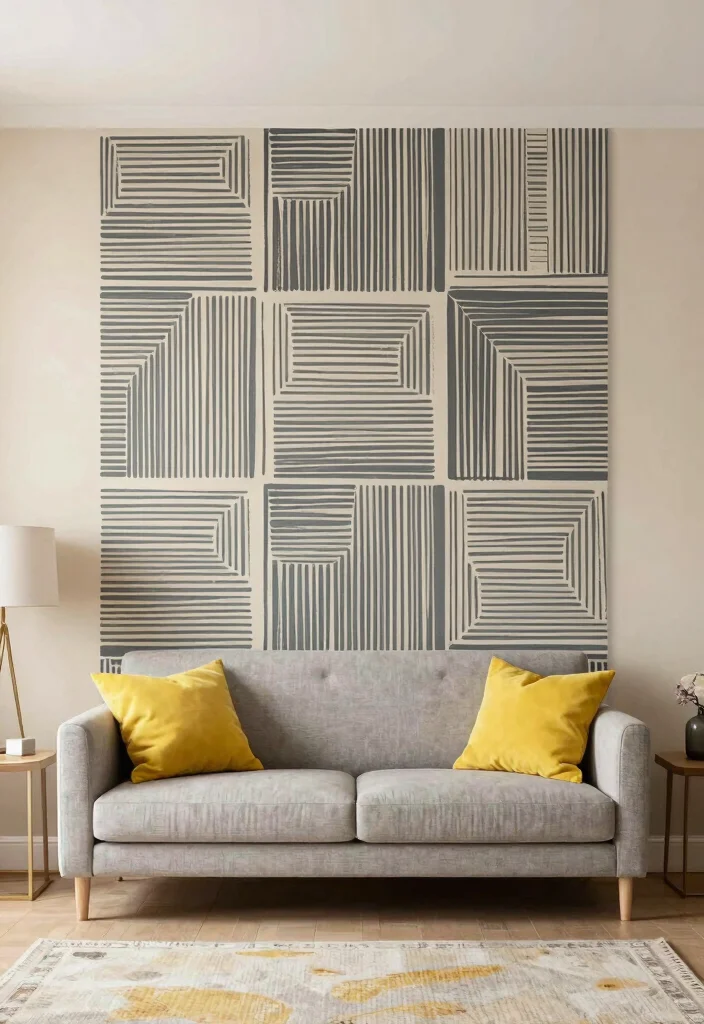
An accent wall adds personality to your living room without overwhelming the overall space. Whether you choose bold paint, textured wallpaper, or wood panels, an accent wall can introduce depth and visual interest.
For the best results, select a wall that naturally draws the eye, such as one behind a sofa. Geometric patterns can provide a modern flair, while floral designs create a cozy, inviting vibe. Surrounding walls should remain neutral to allow the accent wall to shine.
Try these accent wall ideas:
– Choose a focal wall to showcase design elements.
– Use geometric patterns for a contemporary look.
– Keep surrounding walls neutral to highlight the accent.
This technique personalizes your space and creates a captivating focal point that enhances your overall design.
Accent Walls for Depth
Editor’s Choice


10. Multi-Functional Spaces
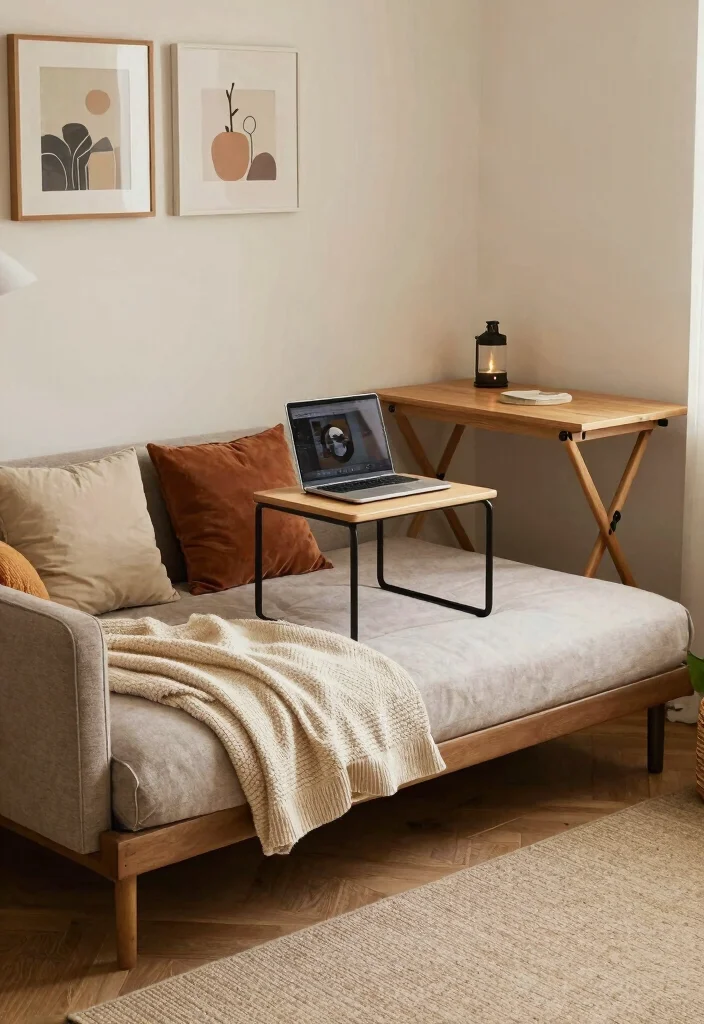
Creating multi-functional areas within your living room allows for varied activities without compromising space. For example, a small desk can be tucked into a corner, while a pull-out sofa can serve as a guest bed when needed.
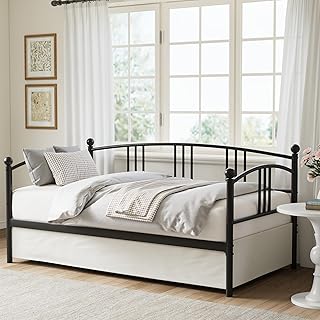
Consider incorporating these multi-functional ideas into your design. A daybed can work as a couch during the day and convert to a bed at night. A console table can double as a workspace, and a folding dining table can be stored away when not in use.
Explore these flexible solutions:
– Use a daybed that serves both as a couch and a bed.
– Integrate a console table for dual-purpose functionality.
– Choose a dining table that folds away when not in use.
This versatility allows you to maximize your living room while catering to a variety of activities, making the most of every inch.
Multi-Functional Spaces
Editor’s Choice



11. Greenery for Freshness
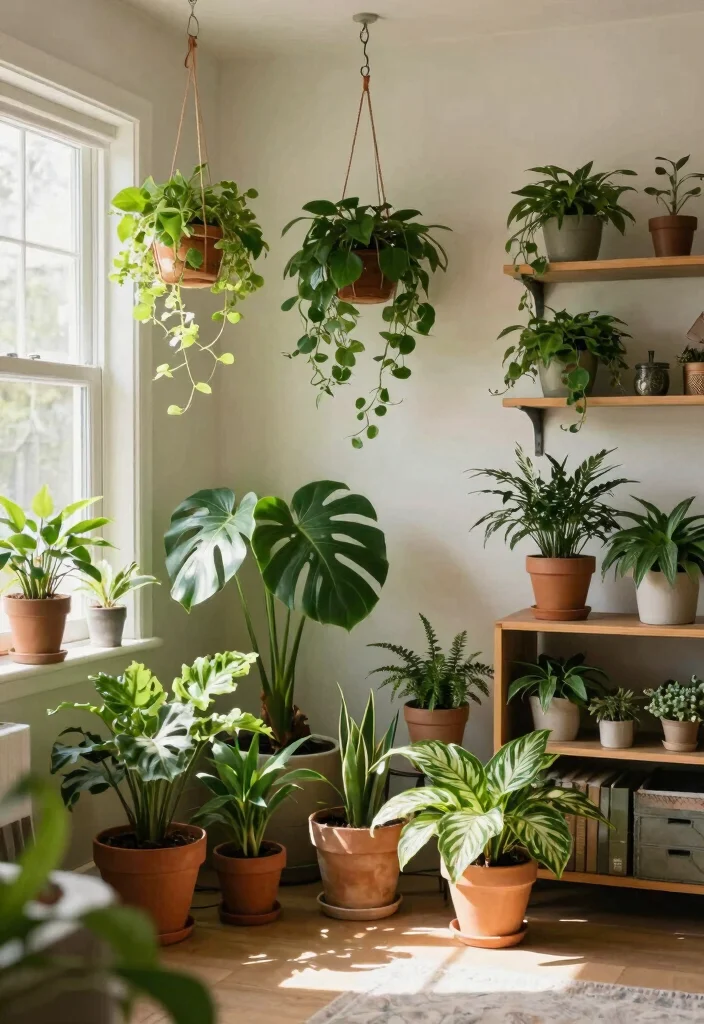
Incorporating plants into your living room enhances decor and contributes to better air quality, bringing freshness to the space. Choose indoor plants that thrive in your environment and complement your overall aesthetic for a lively touch.
For successful integration of greenery, opt for low-maintenance plants like snake plants or pothos that add a vibrant touch without requiring excessive care. Hanging planters can save floor space while grouping plants at varying heights adds visual interest.
Incorporate these greenery tips:
– Choose low-maintenance plants for easy upkeep.
– Use hanging planters to save valuable floor space.
– Group plants at different heights for dynamic appeal.
Adding greenery creates a welcoming environment that makes your living area feel fresh and inviting, infusing life into your design.
Greenery is a simple upgrade to any living room extension ideas—plants boost freshness and air quality. Choose low-maintenance favorites like snake plants or pothos, and hang planters to save floor space. Grouping plants at varying heights creates a lively, easy-care focal point.
12. Textured Elements
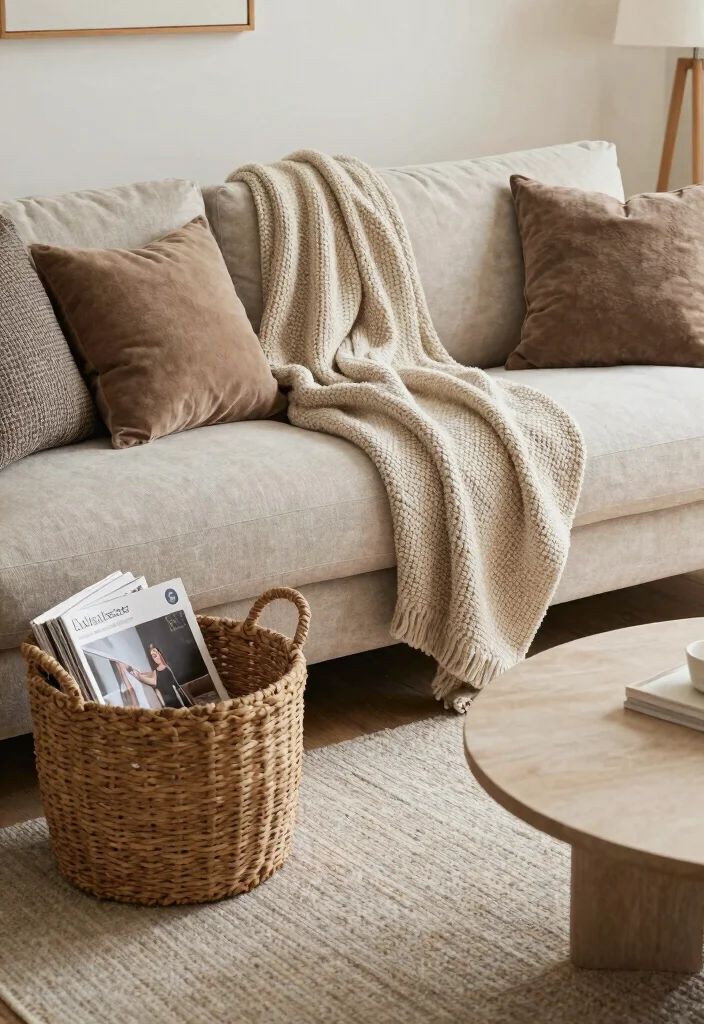
Incorporating various textures into your living room design adds warmth and visual interest. Mixing materials like wood, metal, textiles, and glass creates a layered aesthetic that feels inviting and dynamic.
To enhance your design with texture, consider using a chunky knit throw blanket on your sofa for coziness. Woven baskets can provide stylish storage while adding texture, and furniture pieces with different finishes can create depth and intrigue.
Explore these textured elements:
– Use a chunky knit throw for added warmth.
– Incorporate woven baskets for functional decor.
– Select furniture with varied finishes for depth.
Textures invite touch and create a more layered feel in your living room, ensuring it remains inviting and visually engaging.
Textured Elements
Editor’s Choice


13. Minimalist Approach
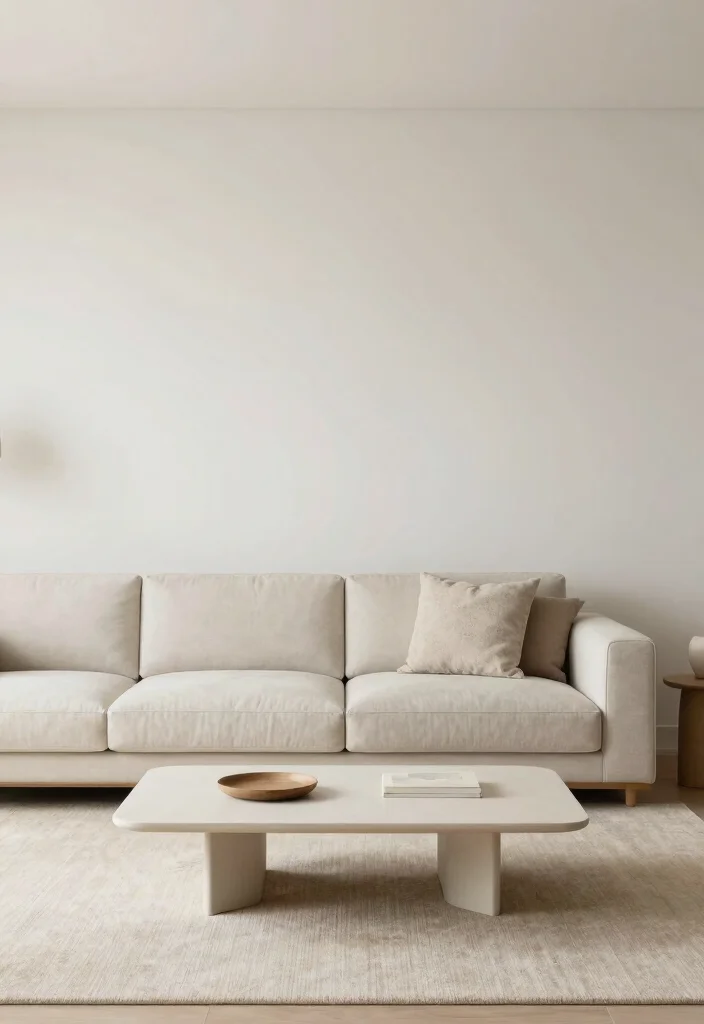
Adopting a minimalist approach can declutter your living room, resulting in an open and serene atmosphere. By focusing on a few impactful decor pieces, you create a clean and organized look that feels spacious and calming.
To achieve minimalist decor, choose simple furniture designs that don’t overwhelm the space and limit decorative items to essentials that spark joy. Sticking to a neutral color palette with one or two accent colors will further enhance the serene environment.
Implement these minimalist strategies:
– Choose simple furniture designs for a clean look.
– Limit decor to essentials that bring joy.
– Stick to a neutral palette with subtle accents.
This approach maximizes space while promoting a calming atmosphere that encourages relaxation and mindfulness.
Minimalist Approach
Editor’s Choice



14. Personal Touches
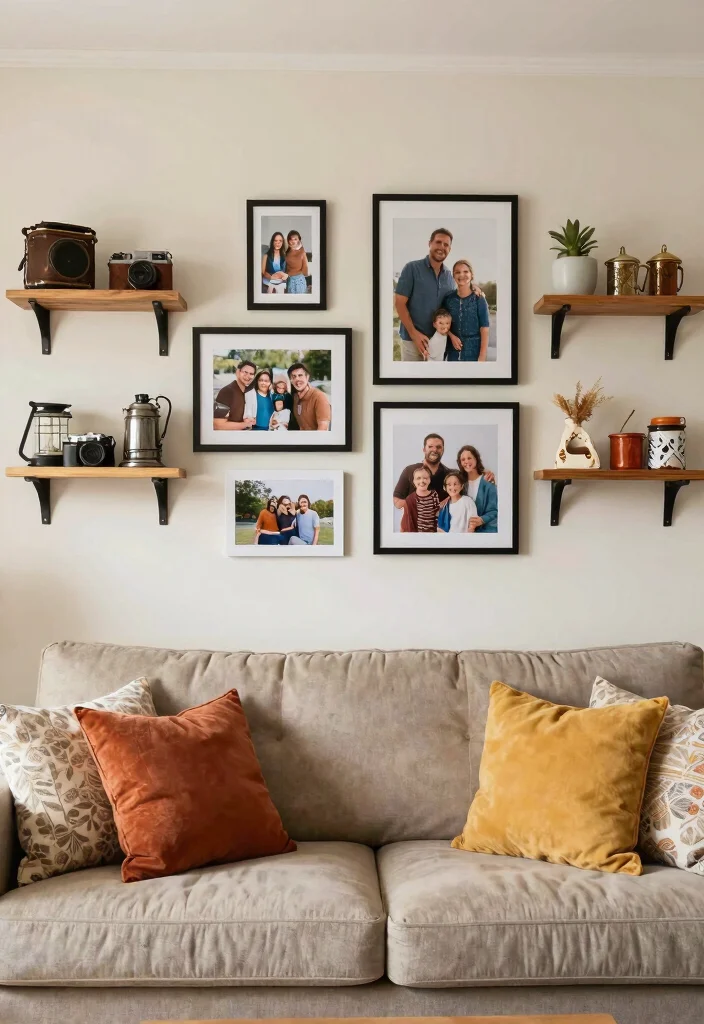
Infusing personal touches into your decor transforms your living room into a space that truly feels like home. Family photos, unique art pieces, and cherished mementos tell your story and create a warm atmosphere that resonates with love.
To add personal flair, consider creating a gallery wall featuring framed photos and art that reflect your journey. Display travel souvenirs or items that showcase your interests, and incorporate handmade crafts or DIY projects that resonate with you.
Try these personal touches:
– Create a gallery wall with framed photos and art.
– Display travel souvenirs that tell your story.
– Use handmade crafts to add unique character.
Personal touches not only enhance the beauty of your living area but also fill it with love and cherished memories, making it a truly special place.
Conclusion
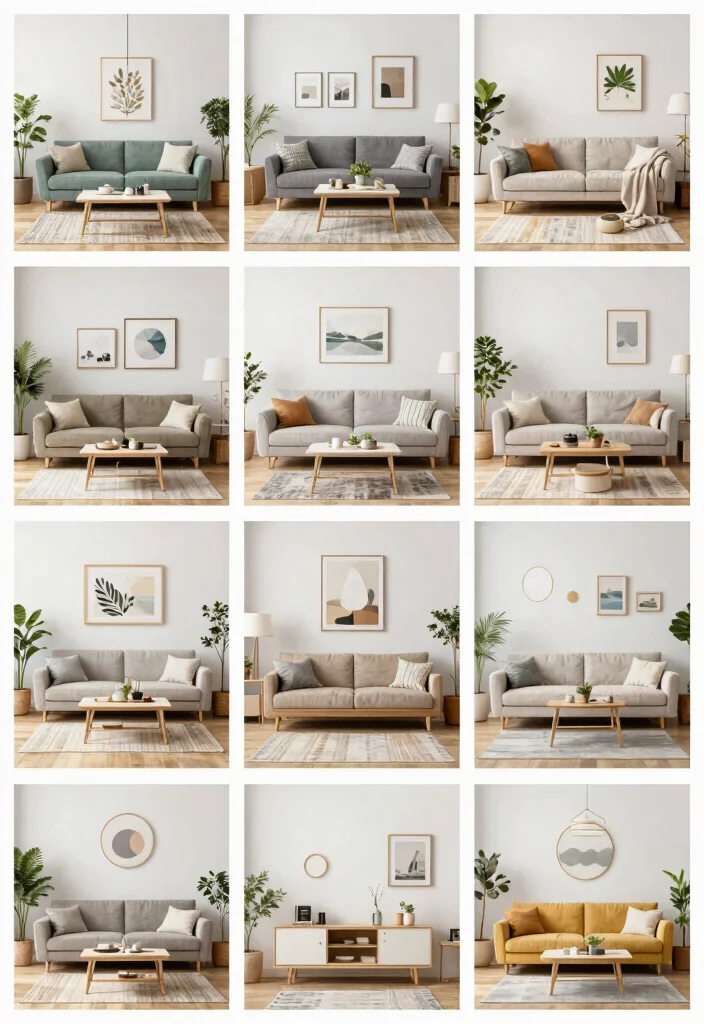
Expanding your living room space is all about creativity and clever design choices. With these 14 living room extension ideas, you can transform your small area into a stylish and functional haven.
Whether it’s through smart furniture, clever decor choices, or simply changing your layout, each tip offers a way to maximize your living room’s potential. Why not start implementing these ideas today?
Note: We aim to provide accurate product links, but some may occasionally expire or become unavailable. If this happens, please search directly on Amazon for the product or a suitable alternative.
This post contains Amazon affiliate links, meaning we may earn a small commission if you purchase through our links, at no extra cost to you.
Frequently Asked Questions
What are the most effective living room extension ideas for small spaces?
Think built-in seating, modular furniture, and vertical storage to gain square footage without crowding. Consider space-saving furniture like nesting coffee tables, ottomans with storage, and slim-profile sofas. Use wall-mounted shelves to keep surfaces clear and maximize vertical space. Light colors and mirrors help reflect light and create the impression of a larger room, while maintaining a cohesive look with living room extension ideas for small spaces.
How can I maximize space without sacrificing style in a living room extension?
Start with a simple floor plan that creates defined zones but keeps sightlines open. Choose space-saving furniture and multifunction pieces, like a coffee table with storage or a sofa bed, to reduce clutter. Opt for a light color palette and consistent finishes to widen the feel, and use strategic lighting to brighten corners. If possible, replace a bulky wall with a partial divider or glass to support an open concept living vibe, which helps with maximizing small spaces.
What role does open concept living play in extending a living room?
Open concept living keeps rooms flowing and light-filled, making a small living room feel bigger. Use cohesive flooring and color so transitions are seamless, and prefer low-profile furniture that doesn’t interrupt sightlines. A glass partition or shallow divider can separate zones without blocking light, supporting open concept living while helping with maximizing small spaces in your extension.
Which space-saving furniture and interior decorating tips work best for a small living room extension?
Go for space-saving furniture such as nesting tables, storage ottomans, wall-mounted desks, and floating shelves. Choose a slim sofa, tiered media console, and built-in storage benches to hide essentials. Decor-wise, keep clutter low, embrace vertical storage, and layer lighting (ambient, task, and accent). Mirrors and glossy surfaces reflect light and add depth, while consistent color and texture tie the room together with your interior decorating tips.
How should I plan a budget-friendly living room extension that adds noticeable space?
Begin with a prioritized plan: list must-haves, measure every piece, and draft a layout you can test with tape or cardboard templates. Focus on high-impact, low-cost changes like a new light scheme, decluttering, and space-saving furniture rearrangements. Reuse or refresh existing pieces, shop secondhand for price-friendly options, and introduce interior decorating tips like mirrors and light colors to create the sense of space. For structural changes, get quotes but only invest in what truly expands usable space, keeping the project within budget while achieving a noticeable improvement in living room extension ideas.