In today’s fast-paced world, cooking is so much more than just a chore; it’s an opportunity to express creativity and make nourishing meals. With so many people leaning towards eco-friendliness, I felt inspired to create a guide that dives into modern kitchen range ideas. This post is all about blending functionality with sustainability, helping you craft cooking zones that are both stylish and environmentally conscious.
If you are someone who loves modern kitchen design and seeks to create a more sustainable home, you’ll find this post particularly useful. From energy-efficient appliances to innovative layouts, these ideas cater to those who want to cook in spaces that reflect their values. Whether you’re doing a complete kitchen overhaul or just looking for a few new tips, this guide is for you.
By the end of this post, you will have a collection of 12 kitchen range ideas that are not only chic but also functional. You’ll learn about various solutions that will enhance your cooking experience while keeping the planet in mind. Let’s jump into these ideas and transform your cooking zone into an eco-friendly haven that you’ll love!
Key Takeaways
– Discover how to incorporate reclaimed wood in your kitchen range for a warm, rustic feel while being eco-friendly.
– Learn about induction cooking zones that offer quick cooking times and save energy, making them perfect for modern cooking spaces.
– Explore Energy Star rated appliances that help reduce your energy consumption without compromising on style or functionality.
– Get tips on creating biophilic design elements in your kitchen, bringing nature indoors and enhancing your cooking experience.
– Find practical solutions for integrated recycling systems and composting areas that promote sustainability in your kitchen setup.
1. Reclaimed Wood Kitchen Range
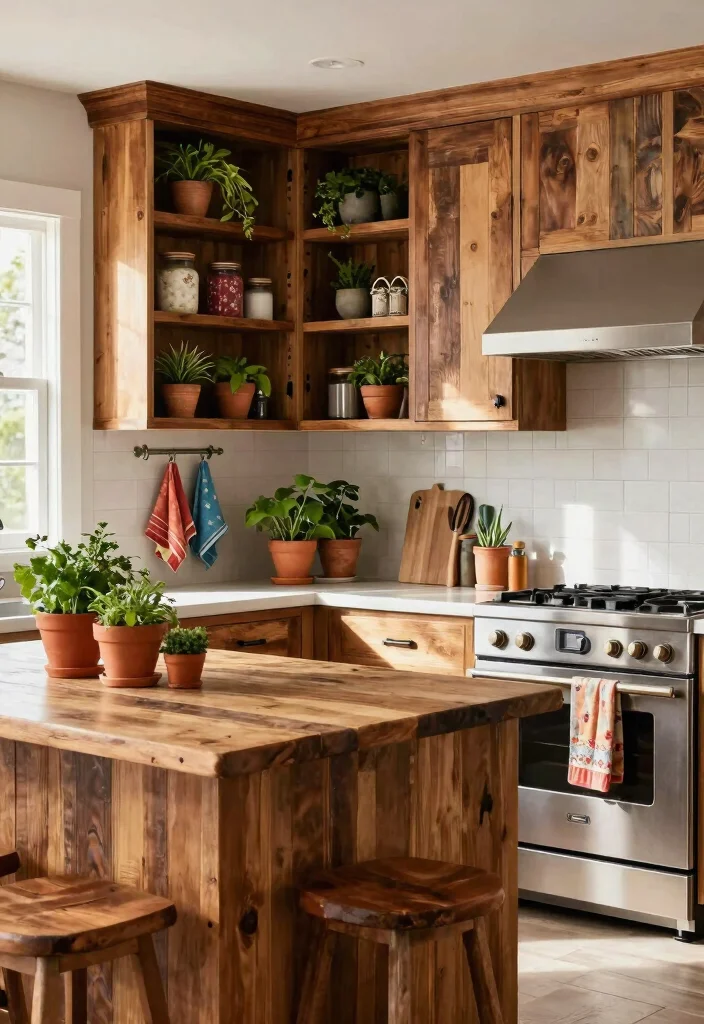
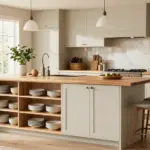
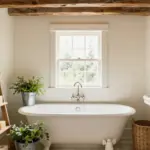
Are you dreaming of a kitchen that feels warm and inviting? A reclaimed wood kitchen range adds a rustic touch while promoting sustainability through the use of repurposed materials. Each piece crafted from old barns or buildings tells a unique story, making your kitchen truly one-of-a-kind. Pair it with open shelving to showcase your favorite kitchenware or plants, creating an inviting atmosphere where you love to cook.
Key Benefits:
– Eco-friendly choice by recycling old materials.
– Adds character and warmth to the kitchen design.
– Can be customized to fit your specific style.
Kitchen Organization Tips:
– Use baskets and bins on open shelves to keep items organized and easy to access.
– Hang pots and pans from a wooden rack for both practicality and decor.
Consider blending reclaimed wood with modern appliances for a striking contrast that elevates your cooking space.
2. Induction Cooking Zones
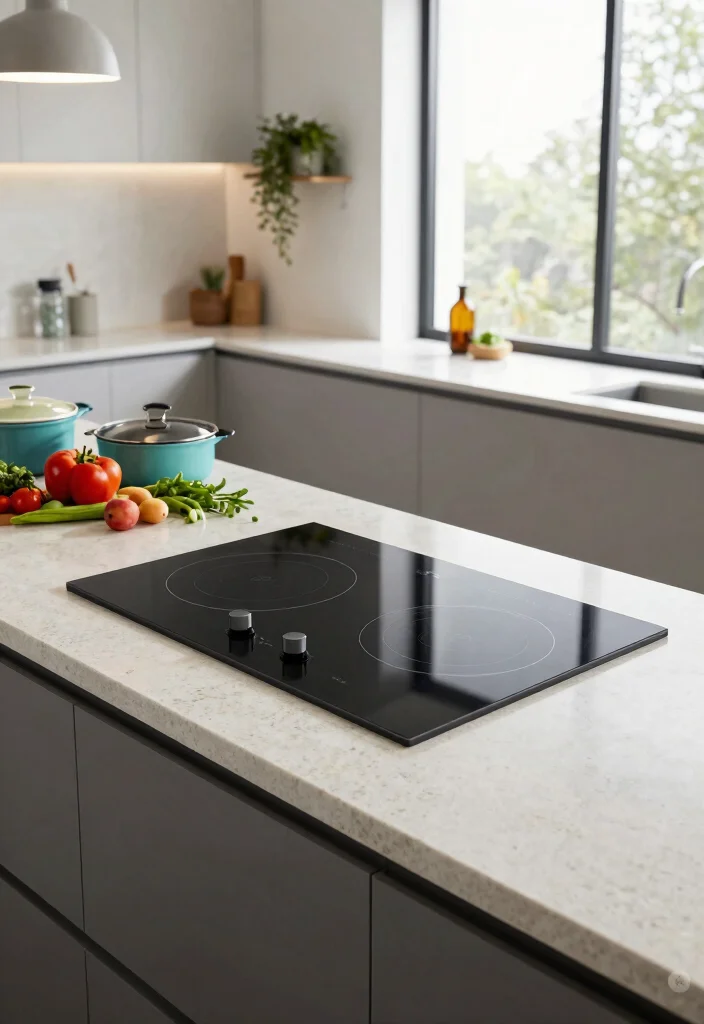
Craving a cooking method that’s efficient and stylish? Induction cooking zones offer quick heating and precise temperature control. This eco-friendly option utilizes electromagnetic energy, reducing energy waste while providing a safer cooking environment. A sleek induction cooktop integrates seamlessly into your kitchen design, allowing you to enjoy a minimalist aesthetic without sacrificing functionality.
Advantages:
– Cooks food faster and more evenly.
– Easier to clean than traditional gas or electric stovetops.
– Uses less energy, making it an eco-friendly choice.
Tips for Effective Use:
– Invest in high-quality cookware that’s induction-compatible for best results.
– Keep the surface clean to maintain efficiency.
Induction cooking is ideal for modern kitchens where style meets sustainability.
Induction Cooking Zones
Editor’s Choice




3. Energy Star Rated Appliances
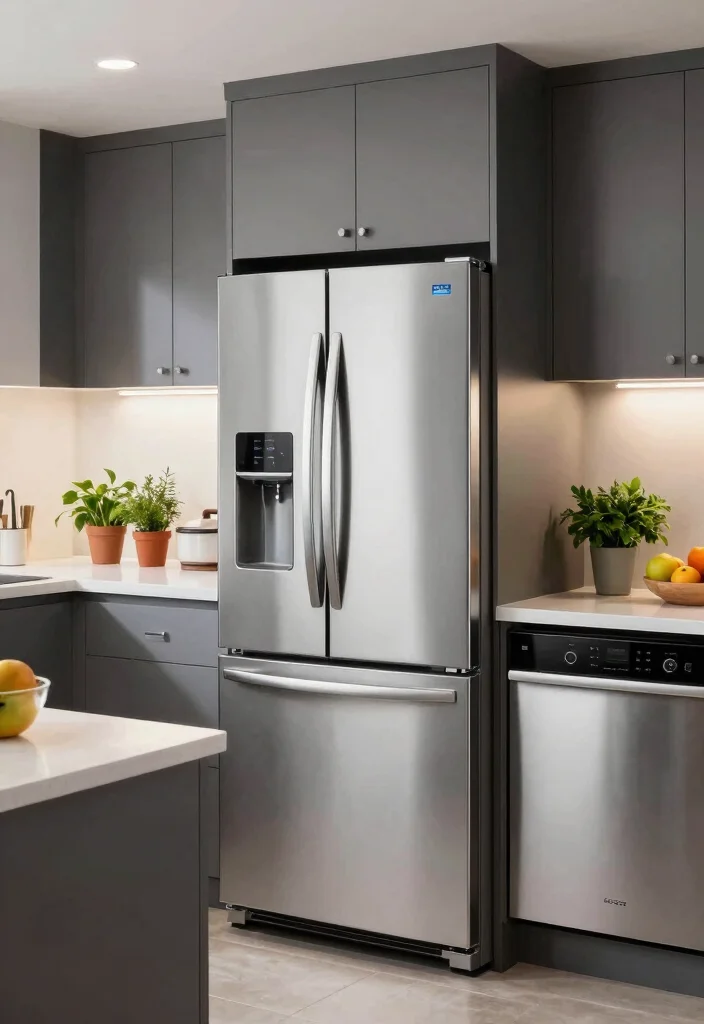
Looking to make your kitchen more sustainable? Incorporating Energy Star rated appliances is a smart choice. These appliances are designed to be energy-efficient, consuming less electricity while delivering top-notch performance. In today’s modern kitchen design, you can find stylish options that don’t compromise on efficiency.
Benefits:
– Lower energy bills thanks to reduced consumption.
– Supports eco-friendly practices and reduces your carbon footprint.
– Many stylish options to fit any kitchen theme.
Kitchen Organization Tips:
– Use magazines or online resources to discover the best energy-efficient models.
– Look for appliances that match in style for a cohesive kitchen look.
Investing in Energy Star appliances is essential for creating efficient kitchen layouts.
Energy Star Rated Appliances
Editor’s Choice



4. Smart Kitchen Ranges
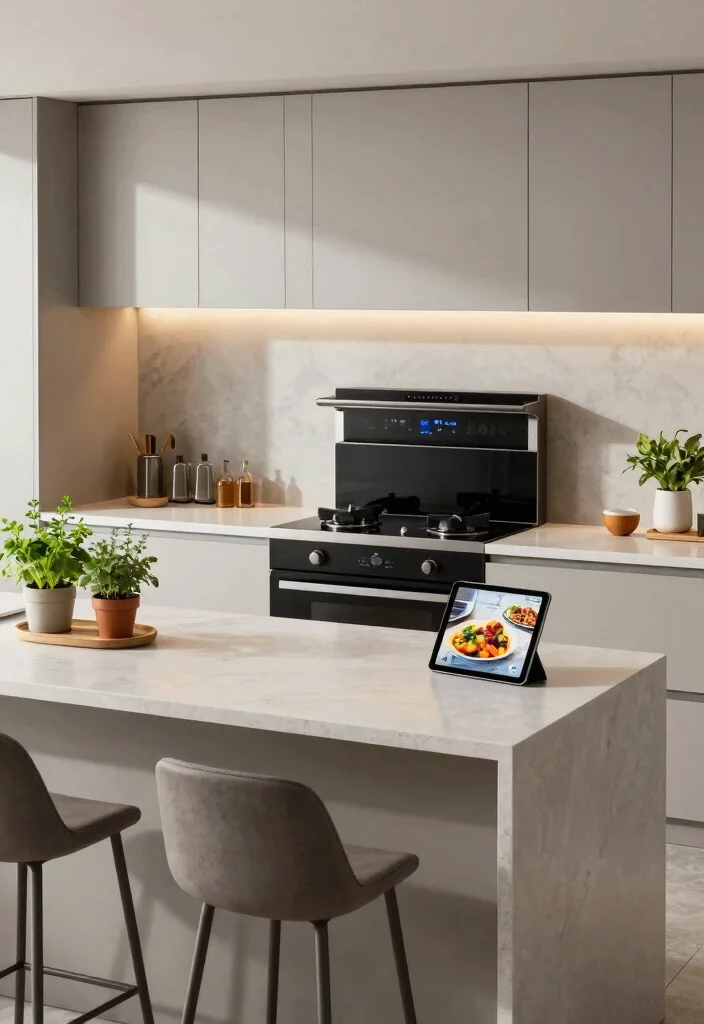
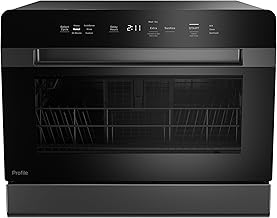
Are you ready to transform your cooking experience? Smart kitchen ranges are changing how we cook and organize our kitchens. Equipped with advanced technology, these appliances allow you to monitor and control your cooking from your smartphone. Imagine adjusting heat settings while multitasking in another room or receiving meal reminders directly to your device.
Features to Look For:
– Wi-Fi connectivity for remote access.
– Energy monitoring to track consumption.
– Voice control for hands-free operation.
Tips for Integration:
– Ensure your home Wi-Fi is strong enough to support smart appliances.
– Familiarize yourself with the app or system for optimal use.
Smart ranges enhance efficiency while adding a modern allure to your cooking space.
Did you know smart kitchen ranges are one of the best kitchen range ideas and can cut energy use by up to 20% thanks to energy monitoring and auto-off features? Real-time notifications ping you to adjust heat, helping you finish meals faster with less guesswork.
Smart Kitchen Ranges
Editor’s Choice


5. Minimalist Kitchen Designs
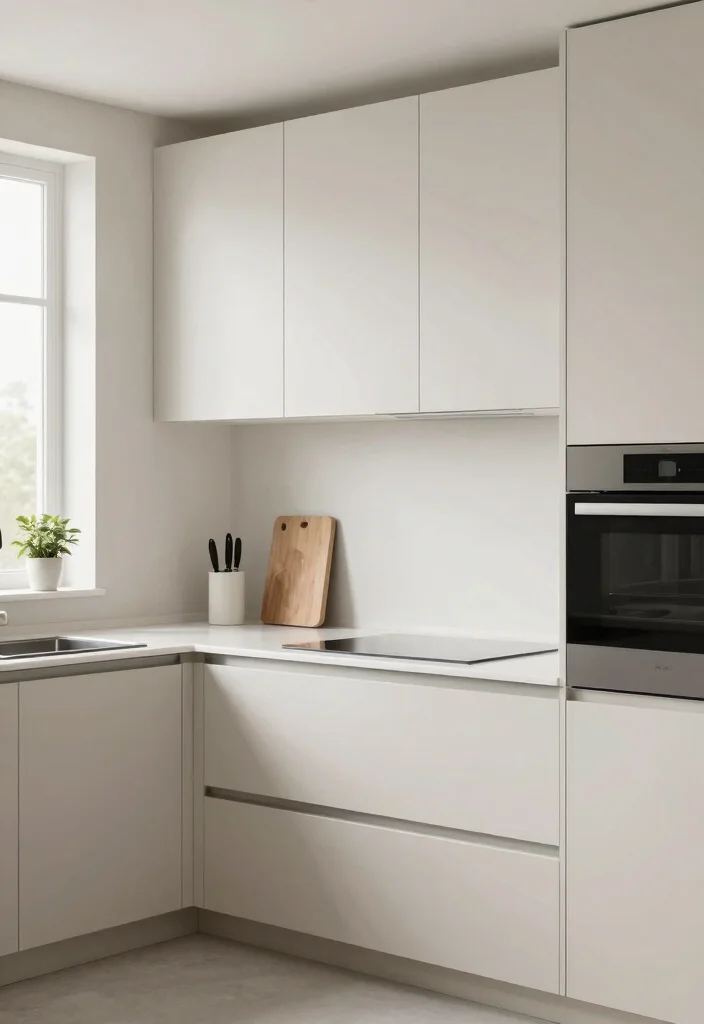
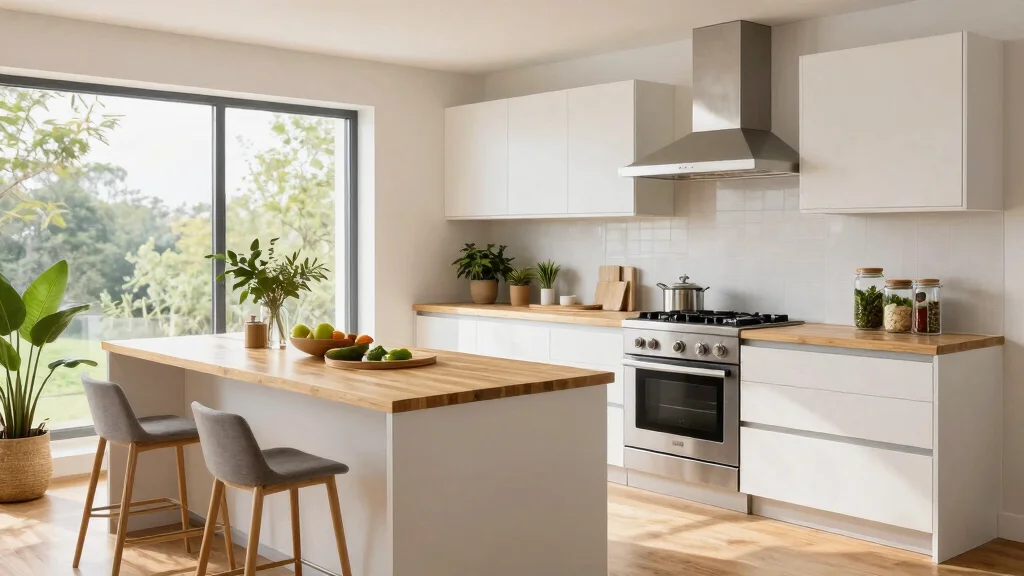
Want to create a serene cooking environment? Minimalist kitchen designs focus on functionality while maintaining aesthetic simplicity. With clean lines and uncluttered spaces, minimalism not only looks great but also promotes sustainability by cutting down on unnecessary consumption and waste. Incorporating a minimalist kitchen range fosters a calm atmosphere, perfect for culinary creativity.
Benefits:
– Easier to clean and maintain.
– Promotes mindfulness and calm in cooking.
– Can feature multifunctional appliances to save space.
Organization Tips:
– Choose hidden storage solutions to keep surfaces tidy.
– Invest in quality over quantity for utensils and appliances.
Minimalism in kitchen design isn’t just a trend; it’s a lifestyle choice that encourages sustainable living.
Did you know a minimalist kitchen can cut cleaning time by up to 40%? Fewer items mean less clutter, less waste, and more focus for practicing kitchen range ideas that stay simple—and sustainable.
6. Eco-Friendly Countertops
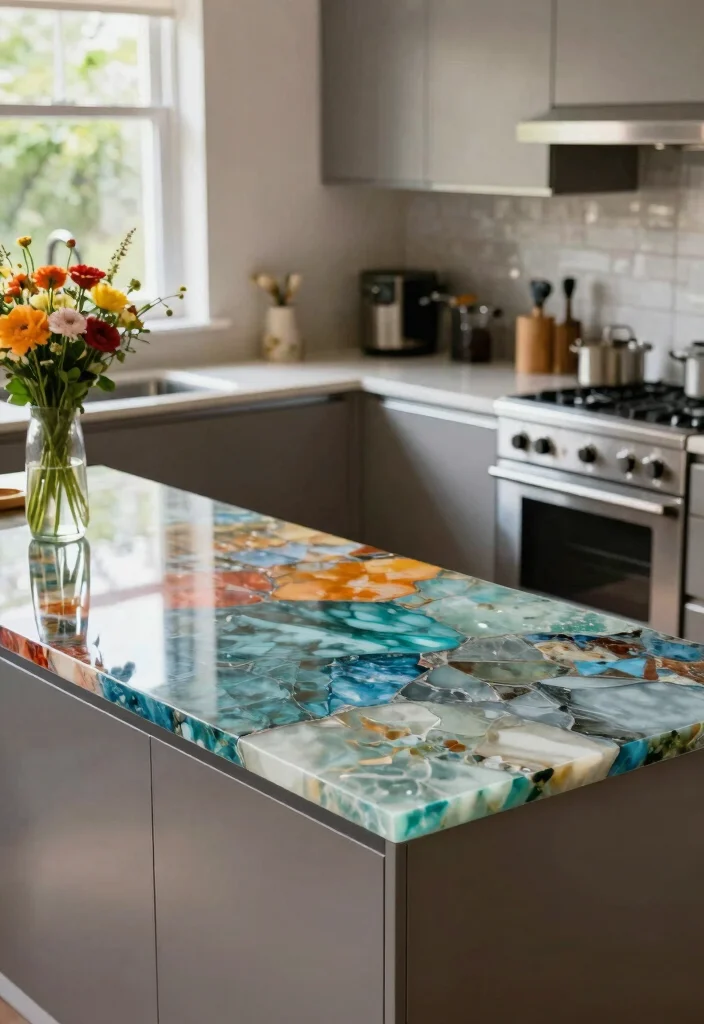
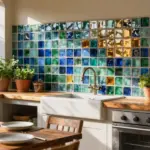
Are you looking to elevate your kitchen’s sustainability? Countertops made from sustainable materials like recycled glass, bamboo, or concrete can significantly enhance your kitchen’s eco-friendliness. These materials not only look stunning but are also durable and easy to maintain. Choosing eco-friendly countertops provides a unique design element while supporting a sustainable lifestyle.
Materials to Consider:
– Recycled glass for a colorful, modern look.
– Bamboo for its rapid renewability and strength.
– Reclaimed wood for unmatched character and warmth.
Tips for Selection:
– Always check for certifications to ensure sustainability claims.
– Consider how the material pairs with other elements in your kitchen for a cohesive look.
Eco-friendly countertops represent a stylish and modern culinary environment.
7. Multi-Functional Cooking Zones
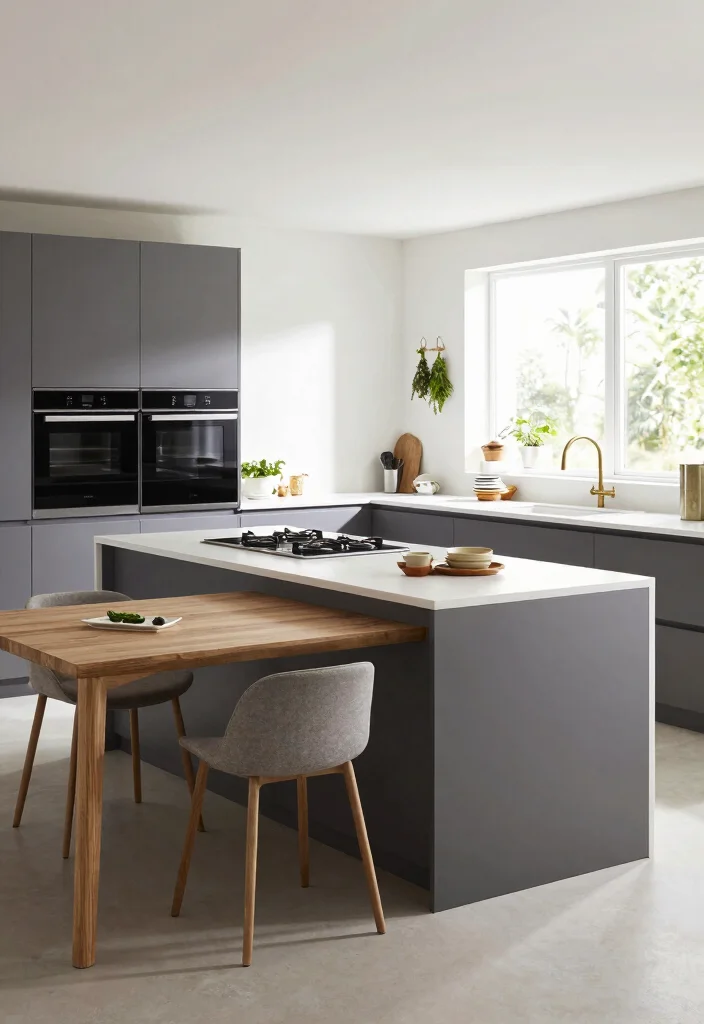
Want to maximize your kitchen’s potential? Creating multi-functional cooking zones allows for greater versatility while optimizing space. Think about integrating features like a cooking island that doubles as a dining area or a prep station with a built-in cutting board. The flexibility of these zones enhances your kitchen’s efficiency and enjoyment.
Ideas for Zones:
– A portable island that can be moved as needed for extra counter space.
– Built-in appliances that save space while providing functionality, like a microwave drawer.
Kitchen Organization Tips:
– Use rolling carts for easy movement and storage solutions.
– Designate specific areas for cooking, preparation, and dining to keep things organized.
Multi-functional cooking zones provide the perfect balance of functionality and style in any contemporary kitchen.
8. Biophilic Design Elements
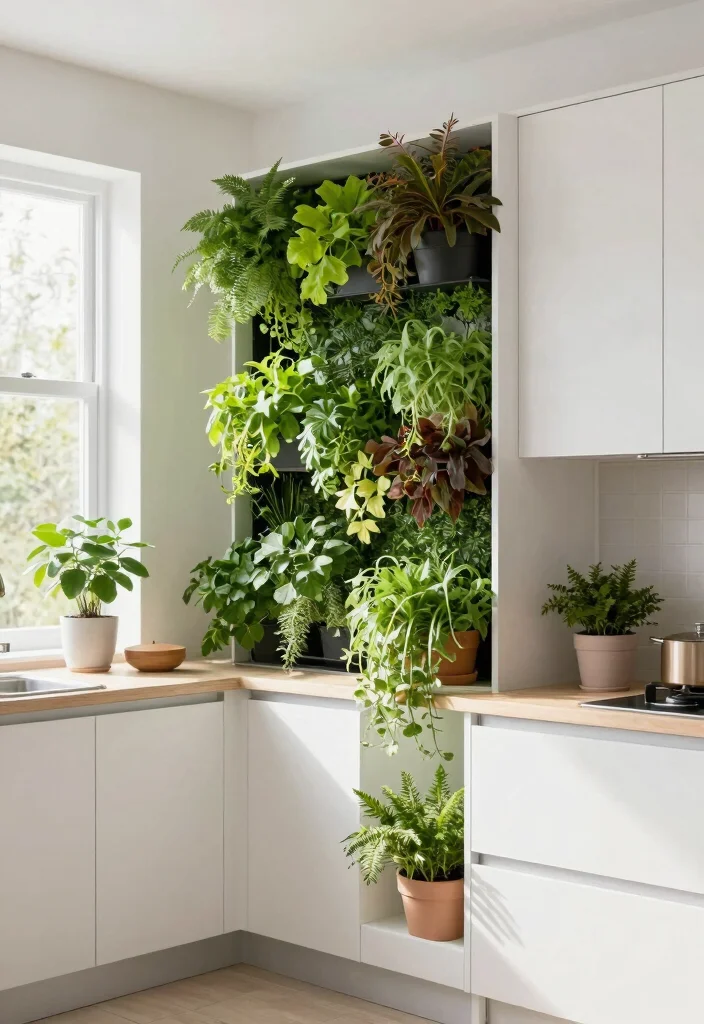
Ready to bring the outdoors in? Biophilic design focuses on incorporating nature into your kitchen, enhancing both aesthetics and well-being. Adding plants to your cooking zone not only purifies the air but also introduces vibrant color and life. Think about using vertical gardens or herb walls to create a stunning focal point while promoting sustainability.
Benefits of Biophilic Design:
– Improved air quality and mood enhancement through greenery.
– Natural light and materials create a calming environment.
– Encourages connection with nature even in urban settings.
Tips for Implementation:
– Use pots that match your kitchen decor for a cohesive look.
– Choose low-maintenance plants like succulents or culinary herbs for practicality.
Biophilic elements in your kitchen help create a refreshing and vibrant cooking atmosphere.
Biophilic Design Elements
Editor’s Choice


9. Stylish Upcycled Materials
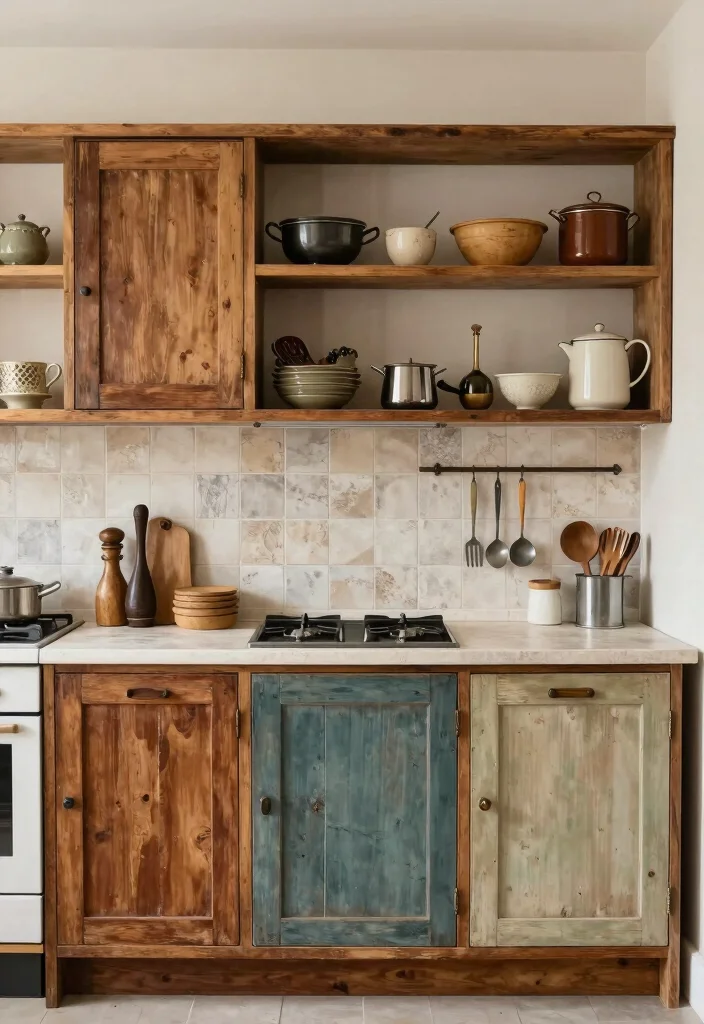
Are you keen on creating a unique kitchen aesthetic? Using upcycled materials in your kitchen range not only helps reduce waste but also adds character to your space. Consider using materials like old doors for cabinetry or reclaimed tiles for backsplashes. Each element can tell a story, creating a charming and personalized cooking zone.
Benefits:
– Unique aesthetic that stands out.
– Supports sustainable practices by reducing waste.
– Often more affordable compared to new materials.
Tips for Finding Materials:
– Check out local salvage yards or online marketplaces for treasures.
– Be creative and think outside the box to incorporate different textures.
Upcycled materials can transform your kitchen into an eco-friendly haven with style.
Key Trade-offs & Our Top Pick
Option 1: Reclaimed Wood Kitchen Range
– Pros:
– Eco-friendly choice using sustainable materials ✔
– Unique aesthetics that add warmth and character to your kitchen 💡
– Cons:
– May require more maintenance to keep it looking fresh
– Higher upfront cost compared to conventional materials
– Best for: Homeowners wanting a rustic yet stylish kitchen that tells a story.
Option 2: Induction Cooking Zones
– Pros:
– Fast cooking times, heating up quickly ⏱
– Energy-efficient, using less energy than traditional gas or electric ranges
– Cons:
– Requires compatible cookware, which can be an added expense
– Some users find the controls less intuitive than other types
– Best for: Busy cooks who prioritize speed and efficiency in meal prep.
Option 3: Smart Kitchen Ranges
– Pros:
– Remote control options for convenience, allowing you to preheat from your smartphone 🚀
– Built-in safety features like automatic shut-off to prevent accidents
– Cons:
– Potential connectivity issues if your Wi-Fi is unstable
– Higher price point compared to traditional ranges
– Best for: Tech-savvy individuals who appreciate convenience and modern features.
Option 4: Energy Star Rated Appliances
– Pros:
– Significant savings on energy bills over time
– Environmentally friendly, helping reduce carbon footprint ✔
– Cons:
– Initial costs can be higher, leading some to hesitate
– Limited styles or designs compared to non-rated appliances
– Best for: Eco-conscious homeowners looking to save money in the long run.
Option 5: Multi-Functional Cooking Zones
– Pros:
– Space-saving designs ideal for small kitchens
– Versatile use—cooks can bake, broil, and grill all in one area 💡
– Cons:
– May not perform as well as dedicated appliances for specific tasks
– Users might feel overwhelmed with multiple functions to learn
– Best for: Those with limited kitchen space who want maximum functionality.
Best Overall: Induction Cooking Zones
This is our top pick for most people because it balances efficiency and environmental concerns. You’ll enjoy quick cooking times while using less energy compared to traditional methods. Plus, it’s easy to clean—just wipe the surface after cooking. Induction zones are a great way to modernize your kitchen while ensuring safety with minimal risks associated with flames or hot surfaces.
Why We Picked This:
While induction cooking zones are the best overall choice, some might prefer reclaimed wood for its charm or energy-efficient appliances for long-term savings. It all comes down to your specific needs and preferences. Whether you’re focused on style, speed, or sustainability, there’s a kitchen range option perfect for your cooking zone.
10. Sustainable Lighting Solutions
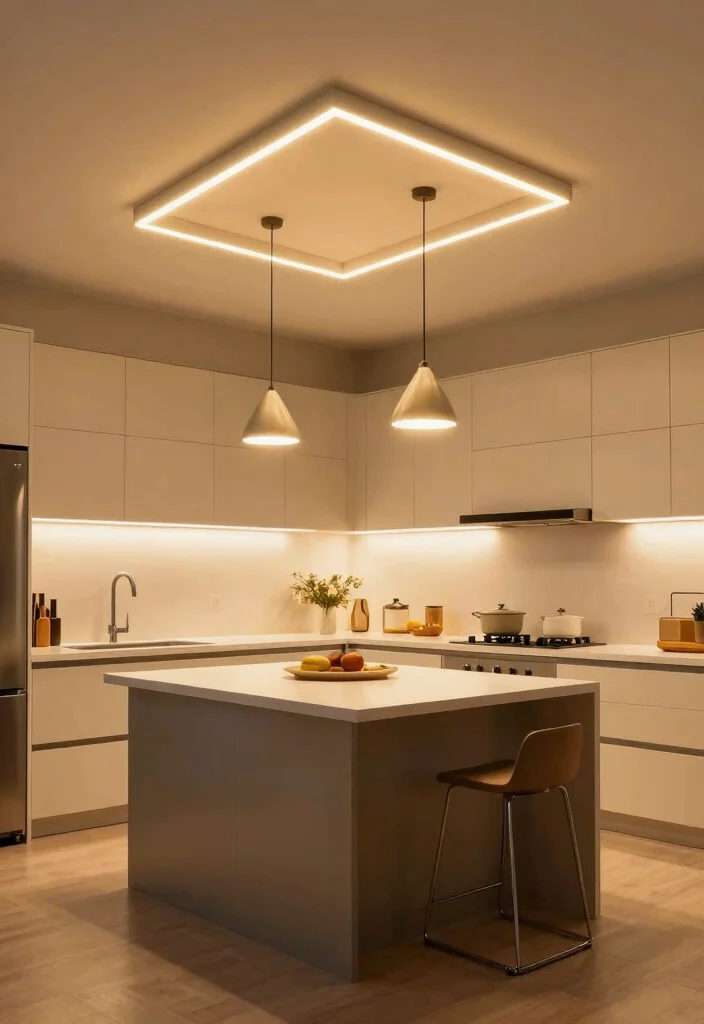
Looking to brighten up your kitchen sustainably? Lighting plays a crucial role in kitchen design, influencing both ambiance and functionality. Using energy-efficient LED lights or solar-powered options can significantly reduce energy consumption while providing effective illumination. Plus, stylish fixtures can enhance the overall aesthetic of your kitchen.
Benefits:
– Long-lasting and lower energy bills with LED fixtures.
– Environmentally friendly options that reduce carbon footprint.
– Enhances the mood and usability of the space.
Tips for Selection:
– Choose dimmable fixtures for adjustable lighting.
– Consider pendant lights over islands or dining areas to create focus.
Sustainable lighting not only benefits the planet but also adds a modern touch to your kitchen design.
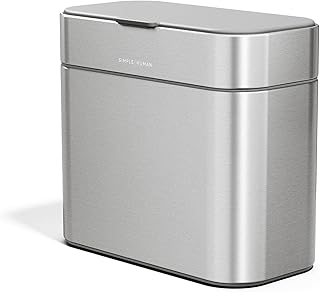
11. Composting Areas
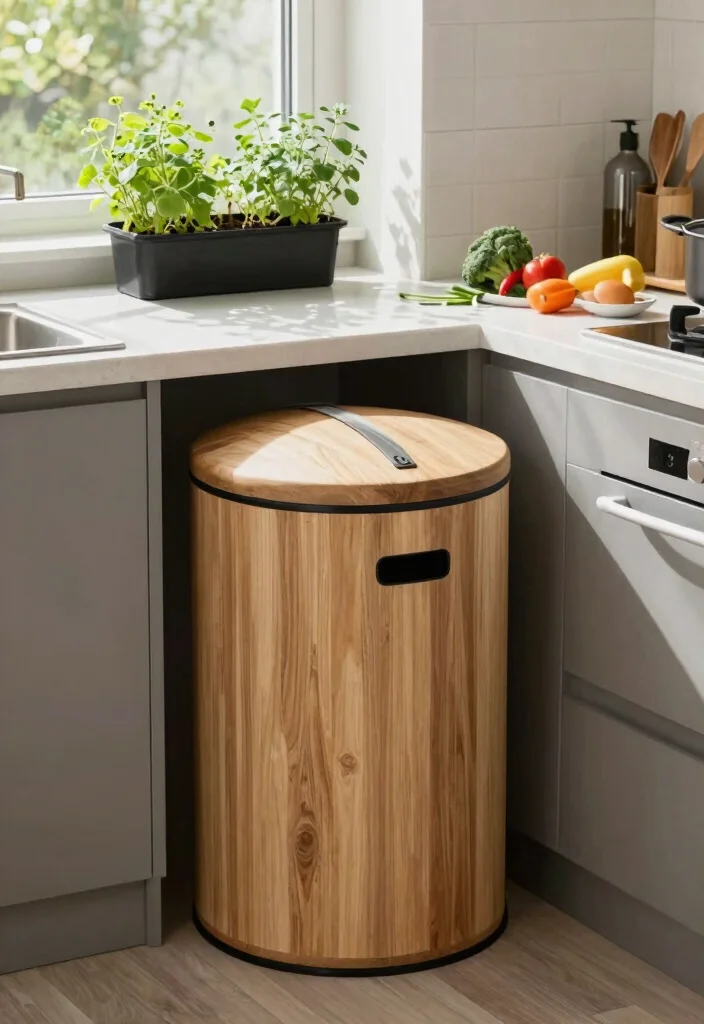
Want to make a positive impact on waste management? Incorporating a designated composting area in your kitchen promotes sustainable practices and reduces your carbon footprint. Stylish compost bins that blend in with your kitchen decor can encourage you to be more mindful of food waste. This small change can lead to significant environmental benefits.
Benefits:
– Reduces landfill waste while enriching your garden soil.
– Encourages conscious cooking and meal planning.
– Can be a functional yet decorative element in your kitchen.
Tips for Implementation:
– Choose a compost bin that is easy to clean and has good ventilation.
– Place the bin in a convenient spot for easy access while cooking.
Creating a composting area is a rewarding and eco-friendly addition to your modern kitchen.
Did you know a small composting area can cut kitchen waste by up to 30%? Sustainable bins that blend with your kitchen range ideas make eco-friendly cooking feel effortless. Start today, and watch your waste shrink and your garden smile.
Composting Areas
Editor’s Choice



12. Integrated Recycling Solutions
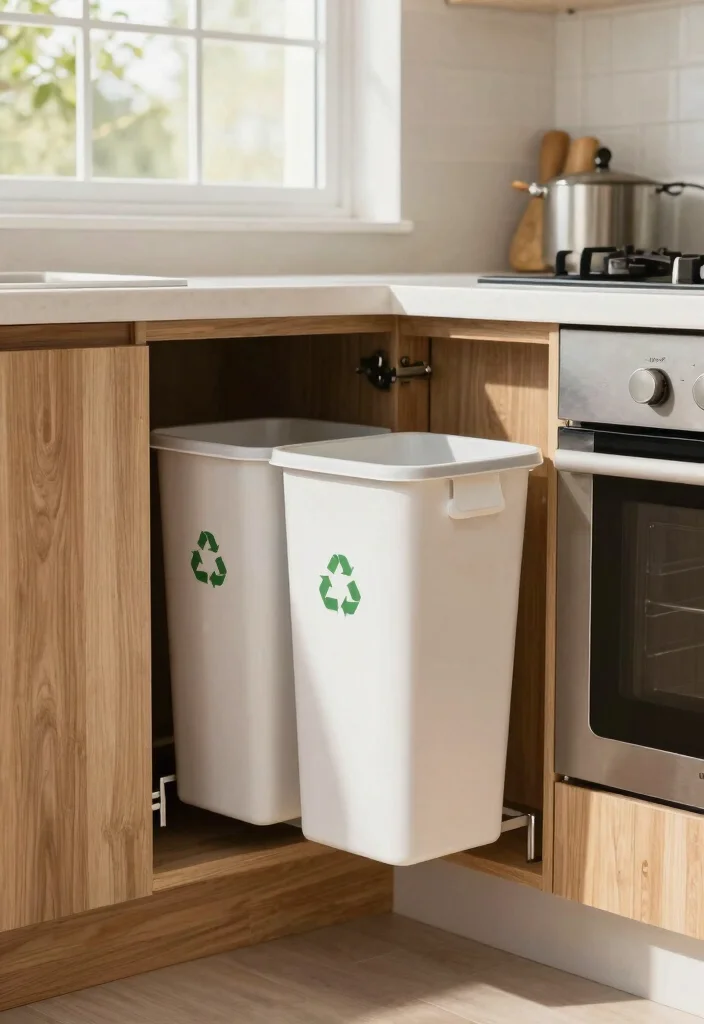
Are you focused on enhancing sustainability in your kitchen? Adding integrated recycling solutions emphasizes eco-friendliness and helps organize waste management. Consider installing pull-out bins in your cabinetry for easy sorting of recyclables. This practical approach keeps your kitchen tidy while promoting eco-friendly habits.
Benefits:
– Simplifies the recycling process, making it more likely to be followed.
– Keeps waste hidden and organized for a clean look.
– Enhances the overall efficiency of your kitchen layout.
Tips for Implementation:
– Label bins for easy identification of materials.
– Choose bins that fit seamlessly into your cabinetry design.
Integrated recycling solutions are vital for creating a sustainable kitchen that supports eco-friendly living.
Conclusion
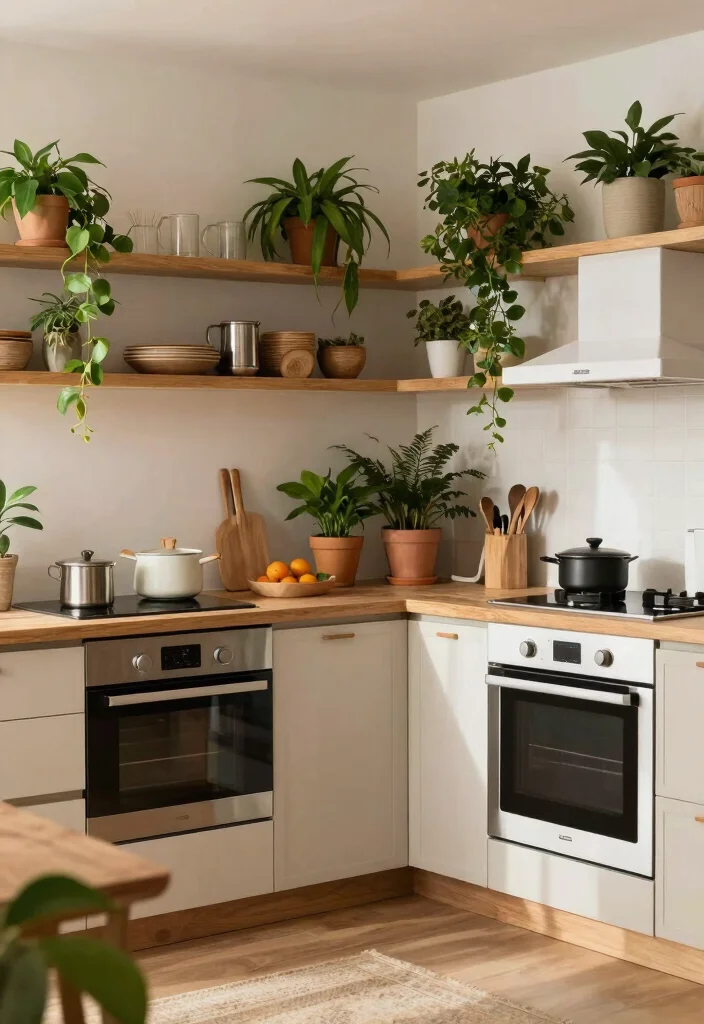
Creating a sustainable kitchen is a journey filled with exciting possibilities that blend style and eco-consciousness.
From beautiful reclaimed materials to energy-efficient appliances, each choice contributes to a healthier planet and a more enjoyable cooking experience.
Explore these kitchen range ideas to inspire your own eco-friendly culinary space and make a positive impact in your home and beyond.
Note: We aim to provide accurate product links, but some may occasionally expire or become unavailable. If this happens, please search directly on Amazon for the product or a suitable alternative.
This post contains Amazon affiliate links, meaning we may earn a small commission if you purchase through our links, at no extra cost to you.
Frequently Asked Questions
What are the most practical kitchen range ideas for creating a sustainable, modern cooking zone?
Start with energy‑efficient basics like an induction cooktop and convection oven, plus a ventilation hood sized for your space. Plan your zone layout around a clean, efficient work triangle and dedicated prep, cooking, and cleanup areas to boost efficient kitchen layouts. Choose durable, recyclable materials for counters and cabinetry, and integrate smart controls to monitor energy use. Finally, select stylish kitchen appliances that balance aesthetics with function to keep your space beautiful and green.
How can I organize a contemporary cooking space to maximize efficiency and reduce waste?
Set up dedicated zones for prep, cooking, cleaning, and waste to create smooth workflows. Use drawer dividers, pull-out pantry organizers, and vertical storage so everything has a home—the essence of kitchen organization tips. Place labeled recycling and compost stations near the prep area to reduce waste, and opt for a pull-out trash/recycling combo to keep counters clear. Add hidden power strips and a compact charging station to minimize cord clutter while keeping stylish kitchen appliances accessible.
What are stylish kitchen appliances that stay eco-friendly in a modern kitchen?
Opt for induction cooktops, ENERGY STAR ovens, and refrigerators with high efficiency ratings. Stylish kitchen appliances can be compact and sleek—look for models with modular widths, smart controls, and long lifespans. Pair these with energy-saving LED lighting and a smart range hood that adjusts to your cooking intensity. This combo keeps your space looking contemporary while cutting energy use. Choose appliances that are easy to service to extend their life and reduce waste.
How can I design modular cooking zones to suit different tasks in a small or large kitchen?
Define separate zones for prep, cooking, cleaning, and storage, and arrange them in a logical sequence that mirrors your flow. Place the sink between prep and cleanup for easy transitions. Position the range with a properly sized ventilation hood and nearby utensil drawers for quick access. In smaller spaces, use a movable island or fold-out table to create flexible cooking zones; in larger spaces, consider dedicated zones for baking or coffee stations. Choose efficient kitchen layouts that minimize steps and maximize natural light.
What are common mistakes to avoid when implementing modern kitchen design with sustainability in mind?
Avoid clutter by starting with a clear plan that matches your space and budget. Common mistakes include underestimating ventilation needs, overloading the space with trend-driven but inefficient kitchen range ideas, and skimping on proper waste separation. Don’t ignore the waste system—set up compost, recycling, and landfill stations near prep areas. Check the appliance lifecycle and warranties; prioritize repairability over cheap upgrades. Finally, test the layout in real life by mapping a typical cooking flow before committing to every installation.